
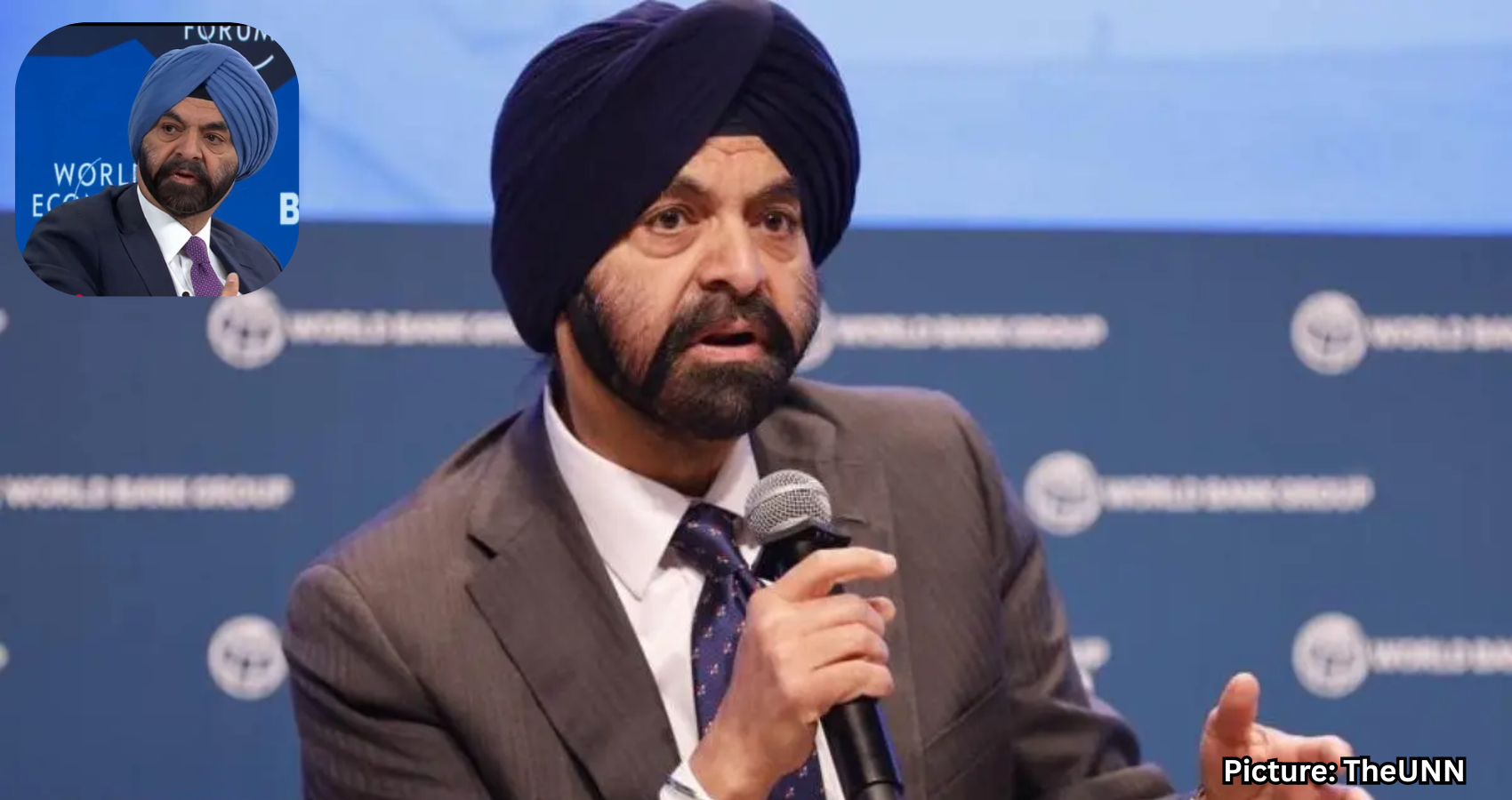
World Bank President Ajay Banga believes India can surpass its current growth trajectory of 7-8%, citing strong services, exports, and sustained investment as key factors.
ASHEVILLE, N.C. – World Bank President Ajay Banga has expressed optimism about India’s economic growth, suggesting that the country has the potential to exceed its current trajectory of 7-8 percent. Speaking on the sidelines of the G20 Finance Ministers’ meeting, Banga highlighted the strength of India’s services sector, robust export performance, and sustained investment as indicators of a resilient economy.
“India is now delivering regularly seven to 8 percent growth, that’s pretty good. And I think there’s opportunity to go even beyond that,” Banga stated, emphasizing the positive trends reflected in the latest growth figures.
He pointed out that within the 7.8 percent growth rate, there is significant progress in services and exports, alongside a steady level of investment. “I think this is a pretty robust performance that India has shown,” he added.
Banga stressed the importance of focusing on long-term economic growth that translates into job creation and opportunities for the youth. “I think there’s a great opportunity for India to keep building through its private sector investments and growth of that and growth in jobs,” he said. “You need to convert all this into the opportunity and hopes and aspirations of young people.”
To generate employment, Banga outlined three critical pillars: the development of physical and human infrastructure, regulatory reform, and the mobilization of private capital. He noted that India is making substantial progress in areas such as roads, bridges, airports, power, water, and digitization, but emphasized that further advancements are necessary in education, skills development, and healthcare.
“I think the whole skilling and education ecosystem in India needs to be tuned even closer to where the jobs are going to come from in the future and what the private sector would want to do with you,” he remarked.
On the topic of regulatory reform, Banga referenced recent changes to labor laws approved by the central government, stating that the impact of these reforms would depend on their implementation at the state level. “It needs to get implemented state by state for the change to be seen at the ground level, but it’s great progress over where we were a few years ago,” he noted.
Banga emphasized that private investment is crucial for expanding employment opportunities. “Jobs are created in the private sector. Government enables and the private sector creates,” he explained, highlighting the role of micro, small, and medium-sized enterprises (MSMEs) in this effort.
He identified several sectors with the potential to generate significant employment, including infrastructure, agriculture, primary healthcare, tourism, and value-added manufacturing. Banga also pointed out India’s strengths in minerals, metals, and fashion as areas ripe for growth.
In discussions with Finance Minister Nirmala Sitharaman, Banga addressed the potential for tourism and opportunities for MSMEs. He also mentioned the World Bank’s swift response to support Indian businesses during recent crises, particularly following the war in Iran. “The first thing we did was to pump almost three billion plus of financing into the MSME sort of sector in India for trade finance,” he revealed.
Banga further noted that India is emerging as a source of development knowledge for other countries, particularly through its advancements in digital public infrastructure and agricultural practices.
Looking ahead, he stated that India’s journey towards its 2047 goals will depend on both sustaining domestic growth and enhancing its stature in the global economy and international politics. According to IANS, Banga’s insights reflect a strong belief in India’s economic potential and the importance of strategic investments in the future.