
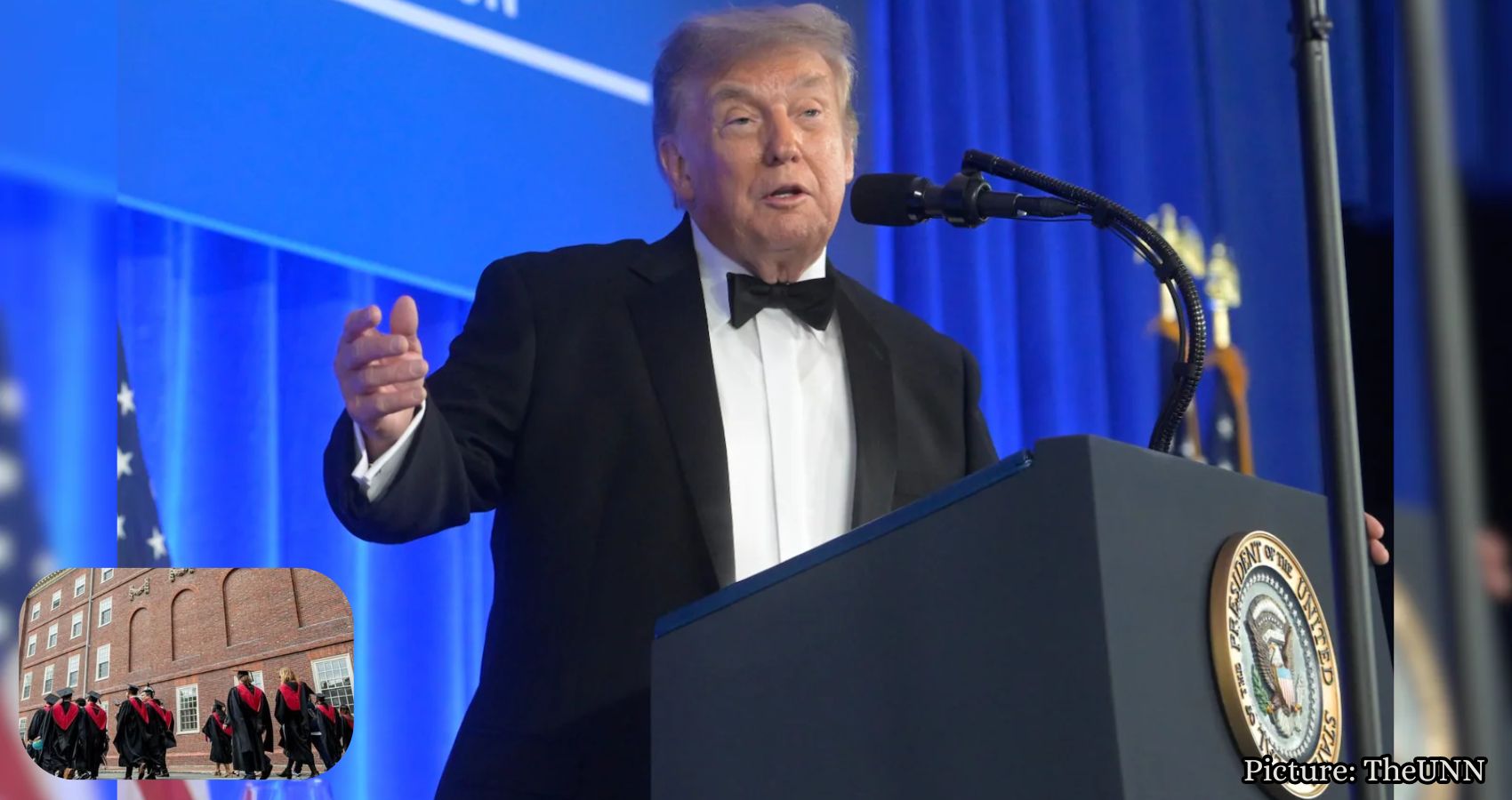
A recent revelation highlights the Trump administration’s use of a little-known legal provision to obtain private information from journalists, raising concerns about the implications for civil liberties and judicial oversight.
A recent revelation indicates that the Trump administration has employed an obscure legal provision to gather private information from journalists, non-profit organizations, and unions. This has prompted widespread concern over the lack of judicial oversight in such actions.
The Department of Homeland Security (DHS) has been accused of utilizing a little-known legal provision to secure private information from journalists and activist organizations without judicial oversight. This maneuver has alarmed civil liberties advocates and legal experts, who argue that such practices could undermine the First and Fourth Amendment rights of individuals and organizations involved in public discourse.
In a notable instance, the DHS obtained six months of telephone records for Georgia Fort, a journalist based in Minneapolis, without her knowledge or consent. According to court documents, Fort’s legal representation expressed shock at the government’s actions, arguing that they violated legal norms surrounding the protection of journalistic sources. This incident is particularly troubling given that it followed a court ruling in February where a judge denied the government’s request for search warrants related to Fort’s YouTube account, citing a lack of probable cause and the need for journalists to be informed about such requests.
Just weeks after the judge’s ruling, the DHS served Google with an administrative summons under 19 USC 1509, a statute typically associated with customs enforcement. Critics argue that the application of this provision to journalistic records represents a significant overreach. This statute allows the DHS to inspect records to ensure compliance with duties and taxes on imported goods, but its use in this context raises serious ethical questions.
Legal experts have voiced strong criticisms regarding the DHS’s interpretation of the law. Chris Duncan, a former lawyer with the DHS, stated that the provision is not intended for domestic investigations unrelated to customs. John Roth, former inspector general for the DHS, described the situation as “outrageous,” emphasizing that the summons was improperly used to circumvent judicial scrutiny. Caitlin Vogus, a senior adviser at the Freedom of the Press Foundation, echoed these concerns, highlighting the lack of independent oversight in the DHS’s actions.
Fort’s case is not an isolated incident. Reports indicate that the DHS has sought records from various journalists and media outlets, including the notable left-leaning platform Democracy Now and conservative commentator Megyn Kelly. The requests have included not only telephone records but also digital subscriber information, raising further questions about the government’s motives and the implications for journalistic integrity.
Critics emphasize that the Fourth Amendment protects against unreasonable searches and seizures, which typically require a showing of probable cause before a judge. However, the DHS has increasingly turned to administrative summonses, which can be issued without judicial review, to compel companies to provide information on individuals. Nathan Freed Wessler, a lawyer with the American Civil Liberties Union, underscored the danger of this practice, noting that the lack of transparency regarding the frequency and nature of such summonses hampers public accountability.
In recent months, reports indicate that the DHS has implemented similar administrative summonses to pressure social media companies into revealing user identities and financial records of various organizations, many of which have not been charged with any crimes. This trend raises significant concerns about the potential for abuse of power and the chilling effect on free speech.
In defense of its actions, the Trump administration has argued that the DHS possesses the authority to issue such summonses without judicial oversight. In court filings, government lawyers contended that the customs-related summonses were warranted due to potential threats against law enforcement officers, despite judges expressing skepticism regarding the relevance of the information requested to any customs issue.
The DHS’s actions have been met with resistance from major tech companies like Google, which reportedly declined to comply with some of the summonses, citing a lack of evidence connecting the requests to legitimate customs investigations. The firm stated its commitment to protecting customer privacy while complying with lawful demands.
The implications of the DHS’s actions are profound, particularly in an era marked by heightened scrutiny of government surveillance practices. The use of administrative summonses to obtain private information about journalists and activists, while circumventing judicial oversight, poses a direct threat to the essential tenets of a democratic society where freedom of expression and the press are paramount.
As this situation unfolds, civil liberties advocates are calling for greater transparency and accountability regarding the use of such legal provisions. They argue that without oversight, the potential for governmental abuse of power increases, potentially stifling public discourse and infringing upon individual rights.
The developments surrounding the DHS’s actions serve as a critical reminder of the ongoing tensions between national security interests and the fundamental rights enshrined in the Constitution. As public awareness grows regarding these practices, the discourse surrounding privacy, free speech, and government accountability will likely continue to evolve, according to Source Name.