
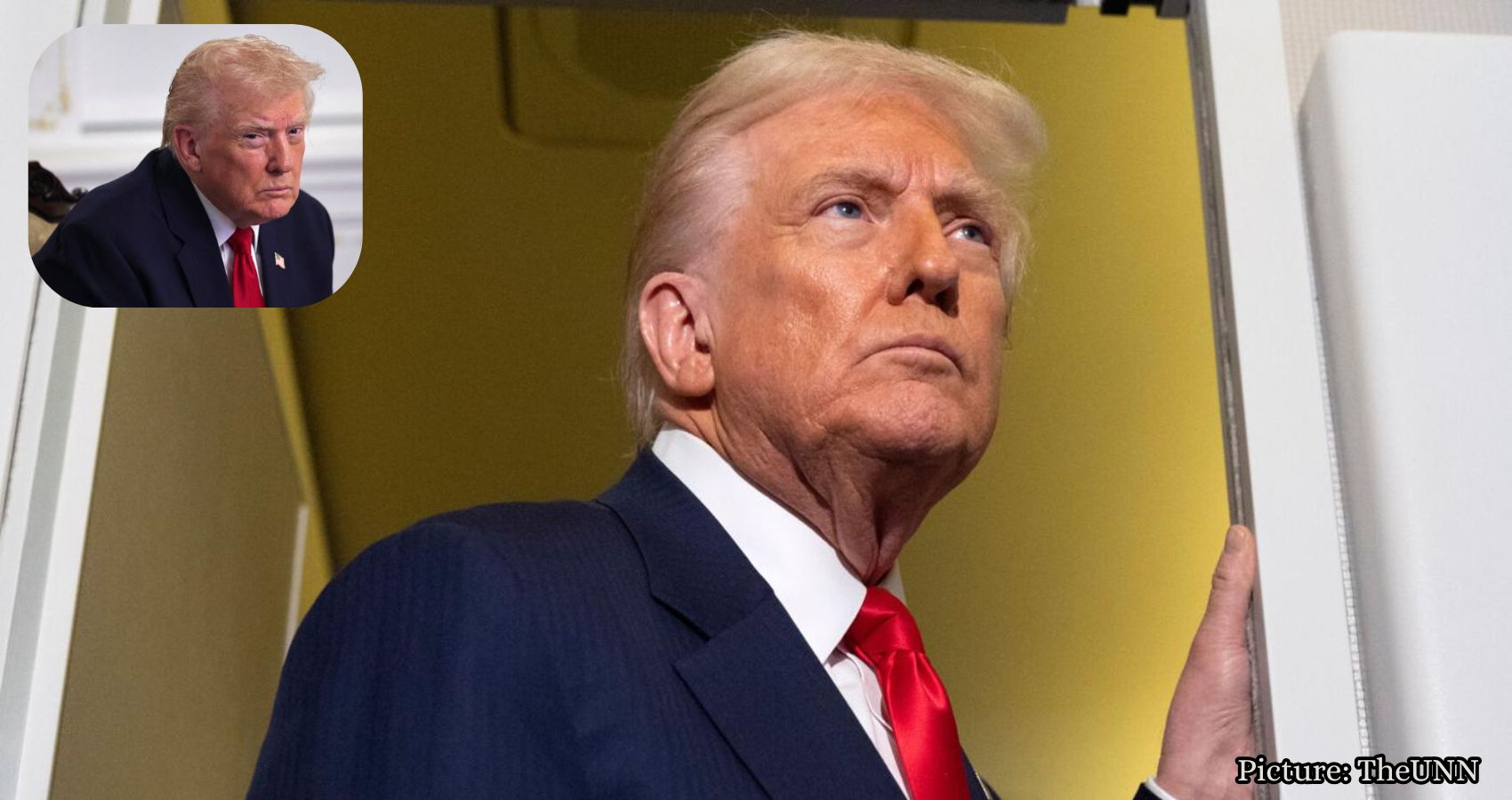
Recent polling indicates a decline in U.S. public support for military action against Iran, coinciding with President Trump’s approval ratings reaching an all-time low.
Recent polling data reveals a notable decrease in U.S. public support for military action against Iran, aligning with President Donald Trump’s approval ratings, which have hit a record low.
A new Reuters/Ipsos poll shows that support for U.S. military involvement in Iran has fallen to its lowest level since the conflict escalated earlier this year. The survey, conducted over four days and concluding on August 21, found that only 31% of Americans currently back military action in Iran, down from 37% in March and 34% earlier this month.
The decline in support appears particularly pronounced among self-identified Republicans. The poll indicates that 69% of Republican respondents support the war, a decrease from 77% recorded in March. This shift may have significant implications for the upcoming midterm elections, as Republican candidates could struggle to rally support if their party’s leader continues to face disapproval from within.
For the second consecutive poll, only 33% of respondents approved of Trump’s performance in office, marking the lowest percentage recorded in the Reuters/Ipsos polls since he took office. This level of disapproval reflects a growing sentiment of discontent among the electorate regarding ongoing military engagements and their economic ramifications.
The conflict with Iran escalated following U.S. and Israeli military actions against Iranian assets on February 28, aimed primarily at curbing Tehran’s nuclear weapons program. While the intensity of military operations has somewhat receded in recent months, Iran continues to impose a de facto blockade on oil exports from the region. This situation has contributed to a spike in U.S. gasoline prices, which are nearing historical highs, further straining American consumers.
Trump has characterized the military operations as essential for national security, asserting that such actions are necessary to deter Iran’s nuclear ambitions. Recently, he pledged to increase economic pressure on Iran, with Treasury Secretary Scott Bessent hinting at a potential expansion of sanctions targeting countries that engage in trade with Iran. However, the administration has yet to implement new penalties, underscoring the complexities and challenges of U.S. foreign policy in the region.
The latest polling data suggests that a substantial majority of Americans, approximately 83%, believe the conflict with Iran will persist for an extended period, an increase from 80% reported earlier this month. This perception of prolonged military engagement may further influence public opinion and political dynamics as the nation approaches the midterm elections on November 3.
Trump’s campaign for re-election in 2024 has focused on promises to manage inflation and avoid lengthy military entanglements. Nevertheless, the ongoing conflict with Iran has led to an increase in U.S. gasoline prices by over a dollar per gallon compared to levels before the conflict began, which could impact his standing among voters and the prospects of Republican candidates in the upcoming elections.
The poll also provides crucial insights into voter preferences, particularly among independent voters—a demographic that often plays a decisive role in elections. Currently, independent voters favor Democrats over Republicans by a margin of 33% to 19% when asked whom they would support in congressional elections if held today. This substantial preference for Democrats poses a significant challenge for the Republican Party as it seeks to maintain control over Congress amidst declining public support for its leadership and policies.
The survey sampled 1,215 U.S. adults nationwide, with a margin of error of 3 percentage points in either direction. This polling data offers a valuable snapshot of the evolving political landscape as the nation grapples with both foreign conflicts and domestic economic challenges.
The implications of these findings extend beyond immediate electoral concerns; they also highlight the potential for a shifting political narrative as public sentiment continues to evolve in response to ongoing military actions and their economic consequences. As the Trump administration navigates these turbulent waters, it faces the dual challenge of addressing public discontent while sustaining support among its traditional base.
As the situation with Iran continues to unfold, the administration’s handling of foreign policy, particularly regarding military engagements, will likely remain a focal point in the lead-up to the midterm elections. With current polling reflecting a significant decline in support for military action and low approval ratings for President Trump, the coming months may prove critical for both the administration and Republican candidates seeking to retain their congressional majority, according to Reuters.