
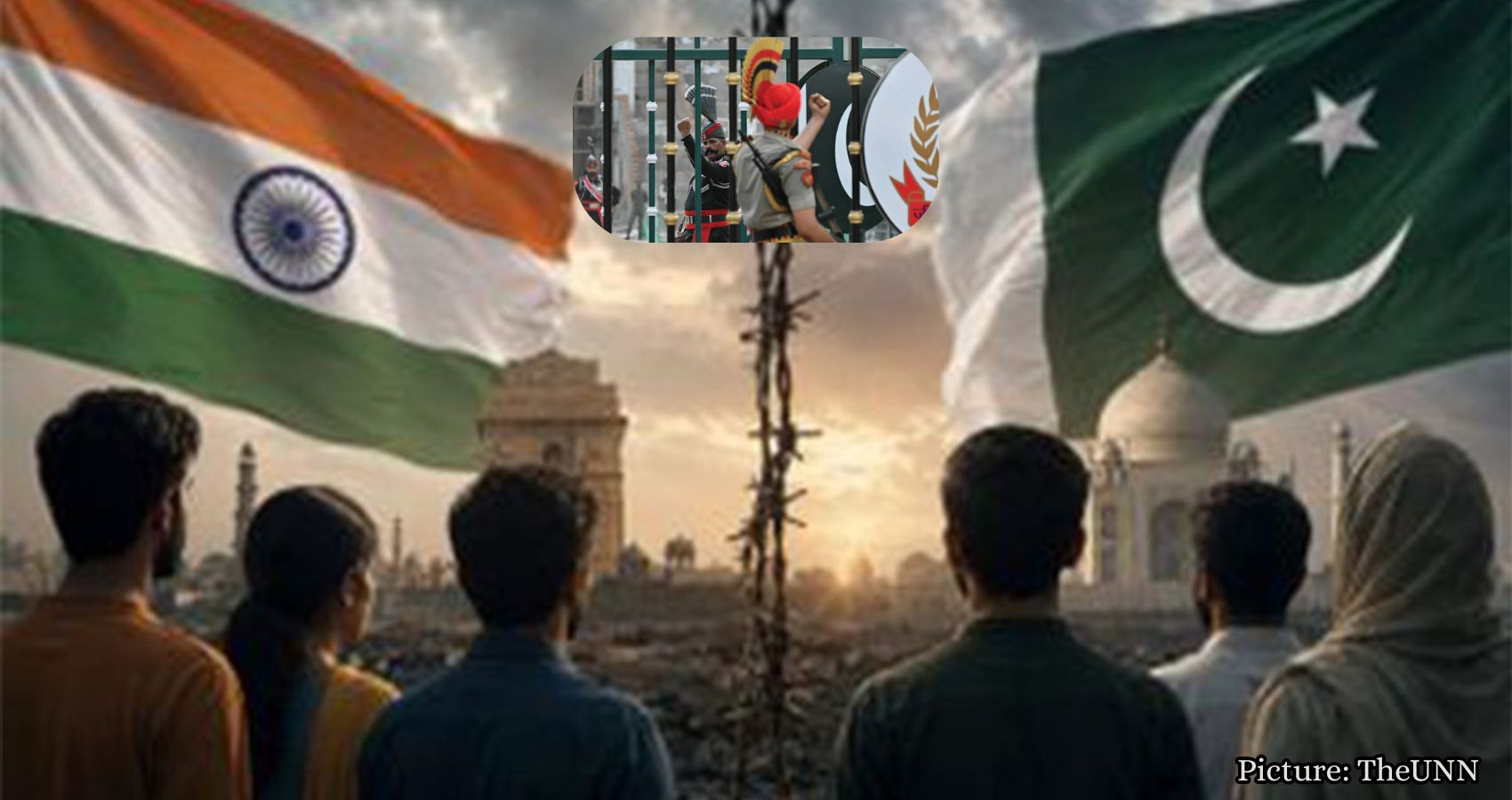
Recent Pew Research Center findings reveal that citizens of India and Pakistan overwhelmingly perceive each other as their greatest geopolitical threats, highlighting a long-standing history of animosity.
Recent findings from the Pew Research Center have shed light on the entrenched perceptions between India and Pakistan, nearly 80 years after the partition that led to the formation of these two independent nations. The comprehensive survey, conducted between February 8 and May 7, 2026, included responses from 3,566 individuals in India and 1,039 in Pakistan, along with participants from Bangladesh and Sri Lanka, providing a broad view of public opinion across the South Asian region.
The Pew Research Center aimed to illuminate public sentiment regarding bilateral relations and perceptions of major global powers. The methodology employed structured interviews to ensure a representative sample of the adult populations in each surveyed country. This latest inquiry builds upon previous research that has examined the global image of India and its neighboring states, reflecting the shifting dynamics in international relations.
The survey results indicate that a significant majority of both Indians and Pakistanis regard each other as their foremost geopolitical threats. Specifically, 54% of Indians identify Pakistan as their greatest threat, while 43% of Pakistanis view India similarly. This mutual distrust is further emphasized by the fact that approximately 90% of Pakistanis harbor an unfavorable view of India, with about 73% expressing very unfavorable opinions. Conversely, 78% of Indians view Pakistan negatively, including 65% who hold very negative sentiments towards their neighbor.
The survey also reveals demographic nuances in the perception of Pakistan within India. Indian Muslims, who constitute about 15% of the population, express somewhat more favorable views of Pakistan compared to their Hindu counterparts. About 21% of Muslims hold favorable opinions of Pakistan, while only 6% of Hindus share similar sentiments.
In addition to mutual perceptions of threat, the survey sheds light on how both nations view major world powers. Indian respondents generally favor the United States and Russia, with 36% identifying Russia as their most important ally and 16% naming the U.S. In stark contrast, Pakistanis overwhelmingly support China as their primary ally, with 75% expressing favorable opinions, followed by Saudi Arabia at 12%. This divergence in alliances reflects broader geopolitical trends that have emerged over the years, particularly as both nations navigate their respective positions in a rapidly changing global landscape.
Both nations exhibit skepticism toward each other’s commitment to fostering positive bilateral relations. A majority of Indian respondents believe their government and populace are dedicated to improving relations with Pakistan, while most Pakistanis feel that India lacks genuine commitment to this goal. Approximately a quarter of Indians remain uncertain about the commitment levels of the Pakistani people and government, indicating a complex interplay of perceptions that often complicates diplomatic efforts.
The animosity between India and Pakistan can be traced back to the violent partition in 1947, which resulted in significant demographic shifts and communal violence. This historical backdrop continues to shape current perceptions, as both countries grapple with the legacies of conflict, territorial disputes, and national narratives that often emphasize rivalry over cooperation. The ongoing dispute over Kashmir remains a particularly contentious issue, further complicating efforts to establish constructive dialogue.
The survey findings reveal a stark contrast in perceptions of China between the two countries. An overwhelming 90% of Pakistanis hold a favorable view of China, in contrast to only about a quarter of Indians who express similar sentiments. Furthermore, Indians demonstrate greater confidence in Russian leadership compared to their Pakistani counterparts, with 58% of Indians viewing Russia favorably versus only 39% of Pakistanis. In regards to U.S. relations, Indians are three times more likely to hold a favorable opinion of the U.S. compared to Pakistanis, highlighting the contrasting geopolitical orientations of the two nations.
The findings from the Pew Research Center paint a complex picture of South Asian geopolitics, with significant implications for regional stability and international relations. The divergent views on major powers like the U.S., China, and Russia indicate strategic alignments that could reshape future diplomatic engagements. As both nations continue to grapple with their national identities and historical grievances, the prospects for improved relations appear fraught with challenges.
This survey underscores the critical need for dialogue and understanding in a region marked by historical enmity. The perceptions held by the populations of India and Pakistan not only affect bilateral relations but also influence broader regional dynamics in South Asia. As both nations navigate their complexities, fostering mutual understanding may be essential in addressing long-standing conflicts and building a more stable future, according to Pew Research Center.