
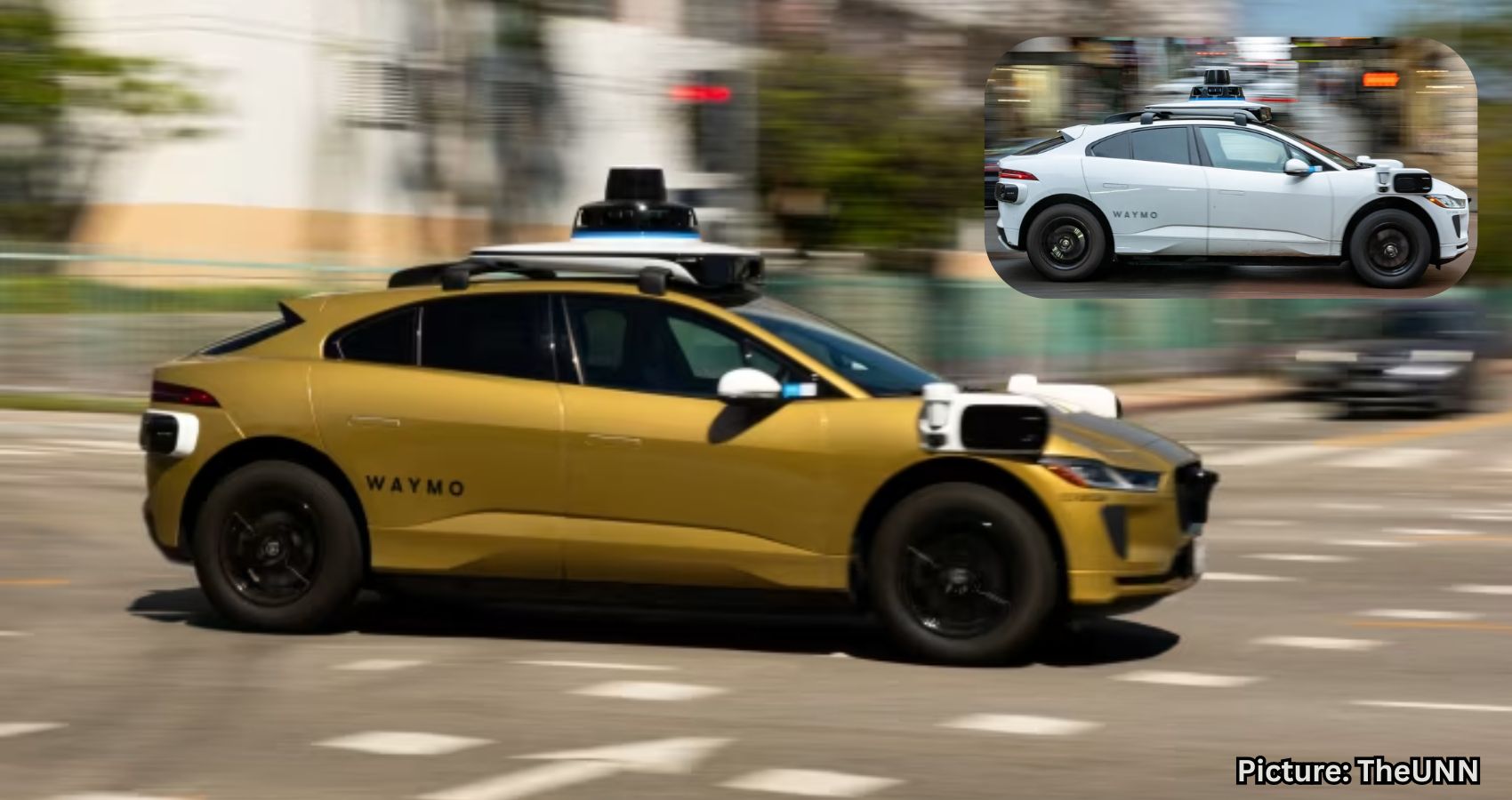
Waymo has issued a voluntary recall for 3,871 robotaxi vehicles after its autonomous driving software failed to recognize freeway construction zones, prompting a temporary suspension of freeway operations.
Waymo, the autonomous vehicle subsidiary of Alphabet, has announced a voluntary recall affecting 3,871 of its robotaxi vehicles. This action comes after the company’s 5th Generation Automated Driving System (ADS) was found to have difficulties recognizing freeway construction zones in both Phoenix and San Francisco.
The National Highway Traffic Safety Administration (NHTSA) reported that the software could potentially allow a Waymo vehicle to enter a closed construction zone on the freeway and continue driving, raising safety concerns. In response, Waymo has decided to pause its freeway operations while it works on a solution.
The recall is identified under NHTSA Campaign Number 26E035000 and specifically targets vehicles equipped with the 5th Generation ADS. According to the federal filing, the autonomous system may fail to detect construction zones or may prioritize avoiding other hazards on the freeway, leading to unsafe driving conditions.
Waymo’s timeline indicates that the first incidents occurred in Phoenix, where a review revealed that on April 11 and April 19, several vehicles drove past ramp closure signs into designated construction areas. Subsequently, on May 18, incidents were reported in the San Francisco Bay Area, where seven Waymo vehicles entered active construction lanes by maneuvering between cones.
Following these events, Waymo restricted freeway driving in Phoenix while implementing operational changes. After the incidents in San Francisco, the company expanded its suspension of freeway operations to address the underlying issues.
Fortunately, Waymo has reported that no collisions or injuries occurred as a result of these incidents. However, the company has taken the precautionary step of temporarily halting freeway operations while it enhances its software safeguards.
Waymo plans to update its Automated Driving System to improve the detection of construction zones and prevent vehicles from entering them. The remedy will also include additional operational protocols. As Waymo owns the affected vehicles, the company will implement the necessary updates itself and will notify the NHTSA once the fixes are deployed.
A spokesperson for Waymo emphasized the company’s commitment to safety, stating, “Waymo’s mission is to be the world’s most trusted driver, and the data shows that we’re making roads safer in the communities in which we operate. We identified an area of improvement regarding performance around freeway construction zones. We voluntarily restricted freeway operations last month while making improvements, proactively notified state and federal regulators, and decided to file a voluntary software recall with NHTSA. We continue to safely serve riders on surface streets in all the cities where we operate.”
Waymo’s safety statistics provide additional context, noting that its rider-only vehicles have driven 170.7 million miles without a human driver through December 2025. The company claims that the Waymo Driver has experienced 92% fewer serious injury-or-worse crashes compared to the average human driver over the same distance in its operating cities. However, this safety data primarily pertains to surface-street driving.
Construction zones present unique challenges due to their rapidly changing nature. Lane markings can disappear, cones may shift, and temporary signs can conflict with the expected road layout. Even human drivers can become confused when familiar routes are suddenly obstructed. For autonomous vehicles, this creates a complex real-time software challenge, as they must accurately interpret what constitutes a lane, barrier, sign, or hazard while adapting to unexpected changes.
Waymo began offering freeway rides to the public in the San Francisco Bay Area, Phoenix, and Los Angeles in November 2025. The company is also expanding its ride-hailing services, with plans to lay the groundwork for operations in over 20 additional cities in 2026, including Tokyo and London.
This recall raises significant questions about the reliability of robotaxis, which are intended to minimize human error behind the wheel. However, the unpredictable nature of construction zones can create a trust gap. While people generally do not expect perfection from human drivers, a malfunctioning driverless car can provoke greater concern because there is no human behind the wheel to take responsibility.
Public perception of Waymo will not solely depend on safety statistics but also on the real-world experiences that riders have and the company’s responsiveness to issues that arise. For those who utilize Waymo’s services, it is important to note that freeway rides may be temporarily unavailable while the company addresses these concerns. However, surface-street services will continue as usual, albeit with potentially longer routes if freeway access is restricted.
Riders are encouraged to check their routes, prices, and estimated travel times in the app before booking. If any issues arise during a ride, users can access in-app support options for immediate assistance. In emergencies, riders should call 911.
As construction zones are a common and ever-changing aspect of road travel, it is crucial for both human drivers and autonomous vehicles to navigate these areas with caution. When sharing the road with robotaxis, drivers should treat them like any other vehicle, maintaining a safe distance, especially around construction sites.
This recall highlights the importance of ensuring that autonomous vehicles are adequately prepared to handle the dynamic conditions of the road. The true test of Waymo’s technology will be its ability to make safe decisions in unpredictable situations, rather than merely performing well on clear roads.
As the conversation around autonomous vehicles continues, it remains to be seen whether public confidence can be restored following this incident. Would you feel comfortable taking a driverless car on the freeway after such a recall, or would you prefer to stick to surface streets until the technology proves itself once again? Let us know your thoughts.
According to CyberGuy, Waymo’s commitment to safety and the proactive measures taken in response to this recall are steps in the right direction.