
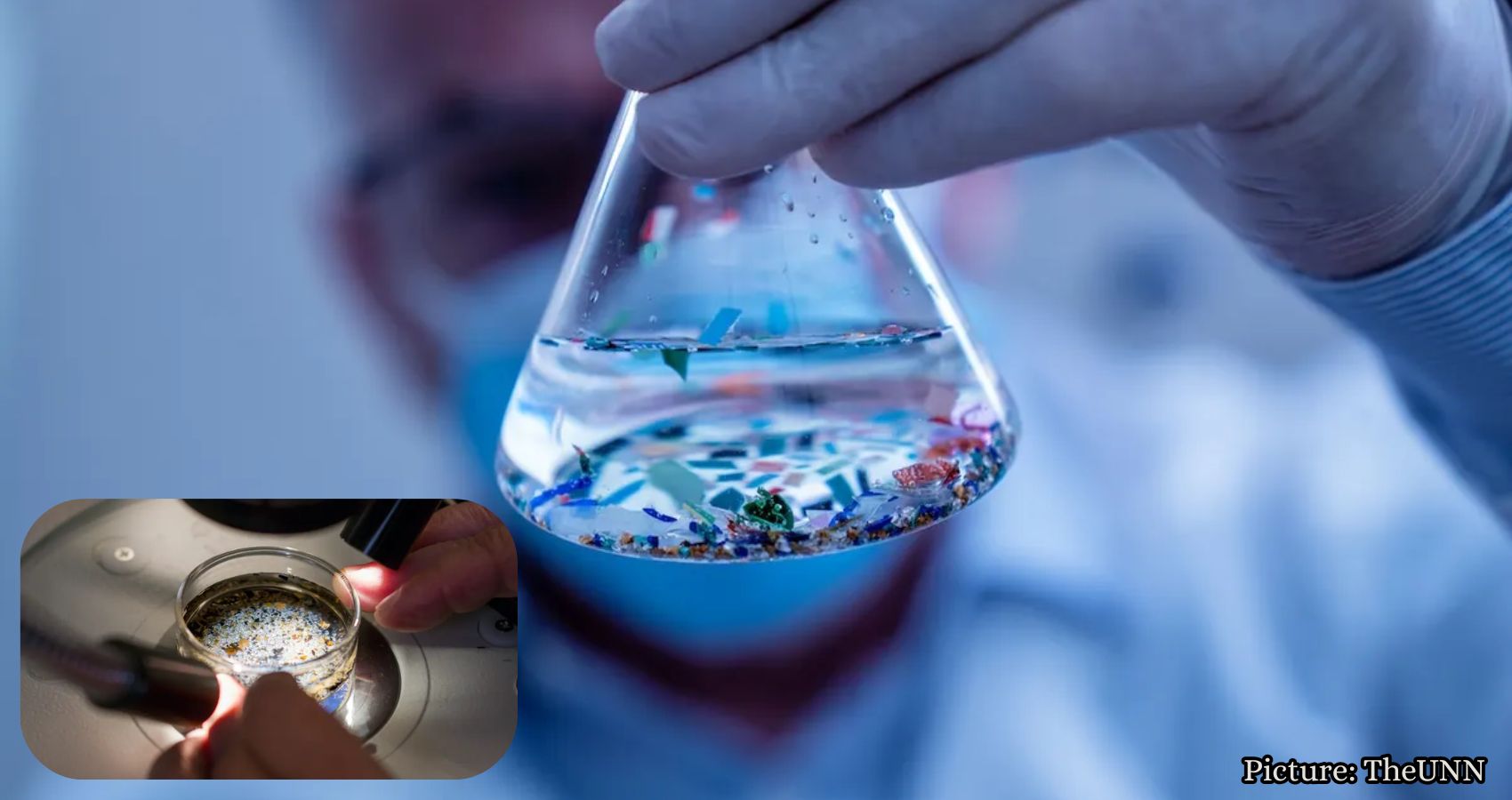
New research indicates that nearly 84% of severe heart attack patients have detectable microplastics in their blood, raising concerns about the potential link between plastic exposure and cardiovascular health.
In a groundbreaking study, Italian researchers have found that a significant majority of patients experiencing severe heart attacks have detectable levels of micro- and nanoplastics in their blood. The research, which analyzed blood samples from the coronary arteries of 61 patients undergoing angiograms, revealed that nearly 84% of those suffering from active, severe heart attacks exhibited these particles. In comparison, microplastics were found in only 40% of patients with chronic heart disease and 32% of individuals with normal coronary arteries.
The study, led by Dr. Raffaele Marfella from the University of Campania Luigi Vanvitelli in Naples, was published in the European Heart Journal. Among the findings, polyethylene—a common plastic material used in bags and bottles—was detected in 97% of the patients who tested positive for microplastics.
Michelle Routhenstein, a preventive cardiology dietitian at EntirelyNourished.com, commented on the implications of the study. “This study adds to emerging research showing the potential role of micro- and nanoplastics in heart disease,” she told Fox News Digital. However, Routhenstein emphasized the need to contextualize these findings within the broader landscape of environmental health hazards.
While the results are noteworthy, Routhenstein cautioned that they do not definitively establish a causal relationship between plastics and heart attacks. “While these findings are interesting and highlight the importance of paying attention to environmental factors that may contribute to inflammation and blood vessel injury, they do not prove that plastics cause heart attacks,” she explained.
The study’s findings are consistent with previous research that has detected microplastics in arterial plaque. However, Routhenstein pointed out several limitations of the study. “This was an observational study, so it can only show an association, not cause and effect,” she noted. “It also included a relatively small group of patients from one country, so we can’t assume the findings apply to everyone.”
Additionally, health and environmental variables could complicate the data. The study identified a history of smoking as the strongest predictor of detectable plastic particles in the blood. Routhenstein highlighted that factors such as smoking and air pollution are also linked to cardiovascular disease and increased plastic exposure, making it challenging to isolate the independent effects of microplastics.
To mitigate potential risks associated with microplastics, Routhenstein recommends making conscious choices to limit daily exposure. “I would take inventory of your regular sources of microplastic exposure and see where you can reduce or swap them for better alternatives,” she advised. For instance, she suggests replacing plastic food storage containers with glass options.
Routhenstein also encourages individuals to take extra precautions when preparing meals and consuming beverages. “When microwaving or reheating food, use glass or ceramic containers instead of plastic,” she said. “It’s also a good idea to limit plastic water bottles and single-use plastic containers, especially when they’re exposed to heat.” She emphasized that reducing plastic exposure should be viewed as one component of an overall heart-healthy lifestyle.
The findings of this study underscore the importance of further research into the potential health impacts of microplastics, particularly in relation to cardiovascular health. As awareness of environmental health hazards grows, understanding the implications of plastic exposure on human health will be crucial.
According to Fox News, the study adds to a growing body of evidence linking microplastics to various health issues, highlighting the need for continued investigation into this pressing concern.