
California voters face a critical decision on immigrant healthcare in the upcoming gubernatorial race, with candidates presenting contrasting views amid rising costs and budget concerns.
For decades, Californians have largely viewed immigrants, who constitute over a quarter of the state’s population and a third of its labor force, as beneficial to the state and its economy. However, recent budget instability and rising costs have ignited a contentious debate over the policy of providing state-funded health coverage to low-income immigrants without legal status.
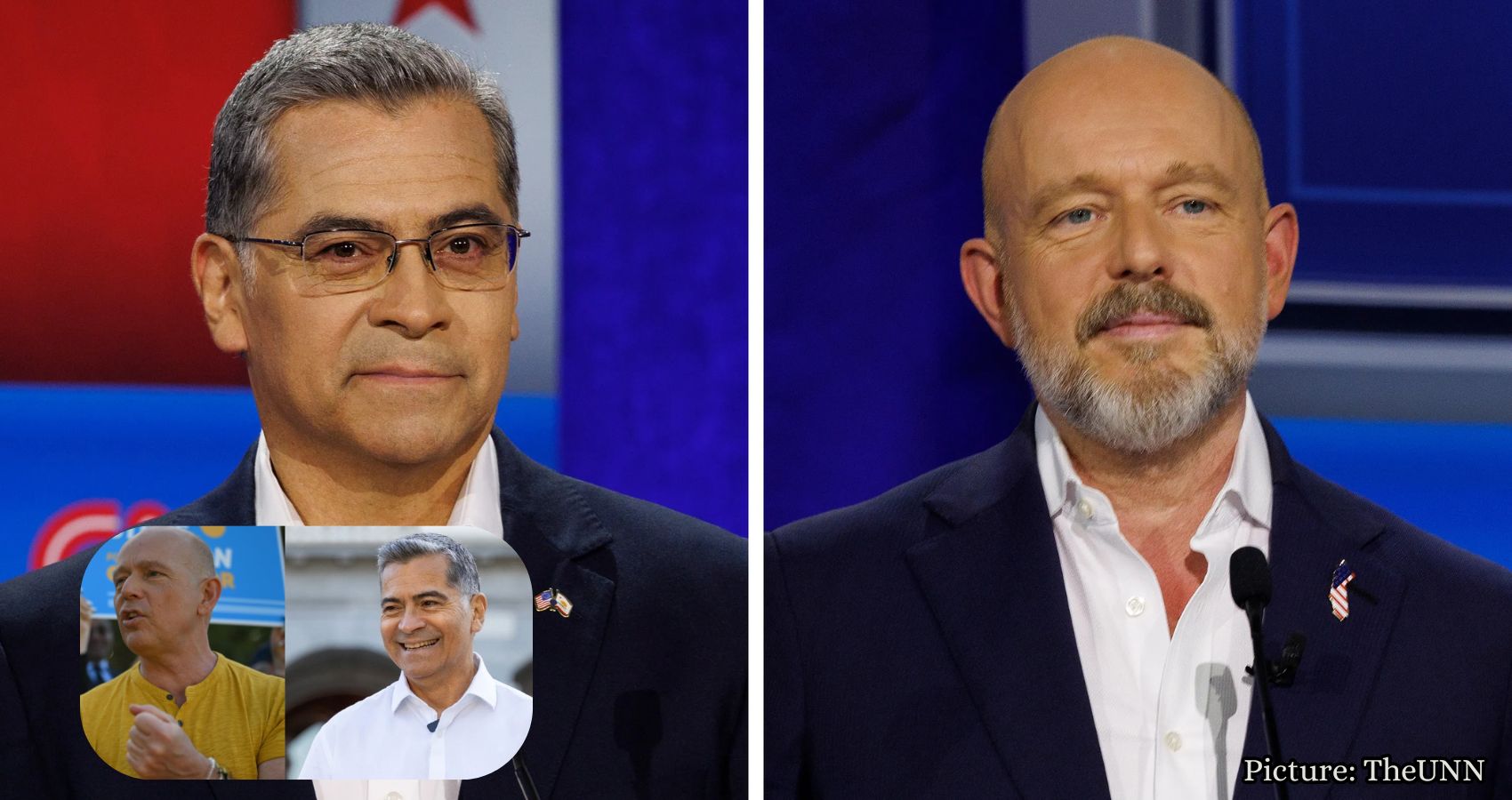
In the race for governor, Democrat Xavier Becerra and Republican Steve Hilton offer voters a stark choice. Both candidates frame the issue as an economic one, reflecting the growing concern among Californians about healthcare costs.
Becerra, who previously served as the Secretary of Health and Human Services under President Joe Biden, argues that it would be “foolish” to exclude the poorest immigrants from routine healthcare, which could lead to more expensive emergency room visits funded by taxpayers. In contrast, Hilton, a conservative commentator supported by former President Donald Trump, has pledged to eliminate healthcare coverage for undocumented immigrants, aligning with national Republican narratives that criticize California’s healthcare expansions as rife with fraud and abuse.
As inflation and the rising cost of living weigh heavily on voters nationwide, some Californians may be less inclined to support full healthcare coverage for those lacking legal status. The decisions made in the coming months could significantly impact the state’s healthcare system and its broader economy.
Over the past decade, California lawmakers have expanded Medi-Cal, the state’s Medicaid program, to offer comprehensive coverage to all low-income residents, regardless of immigration status. However, enrollment has exceeded initial projections, as have costs. According to California’s nonpartisan Legislative Analyst’s Office, providing Medi-Cal coverage for immigrants without legal status costs the state approximately $10 billion annually—more than double initial estimates.
In light of soaring healthcare costs and significant federal funding cuts from the GOP tax-and-spending legislation known as the One Big Beautiful Bill Act, California lawmakers and Democratic Governor Gavin Newsom, who championed the program, have approved substantial rollbacks of benefits. The California Health and Human Services Agency has projected that up to 3.4 million Medi-Cal enrollees could lose coverage, while the state risks losing over $30 billion annually in federal funding, potentially disrupting the safety net health program.
The Medi-Cal budget for the 2026-27 fiscal year stands at $217 billion, serving more than 14 million Californians. Meanwhile, many legal U.S. residents and citizens have experienced skyrocketing health premium payments following the expiration of enhanced federal Affordable Care Act subsidies at the end of December.
As California faced a budget deficit last year, a majority of likely voters expressed opposition to providing health insurance for immigrants without legal status for the first time in nearly a decade, according to a poll by the Public Policy Institute of California (PPIC).
Mark Baldassare, PPIC survey director, noted, “The state faces major challenges, and healthcare is one of the major expenditures. People have become more selective about how they want to see those limited healthcare dollars spent.”
Hilton has capitalized on this sentiment, framing health coverage for undocumented immigrants as unfair and a direct threat to the state’s ability to assist its citizens. In a Facebook video, he stated, “Stop taking money from California taxpayers who can barely afford their healthcare to give free healthcare to citizens of other countries who shouldn’t even be here.”
During campaign speeches, Hilton has promised to use the savings from eliminating immigrant healthcare to lower costs for other Californians, although he has not provided specific details on how this would be achieved. Hilton did not respond to requests for comment from KFF Health News.
Roger Salazar, a Democratic political consultant representing a coalition of healthcare advocates, remarked, “Their messaging is very, very simple: It’s an us vs. them. It’s just a question of convincing the average voter that it’s much better economically.”
Becerra, a son of immigrants, has long advocated for extending safety net benefits and has made a similar case in his gubernatorial campaign. He emphasized during a debate in May, “Immigrants, whether documented or not, work hard. They pay taxes, and sometimes they get injured on the job or their children get sick.”
He criticized the decision to freeze Medi-Cal enrollment for adults without legal status and to cut benefits, stating, “Stop treating coverage as a budget variable that expands in good years and contracts when revenue dips.” Becerra has pledged to seek new, stable revenue sources to fund essential services, including increasing taxes on corporations and the wealthiest Californians.
As of 2023, California is home to approximately 2.3 million individuals without legal status, representing about 8% of the state’s labor force, according to the Pew Research Center. Additionally, one in five California children lives in a household with at least one member lacking legal status, as reported by the California Department of Education. Healthcare economists argue that providing access to preventive care ultimately saves taxpayers money by maintaining a healthy workforce and alleviating pressure on an already strained system.
Baldassare noted that this argument gained traction during the COVID-19 pandemic, when immigrants were recognized as essential workers, highlighting the connection between individual health and public well-being.
However, costs associated with Medi-Cal for approximately 1.4 million undocumented immigrants have surged, as only some lawfully present immigrants qualify for federal Medicaid benefits. States like California that extend coverage to other populations must do so entirely with state funding.
California’s budget experts have cautioned that sustaining full Medi-Cal coverage for undocumented immigrants without additional revenue could jeopardize the state’s long-term fiscal stability.
In a legislative hearing last year, Republican Assembly member Carl DeMaio questioned whether California taxpayers would prioritize healthcare expansions for undocumented immigrants, expressing doubt that “illegal immigrant healthcare in the general fund would be at the top of their list.”
Following the approval of spending reductions, support for immigrant health coverage declined, Baldassare noted. Democratic lawmakers and Newsom agreed to postpone several Medi-Cal cuts until July 2027, leaving critical decisions for the next governor.
David Hayes-Bautista, a researcher focused on the economic contributions of Latinos and immigrants, emphasized that undocumented Californians have higher labor force participation rates and often work in industries that do not provide employer-based health insurance. Consequently, many rely on Medi-Cal, placing the financial burden on the state rather than employers.
“California, as a state, has the world’s fourth-largest GDP, which is true thanks to Latinos,” Hayes-Bautista stated. “Without contributions from Latinos, many of whom are undocumented, it drops to eighth place, about the size of Italy’s economy.”
Immigrant advocates are hopeful that Becerra, as the frontrunner in a state where Democrats outnumber Republicans nearly two-to-one, will be a strong ally in their fight for immigrant healthcare.
State Senator María Elena Durazo, a former labor leader who has supported immigrant healthcare expansions, remarked, “He will fight, he will push back, he will do all that he can. That’s the most we could expect,” according to KFF Health News.