
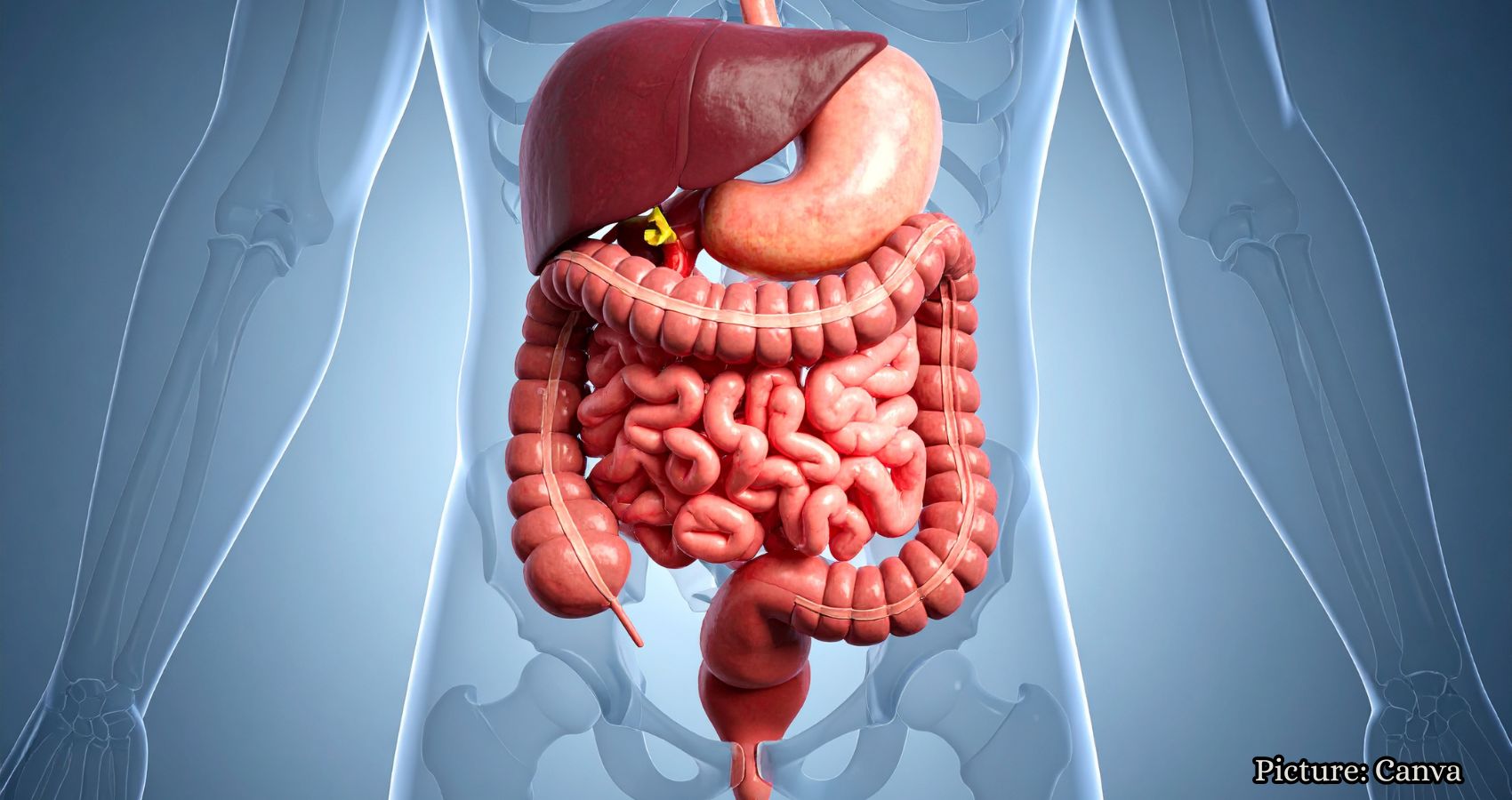
Microbes play a crucial role in human health, forming complex ecosystems within our bodies that influence digestion, immunity, and overall well-being.
Microbes, or microorganisms, are tiny living organisms that are typically visible only under a microscope. The term “microbe” is derived from the Greek words “mikros,” meaning small, and “bios,” meaning life. While scientists have identified hundreds of thousands of microbial species, estimates suggest that millions more remain undiscovered. Collectively, these microorganisms are referred to as microbiota.
Historically, microbes were often viewed as harmful entities, particularly because early discoveries focused on pathogenic microorganisms responsible for diseases such as tuberculosis, cholera, and anthrax. However, it is now understood that only a small fraction of microbes are pathogenic. The vast majority of microbiota are either neutral or beneficial, having co-evolved with humans over millions of years. In fact, many bodily functions rely on these microorganisms.
A microbiome is defined as a community of microorganisms residing in a specific environment, akin to an ecosystem. Microbiomes can be found in various locations, including lakes, rivers, oceans, soil, and even within plants and animals. For instance, a spoonful of healthy soil can contain billions of bacteria and thousands of different microbial species.
Scientists have made significant strides in understanding how these microorganisms function as communities. Their interactions and collective genes contribute to the overall functioning of these ecosystems. Some researchers even propose that Earth itself is shaped by interconnected microbiomes.
When we consider our own bodies, we can view them as complex ecosystems hosting distinct microbiomes. The largest and most significant of these is the gut microbiome, located primarily in the gastrointestinal tract. This region, particularly the colon, provides an ideal environment for microorganisms due to its warmth, moisture, and nutrient availability from undigested food.
The gut microbiome is home to tens of trillions of microorganisms, accounting for about 90–95% of the body’s microbial population. It plays crucial roles in digestion, immunity, metabolism, and overall health. Other microbiomes exist on our skin, in our mouths, and even in our respiratory and urogenital tracts, each contributing to various aspects of health.
The oral microbiome, for example, consists of hundreds of bacterial species that inhabit the teeth, tongue, and gums. Recent research indicates that this microbiome is not only vital for oral health but also plays a significant role in overall body health. An imbalanced oral microbiome can trigger systemic inflammation, impacting conditions such as metabolic decline and cardiovascular disease.
Within the human microbiome, bacteria, archaea, protists, fungi, and viruses are the primary microorganisms. Bacteria constitute about 90% of the microbial population in the gut, driving digestion, vitamin production, and short-chain fatty acid synthesis. Fungi, while making up less than 0.1% of the gut population, work closely with bacteria to maintain gut barrier integrity.
Archaea serve a cleanup role, converting hydrogen gas waste from bacteria into methane, while protists graze on bacteria to regulate their populations. Viruses function as regulators and defense mechanisms within the microbiome, ensuring a balanced microbial ecosystem.
On average, an adult body contains approximately 38 to 40 trillion microbial cells, outnumbering human cells. However, microbial genes vastly exceed human genes, with the human genome containing about 20,000 protein-coding genes compared to millions in the microbiome. This genetic diversity allows our microbiomes to perform essential functions that our own DNA cannot manage alone.
The gut microbiome significantly influences our health span—the years we live in good health. It aids in digesting fiber, regulating the immune system, and influencing inflammation and metabolism. Research indicates that the gut microbiome may also impact lifespan by affecting chronic disease risk, with studies showing that healthy older adults possess microbiomes that differ from those of less healthy individuals.
The gut-brain axis, a two-way communication system linking the gut microbiome to the brain, is an active area of research. Evidence suggests that the microbiome can influence brain health by reducing inflammation and sending signals that affect brain function.
Maintaining a healthy microbiome is essential for overall well-being. Recommendations for supporting a diverse microbiome include consuming a high-fiber diet rich in vegetables, fruits, beans, and whole grains. Incorporating fermented foods, exercising regularly, avoiding unnecessary antibiotics, getting adequate sleep, and limiting processed foods are also beneficial. Diversity within the microbiome is a key marker of health, particularly in older adults.
Currently, no clinical tests can determine whether an individual has an “optimal” microbiome, as significant variation exists among healthy individuals. However, exposure to natural environments, such as gardening or hiking, may enhance microbial diversity.
The trillions of microorganisms residing within us are not mere passengers; they are active participants in our health journey. By understanding and nurturing this hidden ecosystem through healthy habits, we can cultivate a microbiome that supports vitality, resilience, and healthy aging throughout our lives.
According to India Currents, the intricate relationship between humans and their microbiomes underscores the importance of these microorganisms in maintaining health and preventing disease.