
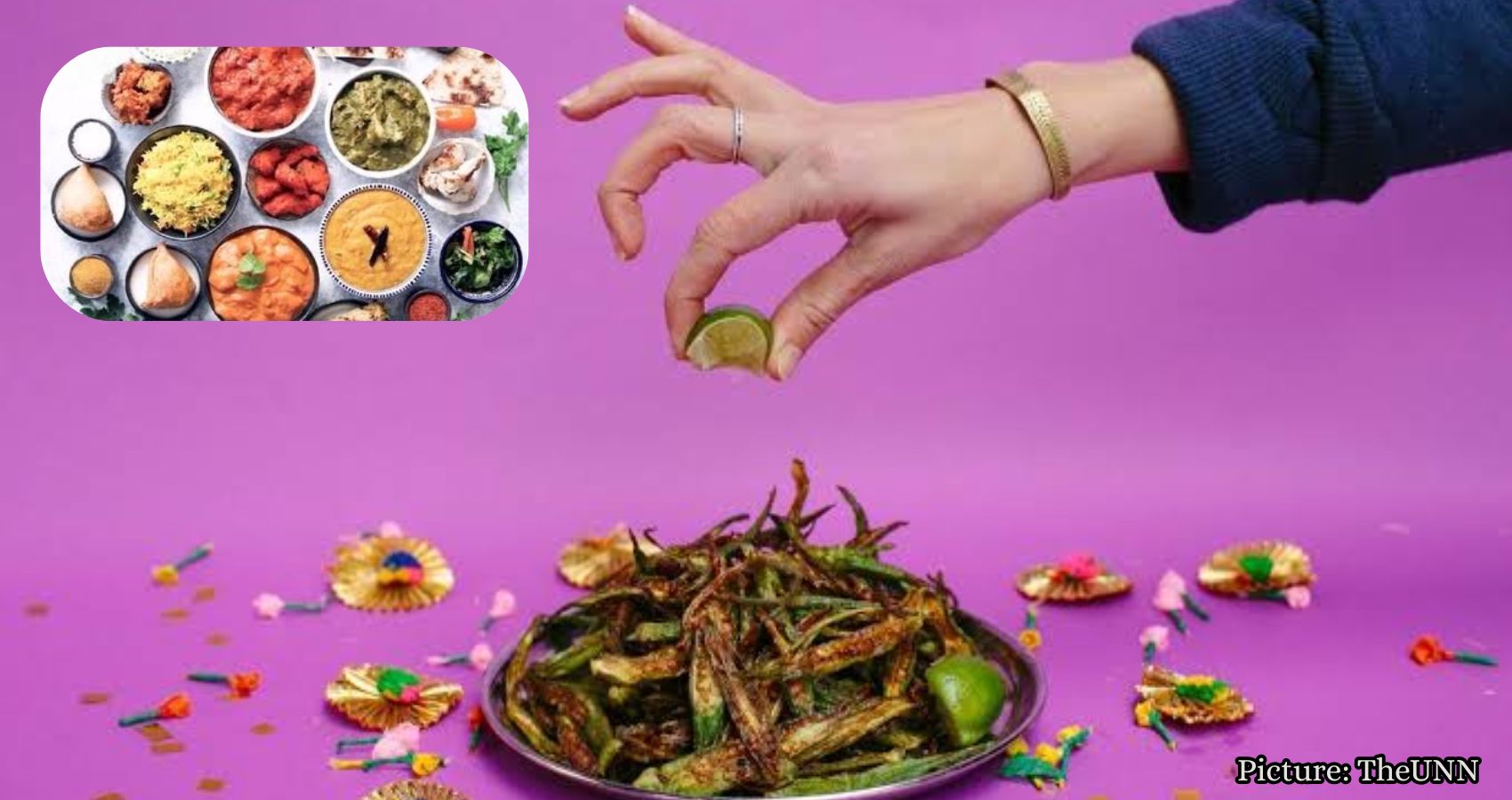
Chaat, an iconic Indian street food, is evolving in America as chefs blend tradition with innovation, creating a vibrant culinary experience that reflects cultural heritage and modern tastes.
Chaat is more than just food; it is a tapestry of memories and sensations that transports individuals back to bustling streets in India. Whether it’s the hiss of oil as a tikki hits the griddle or the aroma of toasted cumin, chaat evokes nostalgia and a sense of belonging. For many, it is a reminder of home, a connection to family kitchens, and the vibrant street food culture of India.
At its core, chaat embodies a philosophy of balance and contrast. It is a dish that harmonizes sweetness, acidity, spiciness, and savory elements, creating a complex flavor profile that is both satisfying and exhilarating. This culinary tradition has deep roots, tracing back to the Mughal era in northern India, where it was believed to aid digestion and protect against impure water. Culinary anthropologist Kurush Dalal notes that chaat originated in the late 17th century during the reign of Shah Jahan, evolving into a beloved street food that reflects the essence of Indian cuisine.
The term “chaat” derives from the Hindi word “chaatna,” meaning “to lick,” aptly describing the compulsive nature of this food. Street vendors, the original flavor architects, crafted chaat without written recipes, relying on their intuition and the feedback of satisfied customers. Each region in India has its own interpretation of chaat, showcasing local ingredients and culinary traditions.
In Delhi, the aloo tikki is a celebrated version, featuring spiced potato patties topped with yogurt, chutneys, and sev. Chef Abhishek Botadkar of Long Island’s Bhaijaan describes the dish as an explosion of flavors and textures, where the crisp exterior of the tikki contrasts with the creamy yogurt and tangy chutneys. This combination creates a nostalgic experience that resonates with many who have enjoyed chaat in its traditional form.
Meanwhile, Mumbai offers bhel puri, a delightful mix of puffed rice, sev, onions, tomatoes, and chutneys, served fresh to maintain its crispness. Kolkata’s phuchka, known as pani puri elsewhere, features a spiced water that is intensely tangy, while Varanasi’s tamatar chaat is built around a rich tomato base. Each city’s unique version of chaat reflects local tastes and preferences, demonstrating the adaptability that has allowed it to thrive for centuries.
As Indian immigrants arrived in the United States in the 1960s and 1970s, they brought their culinary traditions with them, reconstructing recipes from memory and adapting them to available ingredients. The chaat served in early Indian restaurants across the country was not an exact replica of what one would find in India but rather a taste of home, crafted to evoke familiarity and comfort.
For decades, chaat in America was often found in strip-mall restaurants, characterized by low-lit dining areas and laminated menus. These establishments, such as Vik’s Chaat in Berkeley and Chaat Bhavan in Fremont, became community staples, serving generations of South Asian families. They maintained the essence of chaat, preserving its flavors and traditions while catering to a growing diaspora.
Today, a new wave of Indian-American chefs is redefining chaat, blending traditional recipes with contemporary techniques and local ingredients. Chef Heena Patel of Besharam in San Francisco emphasizes the importance of balance in her dishes, creating a summer fruit chaat that combines seasonal produce with chaat masala and olive oil. Her approach highlights the adaptability of chaat, showcasing how it can evolve while remaining true to its roots.
Chef Ajay Walia, known for his restaurants RASA, Saffron, and Amara, views chaat as a philosophy of flavor-building. His dishes reflect a deep understanding of the complexities of taste, with offerings like Corn Chaat and Rajasthani Chaat that pay homage to traditional flavors while incorporating modern elements. Similarly, at INDIBAR in Scottsdale, chefs Nigel J. Lobo and Ajay Singh experiment with ingredients like finger millet to create a unique twist on classic chaat.
As these chefs innovate, they are also reclaiming chaat as a sophisticated culinary form worthy of serious attention. The evolution of chaat in America is not merely about nostalgia; it is a celebration of identity and cultural heritage. It reflects the journey of Indian immigrants and their descendants, who are now cooking professionally and sharing their culinary traditions with a broader audience.
Chaat has transcended its origins, becoming a symbol of resilience and adaptability. It is a dish that embodies the spirit of migration, representing the flavors of home while embracing new influences. The experience of enjoying chaat remains unchanged—an irresistible collision of sweet, sour, spicy, and savory that invites diners to savor every bite.
In the Bay Area, a rich chaat landscape continues to thrive, with establishments like Vik’s Chaat, Chaat Bhavan, and Besharam leading the charge. These restaurants not only serve delicious food but also foster a sense of community, connecting generations through shared culinary experiences. As chaat continues to evolve in America, it remains a testament to the enduring legacy of Indian cuisine and the vibrant tapestry of flavors that define it.
Chaat is not just a snack; it is a celebration of culture, identity, and the joy of sharing food. As chefs across the country reinterpret this beloved dish, they remind us that food is a powerful medium for storytelling, bridging the past and present while inviting everyone to partake in its delicious journey.
According to India Currents, the evolution of chaat in America reflects a broader narrative of cultural exchange and culinary innovation.