
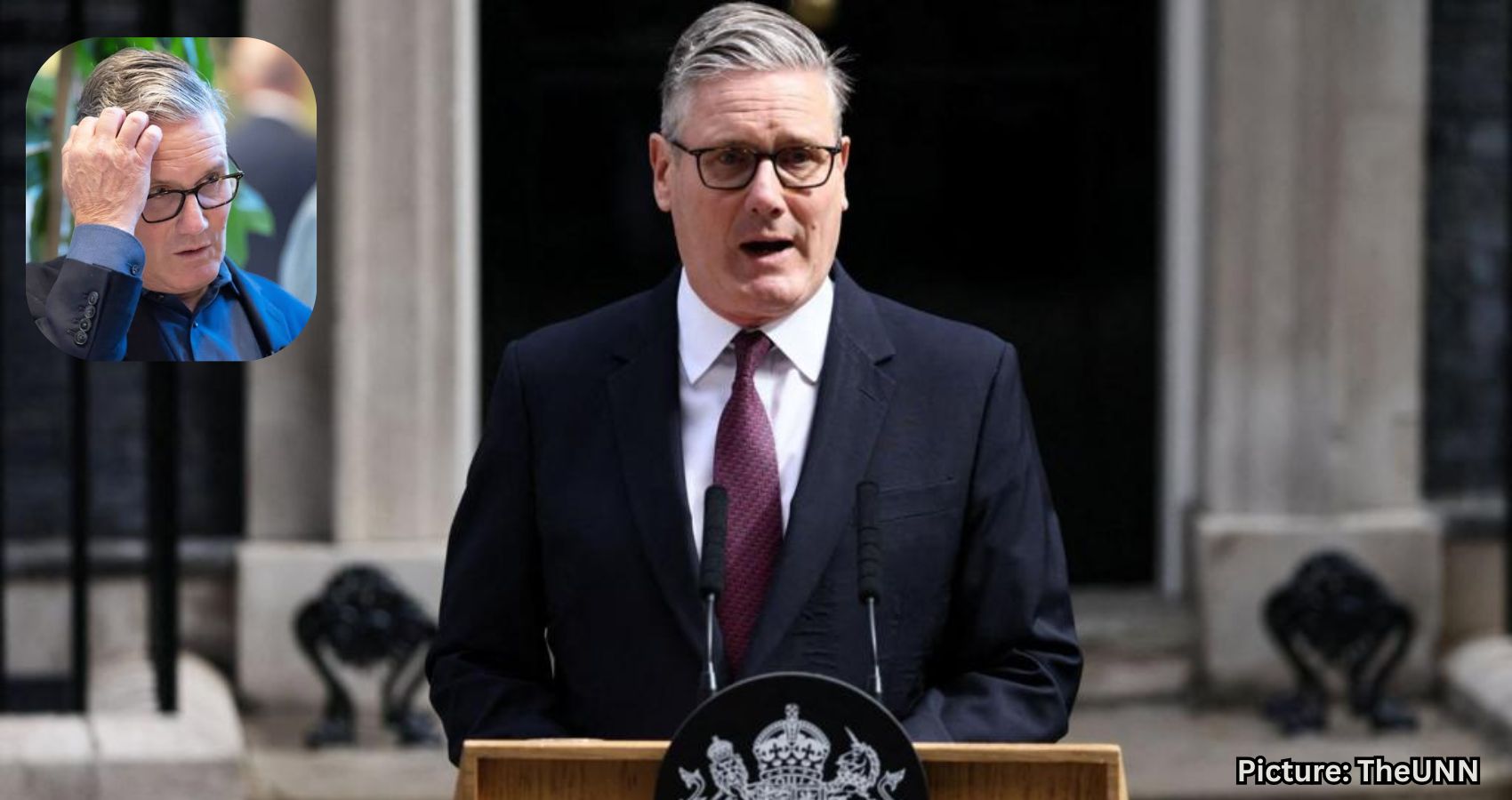
Keir Starmer announced his resignation as British Prime Minister following significant local election losses and growing dissent within the Labour Party, marking a pivotal moment in British politics.
British Prime Minister Keir Starmer has announced his resignation after facing a significant revolt within the Labour Party, exacerbated by the party’s devastating losses in recent local elections. Starmer’s decision comes in the wake of losing approximately 1,500 council seats and control of over 25 councils during the elections held last month.
In a statement delivered outside 10 Downing Street, Starmer expressed his commitment to putting the country first, stating, “Every decision I’ve taken has been about putting the country I love first. That is why I will resign as leader of the Labour Party.” He confirmed that he had informed His Majesty the King of his decision earlier that day.
Starmer acknowledged the growing discontent within his party, saying, “The question my party is asking now is whether I am best placed to lead us into the next general election. I have heard the answer of my parliamentary party to that question, and I accept that answer with good grace.” He will serve as caretaker prime minister until a new leader is elected by Labour members in the coming weeks.
The turmoil within the Labour Party has intensified over recent weeks, particularly following the local election results, which saw significant gains for Nigel Farage’s Reform UK party in areas traditionally dominated by Labour, as well as advances by the Green Party in urban regions.
Starmer’s domestic challenges were further complicated by a contentious dispute with former U.S. President Donald Trump regarding military operations in Iran. Initially resistant to U.S. requests to utilize British bases, Starmer faced public criticism from Trump, who remarked, “This is not Winston Churchill that we’re dealing with,” on March 3. Eventually, Starmer approved limited defensive cooperation with the U.S., which alienated anti-war lawmakers within his party and left many voters perceiving him as indecisive and weak.
Public sentiment regarding Starmer’s leadership was reflected in YouGov focus groups and polling, where he was described as “weak,” “indecisive,” and overly reactive to American influence.
The crisis deepened when two Labour ministers publicly resigned, calling for a leadership change. Jess Phillips stepped down after Starmer reportedly declined to resign during a cabinet meeting, stating that Labour required leadership with more “gusto.” Miatta Fahnbulleh also resigned, advocating for what she termed an “orderly transition.” Reports indicate that more than 80 Labour MPs have publicly called for Starmer’s resignation, with political editor Steven Swinford noting that these MPs represent various factions within the party.
Despite the mounting pressure, John Healey defended Starmer, asserting that “more instability is not in Britain’s interest” and emphasizing the need for a focused approach to security.
Starmer’s appointment of Peter Mandelson as ambassador to Washington has also drawn scrutiny, particularly due to Mandelson’s past associations with convicted sex offender Jeffrey Epstein. This controversy has added to the challenges facing Starmer’s leadership.
As attention shifts to the Labour leadership contest, several potential candidates are emerging. Wes Streeting is viewed as a leading contender from the party’s centrist wing, while Andy Burnham enjoys popularity among Labour’s grassroots, having recently secured a seat in Parliament. Deputy Prime Minister Angela Rayner is also expected to play a significant role in the upcoming succession battle.
The developments within the Labour Party signal a critical juncture in British politics, with the potential for a reshaping of the political landscape as the party seeks to recover from its recent setbacks and prepare for future elections, according to The Guardian.