
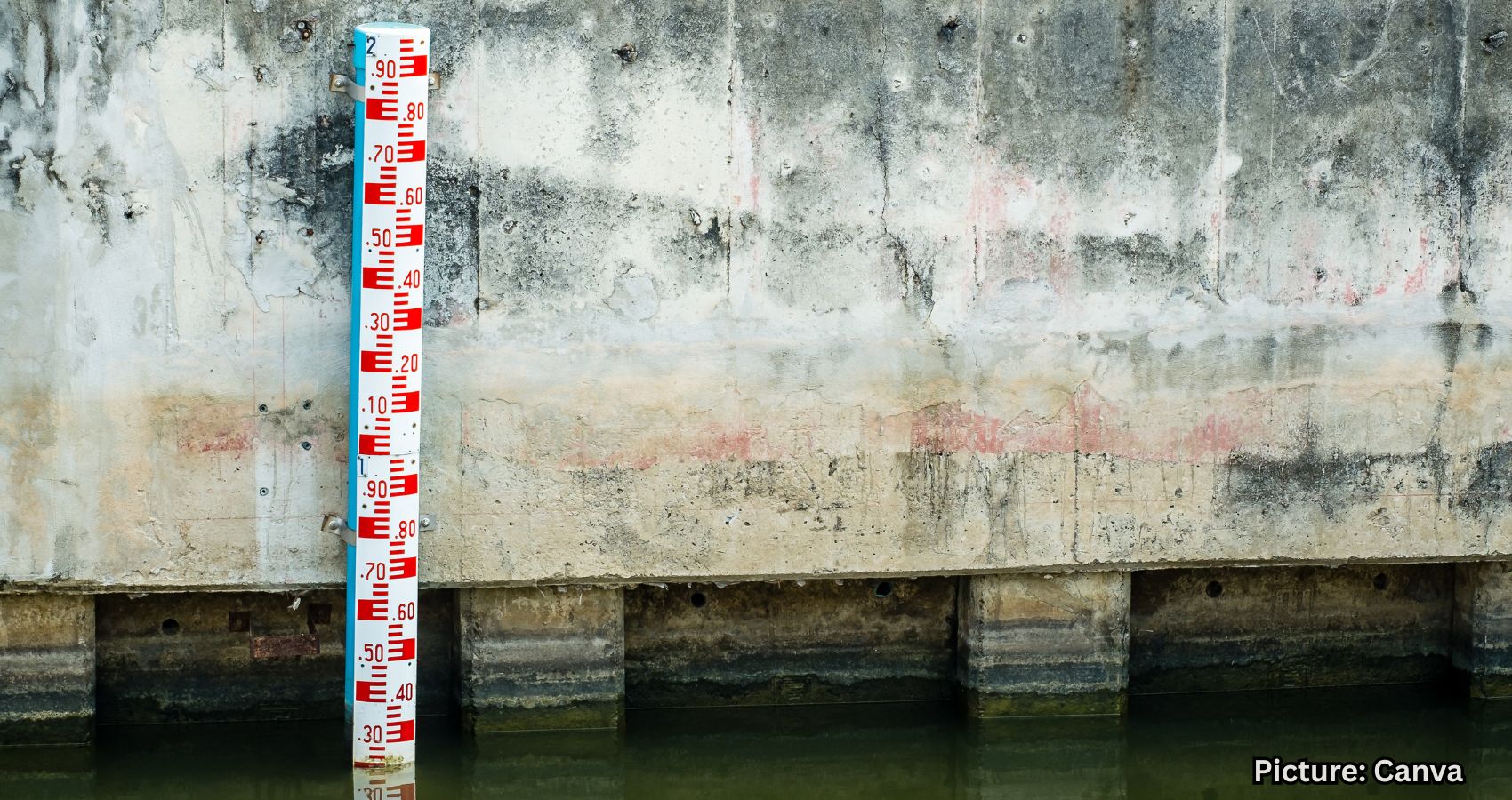
India’s major reservoirs are currently at just 28% capacity, raising concerns about water supply, agriculture, and power generation amid a significant monsoon rainfall deficit.
India is facing a critical water storage challenge as the monsoon season remains weak and delayed across various regions. Recent data from the Central Water Commission (CWC) indicates that the water levels in 166 major reservoirs have plummeted to approximately 28% of their total capacity. This alarming situation coincides with a nearly 40% deficit in monsoon rainfall this season.
While current reservoir levels are slightly above the average recorded over the past decade for this time of year, the ongoing monsoon slowdown has raised significant concerns. These reservoirs play a vital role in supplying water for agriculture, drinking, industrial use, and hydroelectric power generation, making their storage levels a focal point of attention.
Among the key reservoirs monitored by the CWC are Gobind Sagar in Himachal Pradesh, Thein Dam in Punjab, Rana Pratap Sagar in Rajasthan, Hirakud in Odisha, Panchet Hill in Jharkhand, Ukai and Sardar Sarovar in Gujarat, and Pench in Maharashtra. A continued decline in reservoir levels could have serious implications for crop irrigation, drinking water availability, and electricity generation across various states.
Despite the overall rainfall deficit, some states have reported improved reservoir storage levels compared to the same period last year. States such as Assam, Bihar, Chhattisgarh, Gujarat, Himachal Pradesh, Madhya Pradesh, Nagaland, Odisha, Punjab, Uttar Pradesh, and Uttarakhand are faring better, indicating that rainfall and reservoir inflows have not been uniform throughout the country.
Conversely, several states are experiencing lower reservoir levels compared to last year. These include Andhra Pradesh, Goa, Jharkhand, Karnataka, Kerala, Maharashtra, Meghalaya, Mizoram, Rajasthan, Tamil Nadu, Telangana, Tripura, and West Bengal. This decline suggests that many regions in eastern, western, and southern India have been more adversely affected by the sluggish progress of the monsoon this year.
The differences in this year’s monsoon compared to last year are striking. In 2022, the southwest monsoon reached Kerala approximately eight days earlier than usual, advancing rapidly across the country. This early arrival allowed reservoirs to fill up adequately and maintain healthy storage levels. In contrast, this year, the monsoon reached Kerala three days later than expected and has progressed much more slowly. This delay has resulted in lower-than-anticipated reservoir inflows in many areas, heightening concerns about water availability.
As the situation develops, the implications for agriculture, drinking water supply, and energy production will be closely monitored. The current state of India’s reservoirs underscores the urgency of addressing water management and conservation strategies to mitigate the impact of such climatic variations.
According to The Sunday Guardian, the ongoing challenges posed by the delayed monsoon could lead to significant repercussions for the nation’s water resources if conditions do not improve soon.