
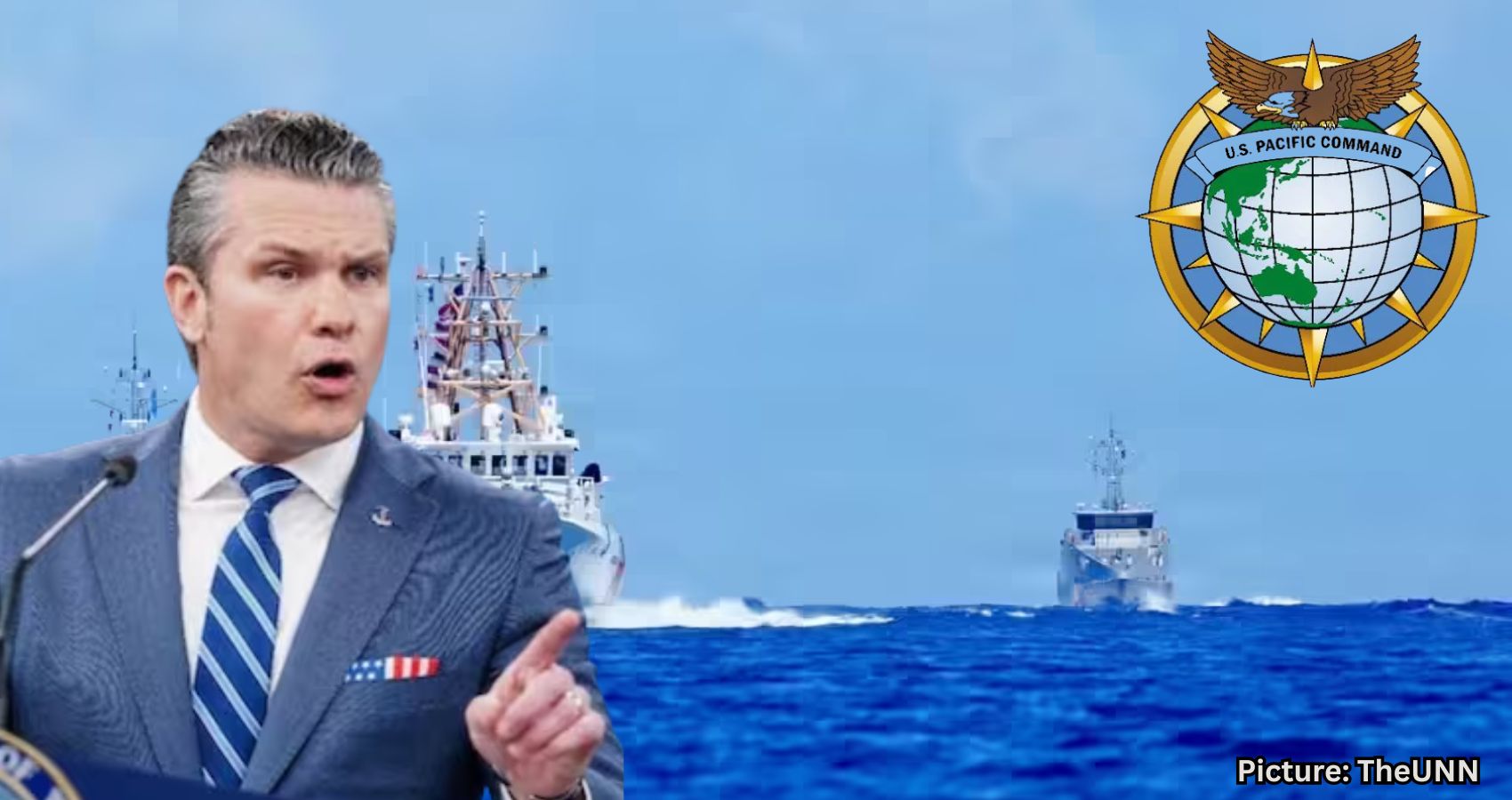
The U.S. Department of War has reverted the name of the Indo-Pacific Command back to the Pacific Command, a change that does not affect its mission or operations.
WASHINGTON, D.C. — On June 16, the U.S. Department of War announced a significant change regarding its military command structure. The U.S. Indo-Pacific Command (USINDOPACOM) will now be referred to as the U.S. Pacific Command (USPACOM), reversing a name change that took place in 2018.
This reversion does not impact the command’s mission, military operations, personnel, resources, or area of responsibility. The jurisdiction of the command will continue to encompass the waters off the U.S. West Coast to the western border of India.
Despite the name change, the command will maintain its commitment to collaborating with regional allies and partners. This was emphasized in a statement from the Department of War, which noted that the change restores the command’s historic identity.
“Restoring the legacy USPACOM designation honors the command’s deep historical roots, fostering a sense of pride and collective spirit among all who serve in the Pacific,” the statement read.
The U.S. Pacific Command was originally established by President Harry S. Truman on January 1, 1947. For over 70 years, it operated under the USPACOM designation before being renamed in 2018. It remains the oldest and largest of the United States’ unified combatant commands.
The command was renamed to U.S. Indo-Pacific Command in May 2018 by then-U.S. Defense Secretary Jim Mattis. At that time, Mattis stated that the change recognized the growing strategic connection between the Indian and Pacific Oceans. He remarked, “Relationships with our Pacific and Indian Ocean allies and partners have proven critical to maintaining regional stability.”
Mattis added, “In recognition of the increasing connectivity between the Indian and Pacific Oceans, today we rename the U.S. Pacific Command to U.S. Indo-Pacific Command.”
According to the Department of War, the latest change is largely symbolic and does not alter the command’s structure, responsibilities, or regional focus. The reversion to the Pacific Command name reflects a historical legacy while continuing to address contemporary strategic needs.
This decision underscores the U.S. commitment to its longstanding relationships in the region, ensuring that the command remains a pivotal player in maintaining stability across the Pacific and Indian Oceans.
For further details, refer to the official statement from the Department of War.