
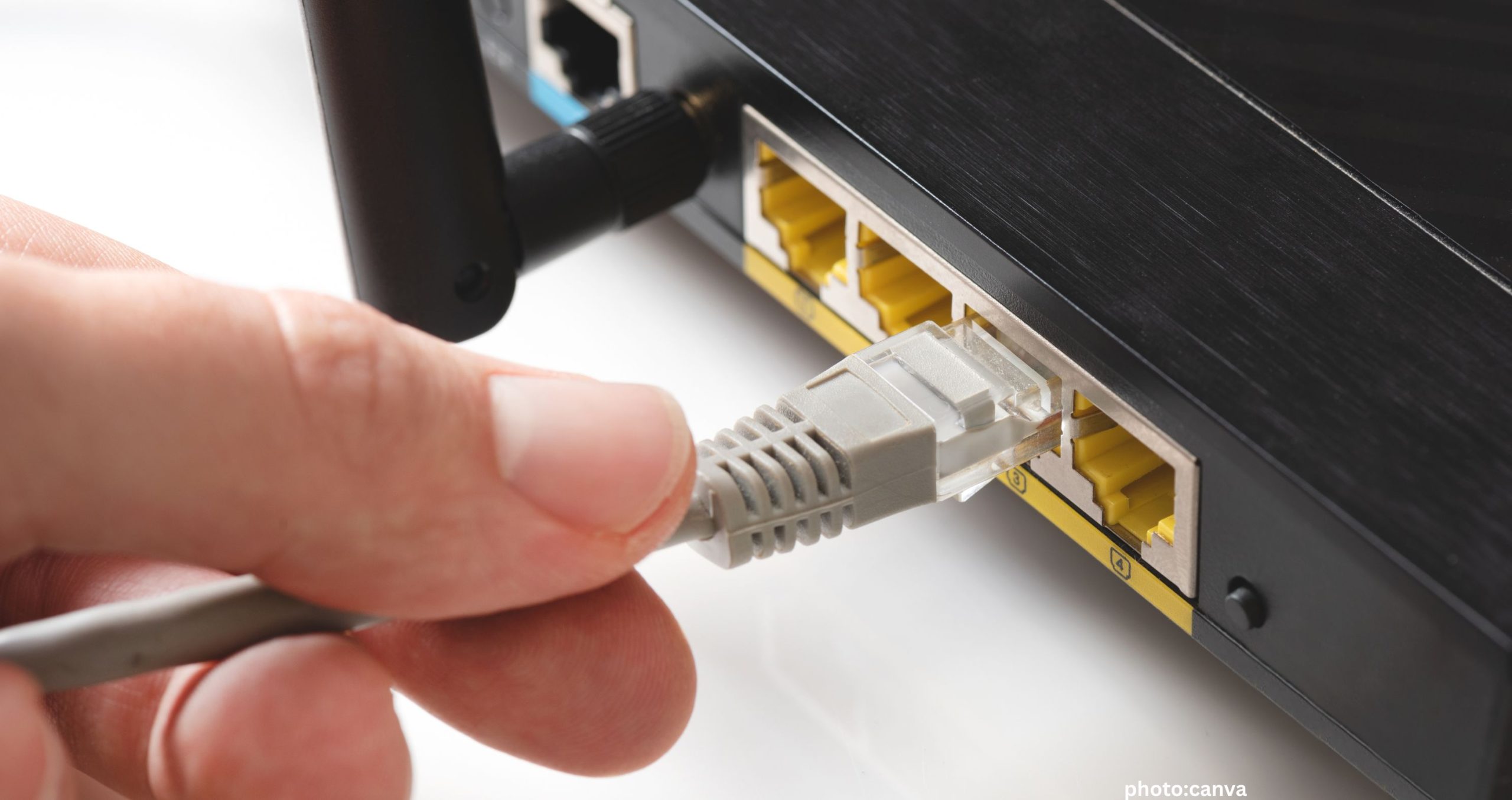
The FBI has warned that Russian hackers exploited outdated TP-Link routers to conduct espionage and steal sensitive information, urging users to check their devices for vulnerabilities.
The FBI has issued a warning regarding Russian hackers who have taken advantage of vulnerable TP-Link home routers to conduct espionage and steal login credentials. This alert highlights the importance of router security, particularly for users of older models.
Wi-Fi routers, often overlooked in the realm of home technology, play a crucial role in managing internet connectivity. According to the FBI and the Justice Department, a Russian military intelligence hacking group, known as APT28, Fancy Bear, or Forest Blizzard, has exploited weaknesses in small office and home office (SOHO) routers to facilitate their operations. This group is linked to Russia’s GRU military intelligence agency.
The hackers manipulated router settings to redirect internet traffic through servers they controlled. This allowed them to monitor valuable targets, intercept data, and steal sensitive login information. Fortunately, the FBI and Justice Department reported that they disrupted the U.S. segment of this network in April, but users must take proactive steps to secure their devices.
Many individuals may not realize the potential risks associated with their routers. Routers can age like any other electronic device, and many people continue to use them long after manufacturers have ceased support. This can leave known security vulnerabilities unaddressed. Additionally, many users fail to change the default admin username and password, which can provide hackers with an easier entry point into their networks.
For instance, the FBI specifically mentioned the TP-Link WR841N in its advisory. The UK National Cyber Security Centre has also identified other TP-Link models that may be at risk. Users should take these warnings seriously, especially since many of the affected routers are older and may no longer receive regular security updates.
A spokesperson from TP-Link acknowledged awareness of the recent reports regarding legacy consumer routers, including those mentioned in the advisory. The spokesperson noted that these models reached their End of Service and Life status several years ago. However, TP-Link has developed security updates for select legacy models where feasible and encourages users to upgrade to currently supported hardware that receives regular updates.
To enhance router security, users should take immediate precautions. Updating to the latest firmware, disabling remote management, and restricting device access to trusted internal networks are essential steps. The security of customers is a top priority for TP-Link, and they have provided detailed mitigation guidance on their official security advisory page.
It is crucial to remember that a compromised router can affect all connected devices, including laptops, smartphones, tablets, and smart TVs. This is particularly concerning for those working from home, as a weak router can jeopardize both personal and workplace accounts.
Fortunately, users do not need to be cybersecurity experts to improve their router security. Simple checks can significantly reduce risks. First, locate the model number on the bottom or back of the router. If it matches one of the affected models, check the manufacturer’s support page for firmware updates. If the device is no longer supported, it is advisable to replace it.
Firmware is the software that operates the router, and updates often address security vulnerabilities. Users should log in to their router’s admin page and look for a firmware update section. Enabling automatic updates, if available, or setting reminders to check for updates regularly can help maintain security.
Changing the default admin username and password is another critical step. Users should create a long, unique password that is not used elsewhere. A password manager can assist in generating and storing a strong router password. Additionally, if the Wi-Fi password has been widely shared or remains unchanged for years, it should be updated as well.
Remote management features can provide attackers with another avenue to access the router. Unless necessary, it is advisable to disable this feature. Users should look for options labeled “remote management,” “remote access,” or “WAN access” in their router settings.
While rebooting the router can help clear temporary malicious activity, it is not a substitute for updates, stronger passwords, or replacing outdated devices. Users should also be cautious of browser warnings regarding invalid or unsafe site certificates, as these can indicate interference with secure connections.
For those handling sensitive work files from home, utilizing a company-approved VPN can help protect traffic when connecting to workplace systems. However, a VPN should not replace the need for regular router updates and secure practices.
Strong antivirus software can provide an additional layer of protection against malware and phishing attempts. While it cannot fix a vulnerable router, it can help safeguard devices from malicious activity. Users should consider reputable antivirus solutions that offer comprehensive protection.
If hackers manage to steal login credentials, the repercussions can extend beyond the home network. Identity theft protection services can monitor for signs of misuse of personal information, alerting users to suspicious activity involving their accounts.
Ultimately, if a router no longer receives security updates, it is essential to replace it. While purchasing a new router may not be as exciting as acquiring a new smartphone, it is a necessary investment in securing the home network.
The recent FBI warning serves as a reminder for every home and small business owner to assess their router’s security. The ordinary nature of these devices makes them appealing targets for cybercriminals. Users should check their router models, update firmware, change admin passwords, disable remote management, and replace outdated devices. By taking these steps, users can significantly enhance their network security and protect their personal information.
For further information and guidance on securing your router, consider visiting reputable cybersecurity resources.
According to Fox News, the FBI’s warning underscores the importance of proactive measures in safeguarding home networks.