
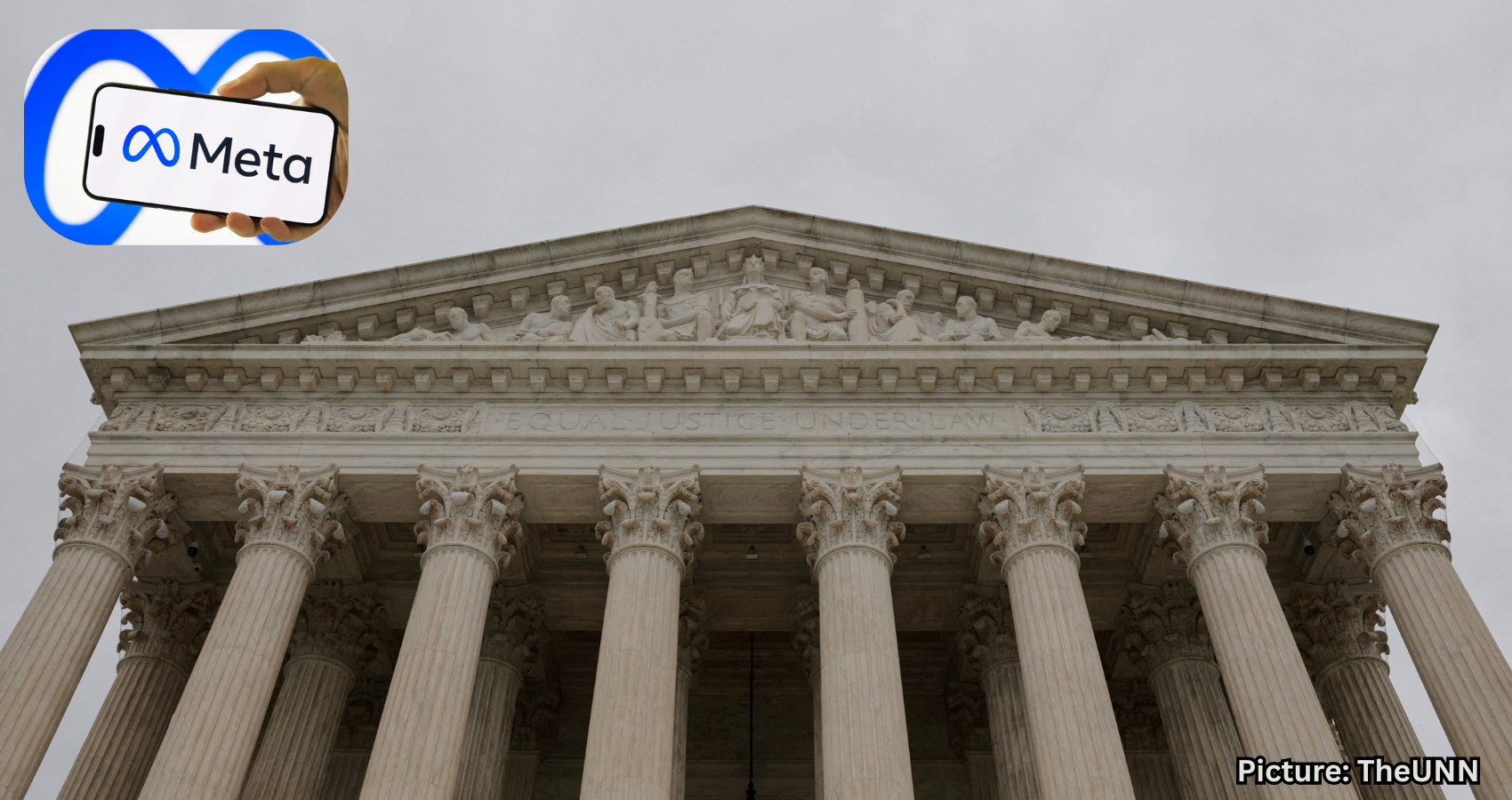
The U.S. Supreme Court has allowed a Vermont lawsuit against Meta to proceed, alleging that Instagram is designed to addict teenage users for profit.
The U.S. Supreme Court has declined to hear an appeal from Meta Platforms, allowing a lawsuit filed by Vermont Attorney General Charity Clark to move forward in state court. The lawsuit accuses Instagram of being intentionally designed to exploit the psychological vulnerabilities of young users, thereby increasing engagement and advertising revenue.
The state of Vermont alleges that Meta knowingly created features on Instagram that are addictive, misleading consumers about the platform’s safety and the risks it poses to children and teenagers. In its defense, Meta argued that the Vermont courts lacked jurisdiction over the California-based company, claiming that allowing the case to proceed would violate its due process rights under the 14th Amendment of the U.S. Constitution. However, the Vermont Supreme Court previously rejected this argument, stating that Meta targeted users and advertising markets within Vermont and profited from activities based in the state.
The Supreme Court’s decision not to hear Meta’s appeal does not imply any judgment on the legality of the company’s actions but allows Vermont’s claims to continue through the judicial process. In court filings, Vermont contended that Instagram was specifically designed to exploit the developing brains of teenagers to enhance addiction and boost advertising sales. The state further alleged that Meta studied various psychological, neurological, and cognitive vulnerabilities in adolescents to encourage compulsive use of the app.
The Vermont Supreme Court emphasized that a company that actively engages with a state’s market for its own economic benefit can expect to be held accountable in that jurisdiction. This case is part of a broader trend, as numerous lawsuits have been filed across the United States against social media companies regarding the impact of their platforms on children and teenagers.
According to reports, 42 state attorneys general have participated in legal actions against Meta and other social media firms, focusing on the alleged harms to young users and deceptive business practices. The Vermont lawsuit is one of many that highlight concerns over how social media platforms are designed and operated.
Meta has recently faced several legal challenges related to claims about youth mental health. In March, a Los Angeles jury found both Meta and Google negligent in a case involving allegations that their platforms harmed a young user’s mental health, resulting in approximately $6 million in damages. Earlier this year, a jury in New Mexico determined that Meta violated the state’s consumer protection law by misrepresenting the safety of its platforms—Facebook, Instagram, and WhatsApp—for young users, leading to a $375 million damages award. New Mexico is also pursuing broader changes to Meta’s platforms in a separate phase of the case.
Despite these allegations, Meta has consistently denied that its platforms are intentionally harmful to children and asserts that it is committed to developing protections aimed at improving online safety for teenagers.
As the Vermont lawsuit progresses, it will be closely watched as part of the ongoing national conversation about the responsibilities of social media companies in safeguarding the mental health of young users.
According to Reuters, the outcome of this case could have significant implications for how social media platforms operate and are regulated in the future.