
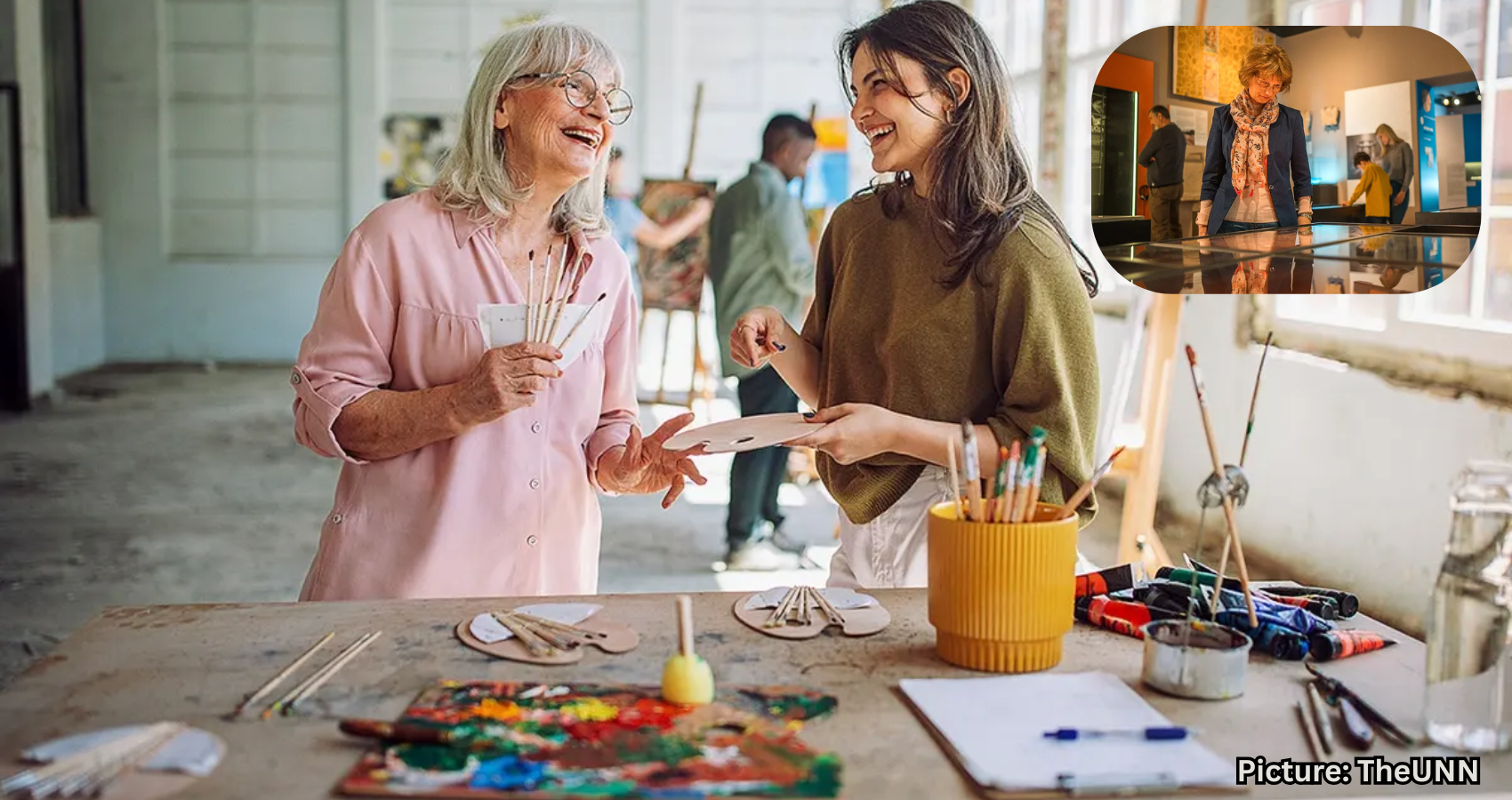
Regular visits to museums and participation in creative activities may contribute to slower biological aging, according to a recent study from the United Kingdom.
Individuals who frequently visit museums or engage in creative pursuits may experience slower biological aging, according to a new study conducted by researchers at University College London. The study analyzed data from over 3,500 adults and found that those who regularly participated in arts and cultural activities exhibited signs of reduced cellular aging based on various DNA measurements.
The findings were published in the journal Innovation in Aging. The research examined a range of activities, including painting, photography, dancing, singing, visiting museums, and attending cultural events or historic sites. Researchers compared participation in these activities with “epigenetic clocks,” scientific tools that assess chemical changes in DNA over time.
Adults who engaged more frequently and in a broader variety of activities demonstrated slower aging scores compared to those who rarely participated in arts or cultural experiences. This association was particularly pronounced among individuals over the age of 40.
Interestingly, the effect sizes observed in the study were comparable to those linked to physical activity, which is one of the most extensively studied behaviors associated with healthy aging. Jessica Mack, a health and wellness expert and founder of The Functional Consulting Group, commented on the findings, noting that they reflect a growing understanding of health as being influenced by factors beyond just exercise and nutrition.
“Arts and cultural engagement may be associated with slower epigenetic aging, with effects comparable in some measures to physical activity,” Mack told Fox News Digital. She explained that activities such as visiting museums and engaging with music or art can help reduce stress, enhance emotional regulation, and foster social connections.
Mack emphasized that these activities should not be viewed as mere leisure pursuits. “They may be deeply connected to how the body manages inflammation, stress hormones, mood, and overall resilience,” she said. She also pointed out that individuals facing stress, social isolation, retirement, or caregiving responsibilities could particularly benefit from meaningful cultural engagement.
However, experts caution that the study does not establish a direct causal relationship between arts engagement and slowed aging. “This is an observational study, not an experiment,” said Professor Steve Horvath, a longevity researcher and pioneer in epigenetic aging research at UCLA, who was not involved in the study.
Horvath explained, “When researchers find that people who go to museums have a younger epigenetic age, we cannot determine whether the museum visits slowed their aging or whether their slower aging allowed them to continue visiting museums.” He noted that both scenarios could be valid to some extent, although he described the research as “methodologically careful” and deserving of further investigation.
The findings remained consistent even after accounting for various factors, including smoking, income, body weight, and other lifestyle habits. Regardless of whether arts engagement directly slows biological aging, Horvath emphasized that maintaining social and mental activity is still associated with healthier aging overall. “The prescription is the same,” he stated. “Keep going.”
As the study suggests, engaging in arts and cultural activities may play a significant role in promoting not only emotional well-being but also biological health as individuals age. The implications of these findings could encourage more people to explore creative pursuits and cultural experiences as a means of enhancing their overall quality of life.
According to Fox News Digital, the research highlights the potential benefits of integrating arts and culture into daily life, especially for those seeking to improve their health and well-being as they age.