
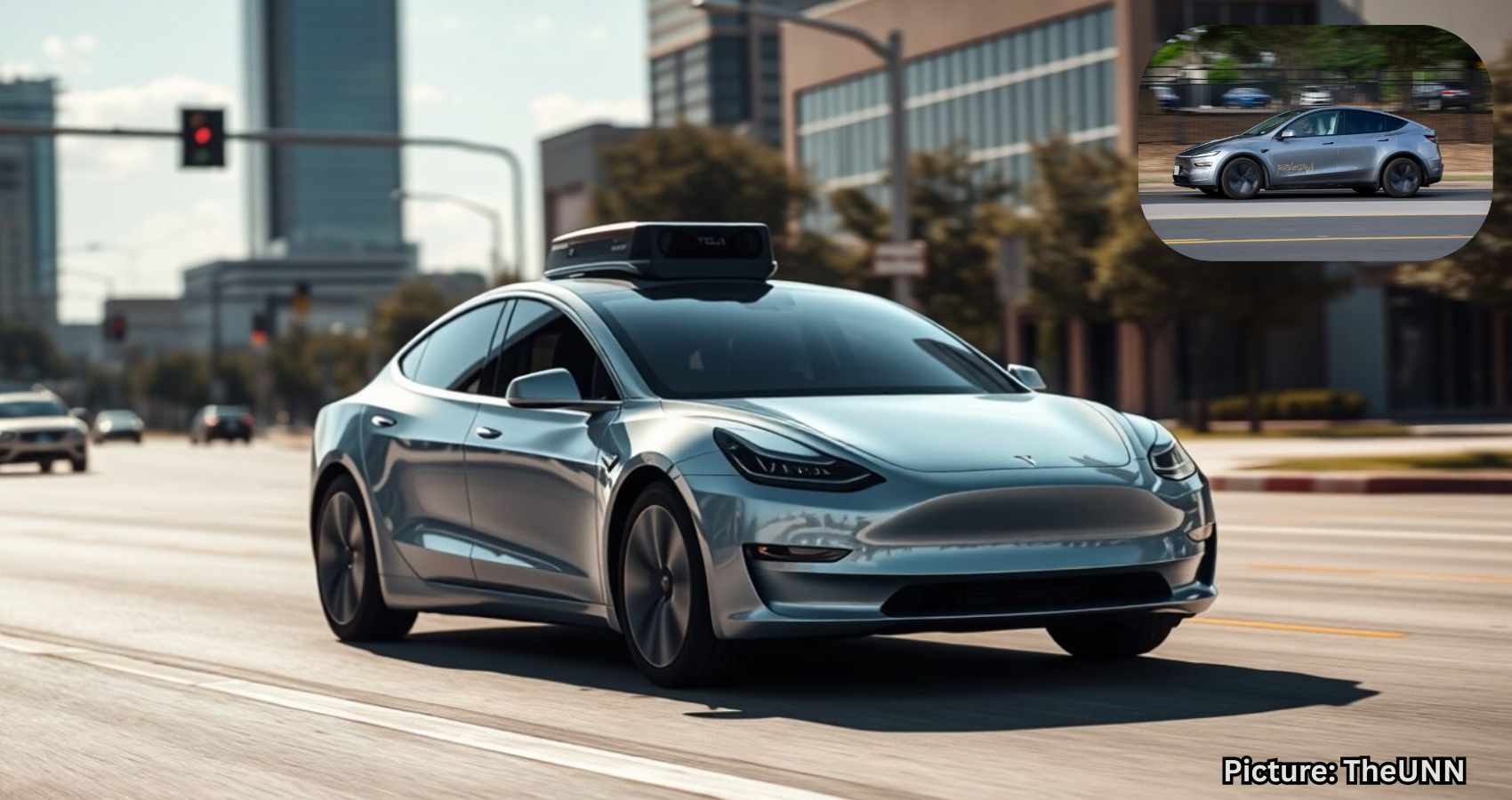
Tesla has launched its robotaxi service in Dallas and Houston, aiming to enhance urban transportation options while navigating regulatory challenges.
Tesla Inc. has officially launched its robotaxi service in Dallas and Houston, marking a significant step in the company’s efforts to reshape urban transportation and meet the growing demand for autonomous vehicle technology. Announced on October 25, 2023, this initiative is designed to provide an alternative mobility solution while offering potential income opportunities for Tesla vehicle owners through ride-sharing.
The newly introduced robotaxi service enables Tesla owners to utilize their vehicles as autonomous taxis when they are not in personal use. This program leverages Tesla’s Full Self-Driving (FSD) technology, which employs advanced artificial intelligence and machine learning algorithms to navigate urban environments autonomously. The service aims to enhance transportation efficiency, reduce traffic congestion, and minimize carbon emissions in densely populated areas.
Initially, the robotaxi operations will be limited to designated zones within Dallas and Houston, where the technology can be safely and effectively deployed. According to Tesla, this service seeks to address the increasing urban transportation demands as cities face challenges related to rising populations and traffic issues. The company has emphasized its commitment to safety and efficiency, utilizing real-time data to optimize the operation of its autonomous vehicles.
The demand for innovative transportation solutions has surged in recent years, driven by rapid urbanization and growing environmental concerns. Data from the U.S. Census Bureau indicates that over 80% of the American population currently resides in urban areas, where traditional transportation systems often struggle to meet increasing needs. As metropolitan regions contend with heightened traffic and pollution, the introduction of services like Tesla’s robotaxi could play a crucial role in developing sustainable transportation alternatives.
The global autonomous vehicle market is projected to reach approximately $60 billion by 2030, propelled by technological advancements and changing consumer attitudes toward mobility. By entering this market, Tesla aims not only to establish itself as a leader in the autonomous vehicle sector but also to leverage its existing customer base and brand recognition. Other automakers and technology companies are also actively investing in autonomous vehicle capabilities, intensifying competition in this rapidly evolving field.
Despite its potential benefits, the implementation of autonomous vehicle services encounters numerous regulatory challenges. The National Highway Traffic Safety Administration (NHTSA) closely monitors the progress of self-driving technology, prioritizing safety as a critical concern. As Tesla rolls out its robotaxi service in Texas, it must navigate a complex regulatory environment that varies significantly across states, including compliance with local transportation laws and safety regulations.
Texas is generally viewed as having a more favorable regulatory stance on autonomous vehicles compared to other states that have imposed stricter restrictions. However, the state is not without its challenges. Public apprehension regarding the reliability of autonomous driving systems and a history of safety incidents involving Tesla’s FSD technology have raised concerns. Investigations into accidents involving Tesla vehicles operating under autonomous conditions have added to the scrutiny surrounding the company’s technology.
The response from consumers in Dallas and Houston regarding the new robotaxi service remains to be fully assessed. However, initial reactions from existing Tesla owners have been positive, with many expressing enthusiasm about the opportunity to generate income from their vehicles. For some, this service offers a novel approach to offsetting the costs associated with car ownership while contributing to a more sustainable transportation ecosystem.
Market analysts suggest that the successful implementation of Tesla’s robotaxi service could solidify the company’s position as a dominant player in the autonomous vehicle market. Nevertheless, the company must remain vigilant in addressing safety concerns and regulatory hurdles moving forward. Continuous innovation will also be essential for Tesla to maintain its competitive edge amidst the growing presence of rival companies developing similar autonomous technologies.
In conclusion, Tesla’s expansion of its robotaxi service into Dallas and Houston signifies a pivotal step in its broader mission to integrate autonomous technology into urban transportation. The success of this initiative will largely depend on the company’s ability to navigate the multifaceted regulatory landscape, address consumer concerns about safety, and deliver a reliable and efficient transportation alternative that meets the evolving needs of urban residents, according to Source Name.