
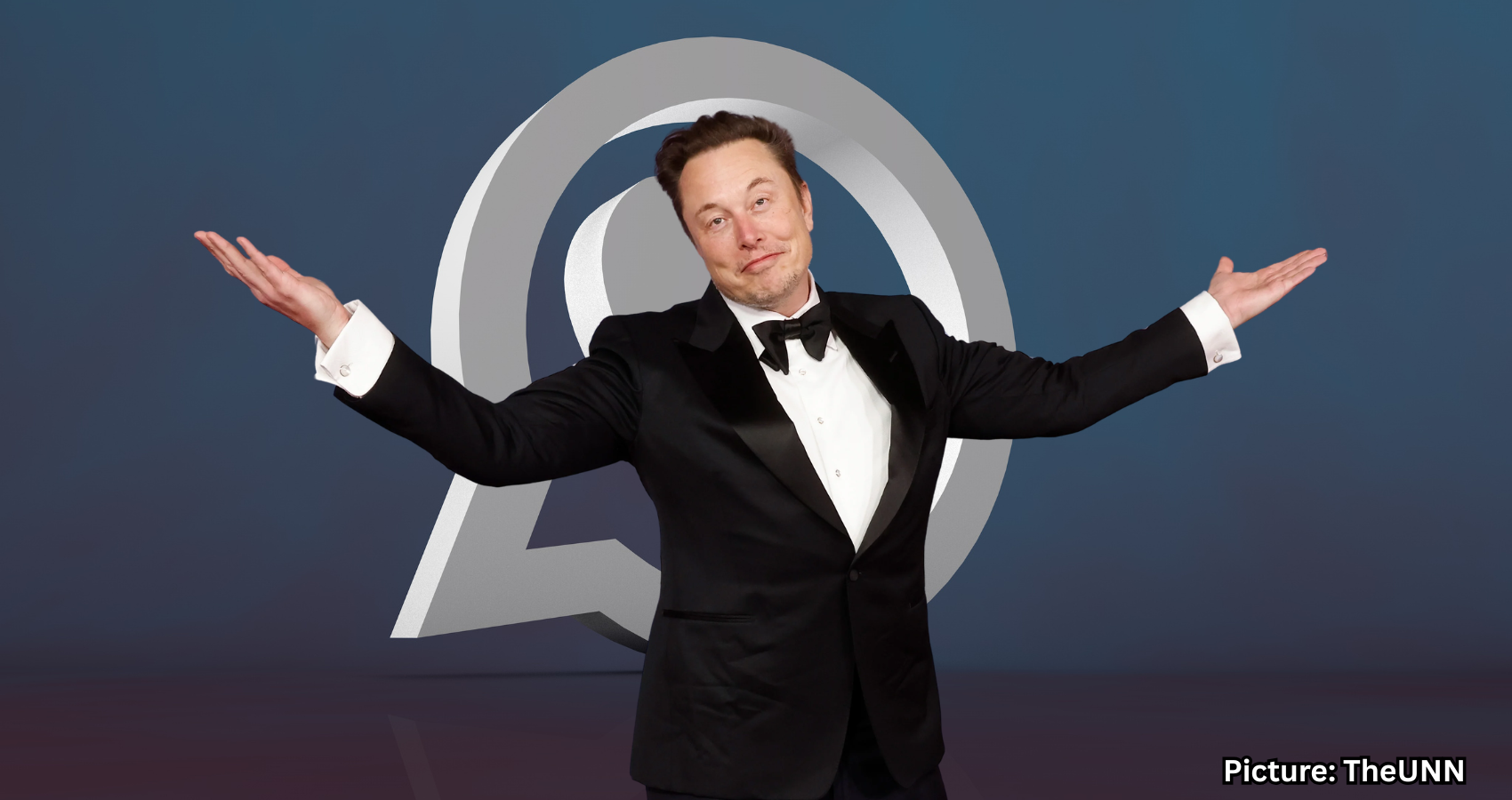
Elon Musk criticized WhatsApp amid a class action lawsuit that raises significant privacy concerns regarding the Meta-owned messaging platform.
Elon Musk recently targeted WhatsApp on his social media platform, X, as the Meta-owned messaging service grapples with a class action lawsuit centered on privacy issues.
In a response to a post by user @cb_doge, Musk stated, “Can’t trust WhatsApp.” His comments come as the lawsuit, filed in early April in a California federal court, accuses Meta Platforms and WhatsApp of infringing on user privacy by allegedly permitting internal employees and third-party contractors to access private user messages.
The plaintiffs contend that while WhatsApp is marketed as an end-to-end encrypted messaging service—meaning that only senders and recipients can read the messages—the complaint alleges that internal systems may allow limited access to message content under certain circumstances.
According to the lawsuit, this access is purportedly utilized for purposes such as fraud detection, content moderation, and compliance with legal requests. However, the plaintiffs argue that these systems may extend beyond what is necessary, potentially granting Meta staff and outsourced contractors, including firms like Accenture, access to message data that users believed to be completely private. Furthermore, the lawsuit claims that users were not adequately informed about the existence of such access mechanisms, which they argue could constitute misleading privacy representations.
The case also references whistleblower allegations, which have not been independently verified in court, suggesting that internal tools or workflows might allow employees to retrieve or review message content in specific situations. The lawsuit argues that WhatsApp’s public assertion that “not even WhatsApp” can read users’ chats may be misleading if any internal access pathways exist.
Meta and WhatsApp have firmly denied the allegations, asserting that the platform employs end-to-end encryption and that message content is not accessible during normal operations. They characterize the lawsuit as inaccurate and reject the claim that private messages are routinely read or intercepted.
As the case is still in its early stages, none of the allegations have been proven in court, and the legal process is ongoing.
For WhatsApp, the immediate concern is less about the potential legal outcomes and more about public perception. Messaging applications rely heavily on the belief that conversations are private, and once that belief is called into question, users and regulators tend to scrutinize every aspect of data handling more closely. Even in the absence of a final judgment, sustained scrutiny can compel companies to enhance transparency regarding internal processes, tighten access controls, and clarify how human review systems interact with automated security tools.
For Elon Musk and X, the situation presents an opportunity to reinforce a long-standing narrative that positions X as an alternative ecosystem for users who may lose confidence in competing platforms. Public criticism of rivals also serves a strategic branding purpose, bolstering Musk’s broader message about openness and skepticism toward traditional tech incumbents.
However, this scrutiny also places X under similar expectations, as users and regulators often extend the same privacy inquiries to any major communication platform. The significance of this moment lies in its illustration of the fragility of trust in large-scale messaging services.
According to The American Bazaar, the ongoing developments in this case will likely shape the future landscape of digital communication and user privacy.