
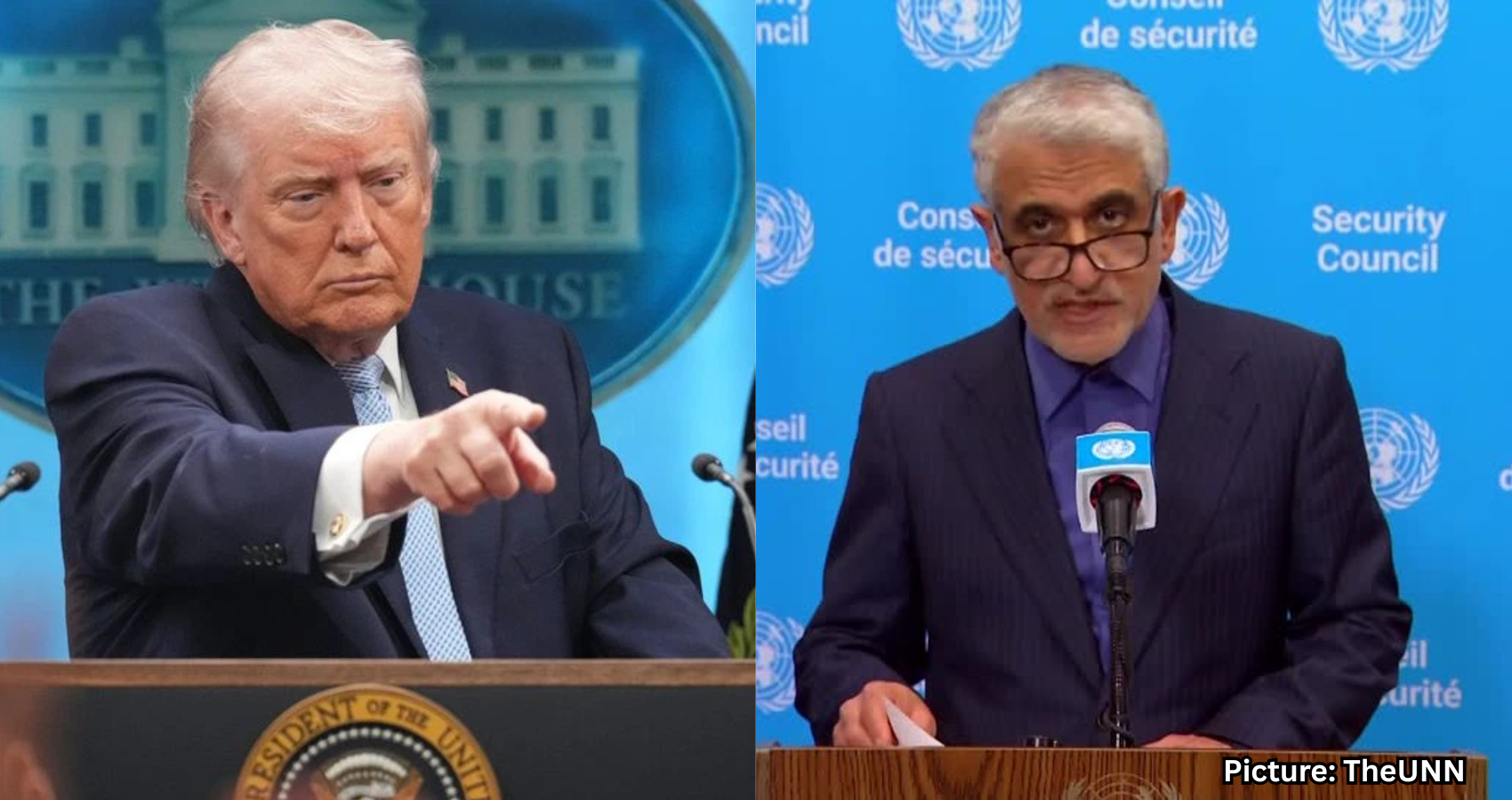
The upcoming US-Iran peace talks in Islamabad face significant challenges, including tensions in the Strait of Hormuz, sanctions relief, and ongoing conflicts in Lebanon, amid a fragile ceasefire.
The US-Iran ceasefire has temporarily halted direct military confrontations, yet deeper tensions continue to shape the geopolitical landscape of the region. As both nations prepare for high-stakes peace talks in Islamabad, unresolved issues threaten to destabilize the fragile truce.
Key flashpoints include maritime control in the Strait of Hormuz and the ongoing violence in Lebanon. While the ceasefire has opened a window for diplomatic engagement, mutual distrust persists, complicating the negotiations. This moment is viewed as critical; it could either lead to regional stabilization or escalate tensions further.
The upcoming talks, facilitated by Pakistan as a neutral mediator, represent the first significant diplomatic engagement since recent escalations in conflict. Despite lingering mistrust, both the US and Iran have agreed to participate in discussions aimed at addressing military tensions, economic sanctions, and regional conflicts involving allied groups.
Diplomats suggest that these talks will be a litmus test for whether the ceasefire can transition into a more comprehensive and sustainable peace framework.
Negotiators face several major challenges that could influence the outcome of the discussions. Among these are disputes over the Strait of Hormuz, Iran’s demand for tolls on oil shipments, the US military presence in the region, sanctions relief, and the ongoing conflict in Lebanon. Additionally, disagreements surrounding Iran’s nuclear program add further complexity to the negotiations. Each of these issues is intricately linked to national security and economic interests, and if not addressed carefully, the ceasefire could quickly unravel despite ongoing diplomatic efforts.
The Strait of Hormuz remains a critical flashpoint in the current crisis. Iran has tightened its control over this vital waterway, at times restricting movement and requiring coordination with its naval forces. This narrow channel is responsible for nearly 20% of the world’s oil supply, making it one of the most important global trade routes. Even minor disruptions in this area have led to fluctuations in global energy markets, and Iran’s actions suggest a desire to maintain strategic leverage as negotiations progress.
In a controversial move, Iran has proposed charging $1 per barrel for all oil and gas shipments passing through the Strait of Hormuz. This proposal could generate tens of millions of dollars daily for Tehran, which views it as a means to offset economic losses incurred from sanctions and war-related damages. However, this demand has raised serious concerns among global powers and shipping companies, positioning it as a significant issue in the upcoming talks.
The presence of US forces in West Asia remains another contentious point in the negotiations. Thousands of additional troops, along with aircraft and naval assets, continue to operate in the region. Iran has called for a reduction or complete withdrawal of these forces, arguing that their presence exacerbates tensions. Conversely, the United States maintains that its military deployment is essential for regional security, reflecting the broader strategic rivalry between the two nations.
Sanctions are also a pivotal issue for Iran. The country has demanded the removal of all primary US sanctions as part of any long-term agreement. Former US President Donald Trump stated, “We are, and will be, talking Tariff and Sanctions relief with Iran.” However, Washington has yet to commit to lifting these restrictions. The resolution of this issue will significantly impact Iran’s economy and could influence Tehran’s willingness to make further concessions.
Additionally, the situation in Lebanon poses a major challenge to the ceasefire. Israel has continued military operations against Hezbollah, even in the wake of the US-Iran truce. Iran insists that any ceasefire must include a halt to attacks on its allies, including Hezbollah. However, both the US and Israel have rejected this interpretation, increasing tensions and raising the risk of expanding the conflict beyond its current scope.
Iran’s nuclear program remains one of the most sensitive topics in the negotiations. Tehran asserts its right to enrich uranium for civilian purposes, while the United States seeks stricter controls and greater oversight. Trump has described Iran’s proposal as a “workable” plan but continues to advocate for limitations. Bridging this gap will be essential for any long-term agreement between the two sides.
As the ceasefire remains fragile, multiple disputes continue to unfold simultaneously. While military activity has slowed, tensions remain high across the region. Global markets, particularly in the energy sector, are closely monitoring developments in the Strait of Hormuz. Meanwhile, ongoing regional conflicts, such as that in Lebanon, complicate diplomatic efforts. The coming days will be critical in determining whether the talks can yield meaningful progress.
The first round of US-Iran peace talks is scheduled to begin Saturday morning (local time) in Islamabad. The US delegation will be led by Vice President JD Vance, alongside senior officials, including special envoy Steve Witkoff and advisor Jared Kushner. Reports indicate that Iran’s delegation may be led by senior leadership figures, including Parliament Speaker Mohammad Bagher Ghalibaf. Preparations for the talks are underway, with Iran’s team expected to arrive in Islamabad ahead of the discussions, likely by Thursday night. Security measures in Islamabad have been significantly heightened to ensure the safety of the delegations.
The outcome of the Islamabad talks will be pivotal in determining whether the ceasefire can develop into a broader peace agreement. If both sides can make progress on key issues, tensions may ease in the coming weeks. However, failure to resolve major disputes could lead to renewed conflict, particularly given the ongoing tensions in Lebanon and the Strait of Hormuz. For now, the region remains on edge, with diplomacy and confrontation continuing to coexist.
According to The Sunday Guardian, the stakes are high as both nations navigate these complex negotiations.