
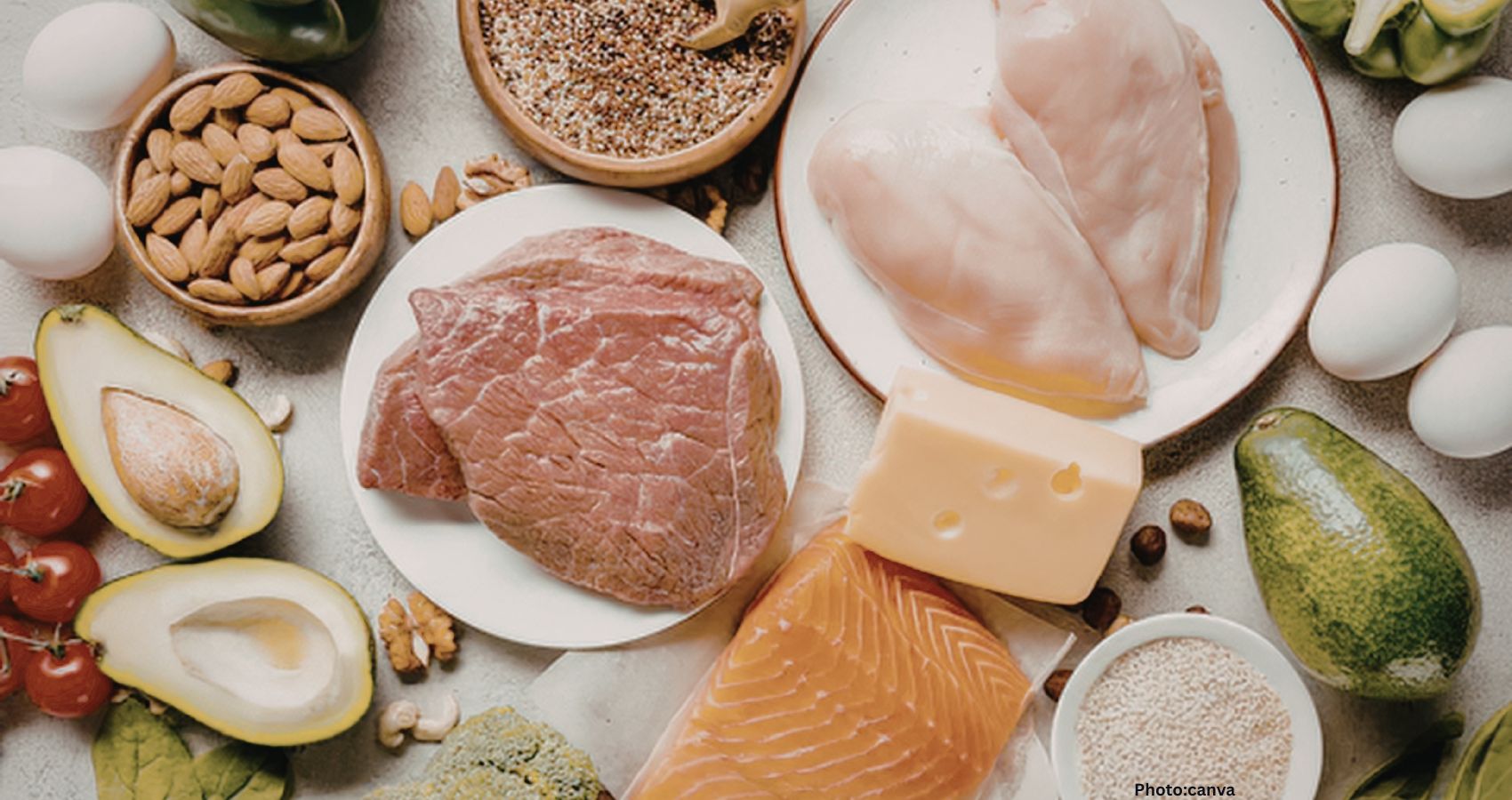
A new study suggests that a high-protein diet rich in casein and wheat gluten may significantly reduce cholera infection levels, potentially offering a simple preventive measure against this deadly disease.
A recent study from the University of California, Riverside, has revealed that a high-protein diet can effectively “disarm” cholera bacteria, reducing infection levels by up to 100-fold. This groundbreaking research, published in the journal Cell Host and Microbe, highlights the potential of common pantry staples in combating a disease that can quickly become life-threatening.
Cholera, a bacterial disease primarily spread through contaminated water and food, can lead to severe diarrhea, dehydration, and even death if left untreated. The Centers for Disease Control and Prevention (CDC) emphasizes the importance of prevention and treatment, especially as global cases surge, straining the supply of oral cholera vaccines.
The research team sought to understand how dietary changes could influence the response of harmful bacteria, similar to the effects seen with other bacteria. They conducted experiments with infected mice, providing them with various diets. Some mice received high-protein diets, while others were fed high in simple carbohydrates or high-fat diets.
According to Ansel Hsiao, an associate professor at UCR and the study’s senior author, the high-protein diet demonstrated one of the most significant anti-cholera effects compared to a balanced diet. Notably, casein, the primary protein found in milk and cheese, and wheat gluten emerged as the most effective components. Hsiao expressed surprise at the magnitude of the findings, noting that the study revealed up to 100-fold differences in cholera colonization based solely on diet.
The researchers discovered that cholera bacteria utilize a microscopic, syringe-like structure to inject toxins that kill beneficial microbes in the gut. In their study, casein and gluten effectively obstructed this “syringe,” rendering cholera unable to compete effectively within the gut environment.
While the World Health Organization (WHO) has underscored that cholera is preventable and treatable, the rising number of cases has heightened the urgency for diversified treatment strategies. Experts warn that an overreliance on antibiotics could lead to the emergence of drug-resistant “superbugs.” Although cholera has not yet reached a crisis point regarding antibiotic resistance, the bacteria’s adaptability raises concerns about the long-term efficacy of current medications.
Hsiao pointed out that dietary strategies do not contribute to antibiotic resistance in the same manner as pharmaceuticals. This suggests that food-based prevention could serve as a safer, more sustainable option for vulnerable communities. “Wheat gluten and casein are recognized as safe in a regulatory sense, making them easier to incorporate into public health strategies,” he stated.
The next phase of research will focus on the effects of these proteins in humans. Currently, the study’s limitation lies in its preclinical nature, as it only demonstrates the impact of diet on cholera in mice. Hsiao and his team have yet to determine the necessary amounts of casein or wheat gluten that an individual would need to consume to achieve a protective effect.
Additionally, researchers will investigate whether these proteins must be consumed prior to exposure to cholera for preventative benefits or if they can effectively mitigate an active infection. Hsiao emphasized the broader implications of improving dietary habits, stating, “The more we can enhance people’s diets, the better we may protect them from succumbing to disease.”
This study opens new avenues for exploring dietary interventions as a means to combat cholera, potentially transforming public health approaches in regions where the disease remains a significant threat, according to Fox News.