
Experts warn that the UK may face a new form of warfare from Russia, characterized by cyberattacks and sabotage, as tensions between NATO and Moscow escalate.
As tensions between Russia and NATO continue to rise, experts are sounding alarms about the potential for Britain and other European nations to face significant disruptions without a conventional military attack. The threats could manifest in various forms, including cyberattacks, sabotage of critical infrastructure, and damage to undersea communication cables.
Security officials across Europe have increasingly expressed concerns regarding Russia’s alleged covert activities targeting Western nations. These fears have prompted discussions about a new era of hybrid warfare, where the lines between military and non-military actions blur.
Historian Margaret MacMillan, author of “War: How Conflict Shaped Us,” highlighted the evolving nature of conflicts in an interview with the BBC. She noted that future confrontations may not necessarily begin with traditional military maneuvers, such as tanks crossing borders. Instead, she pointed to the vulnerability of undersea cables and the computer systems that support essential services, emphasizing that asymmetric and cyber warfare capabilities are expanding rapidly.
MacMillan also remarked that Western societies have grown accustomed to viewing peace as the default state, which may leave them psychologically unprepared for the possibility of conflict encroaching on their territory.
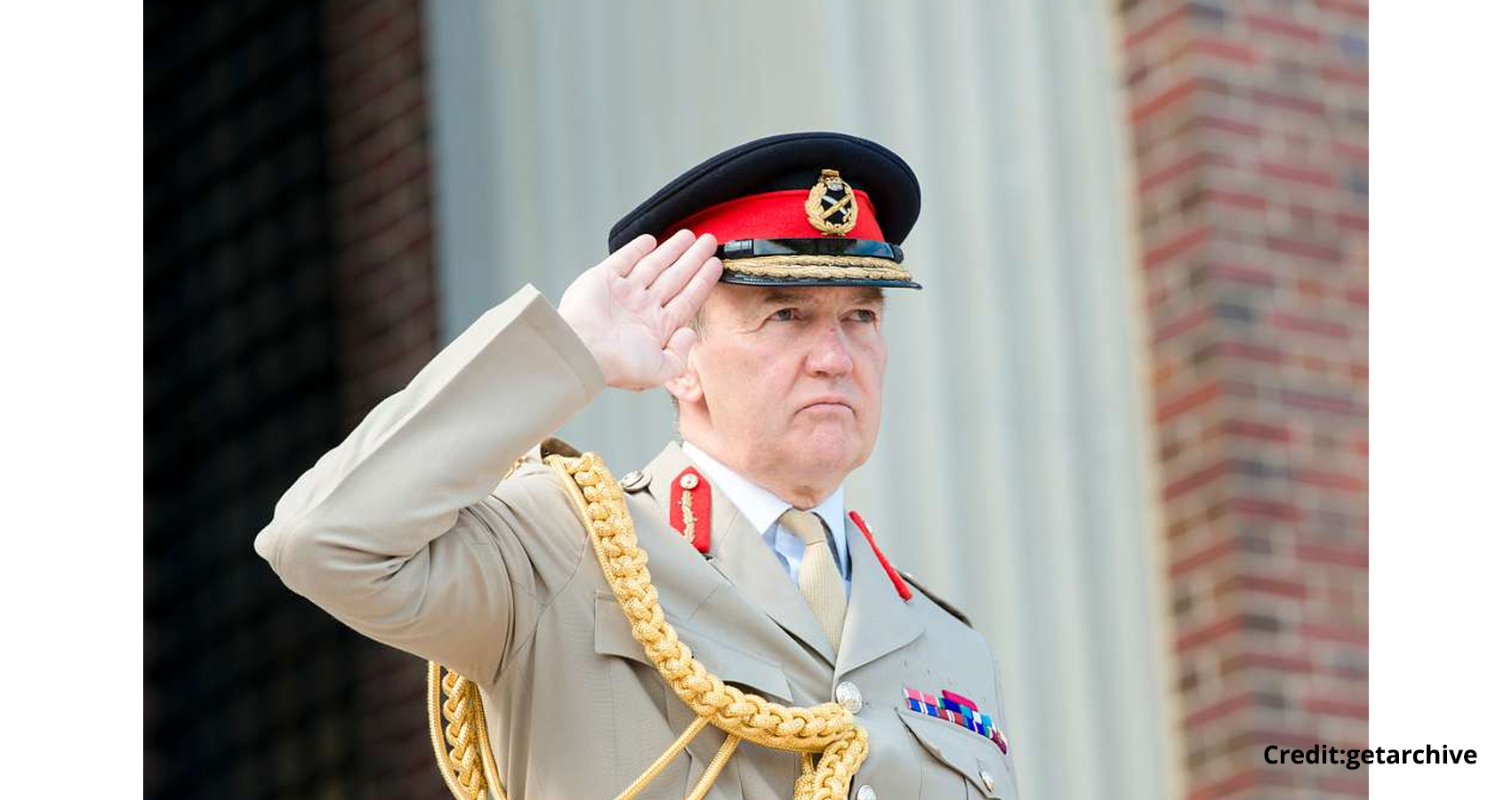
Retired British Army General Sir Richard Shirreff echoed these sentiments, cautioning that the confrontation between Russia and the West should not be viewed solely through the lens of conventional warfare. He argued that Russia’s actions since the onset of its war against Ukraine in 2014 signify a broader confrontation with NATO. Shirreff suggested that Moscow might opt for indirect actions to challenge the alliance, rather than launching a large-scale conventional attack. He pointed to the potential for Russia to target vulnerable locations or test NATO’s response through limited operations.
European security officials have increasingly raised alarms about hybrid warfare tactics, which include sabotage, cyber operations, and influence campaigns. These operations could create significant disruption while remaining below the threshold of outright conventional war between Russia and NATO.
Polish Prime Minister Donald Tusk has also shared intelligence with Western partners indicating that Russia could potentially launch a drone or missile attack against NATO territory in the coming months. Such an attack could serve to test the credibility of NATO’s Article 5, which stipulates that an armed attack against one member is considered an attack against the entire alliance.
The implications of a Russia-NATO conflict for Britain could be profound. A confrontation may not necessarily begin with direct attacks on military bases or troops. Instead, Britain could face disruptions to the critical infrastructure that civilians and businesses rely on daily.
Potential targets for such disruptions could include undersea communication cables, energy and other critical infrastructure, computer networks and government systems, telecommunications, transport infrastructure, and financial services.
Andrew Michta, a Polish-born American academic and professor of strategic studies at the University of Florida’s Hamilton School, argued that Britain is inadequately prepared for the evolving security landscape. He emphasized the need for political leaders to communicate the seriousness of the situation to the public.
The warnings from experts highlight a broader challenge for European governments: the necessity of preparing not only their armed forces but also civilian infrastructure and populations for forms of conflict that can disrupt daily life without a traditional battlefield.
As the situation continues to develop, the focus on hybrid warfare tactics underscores the importance of vigilance and preparedness in the face of potential threats from Russia.
According to The Sunday Guardian, the evolving nature of warfare necessitates a reevaluation of how nations approach security in an increasingly complex global landscape.