
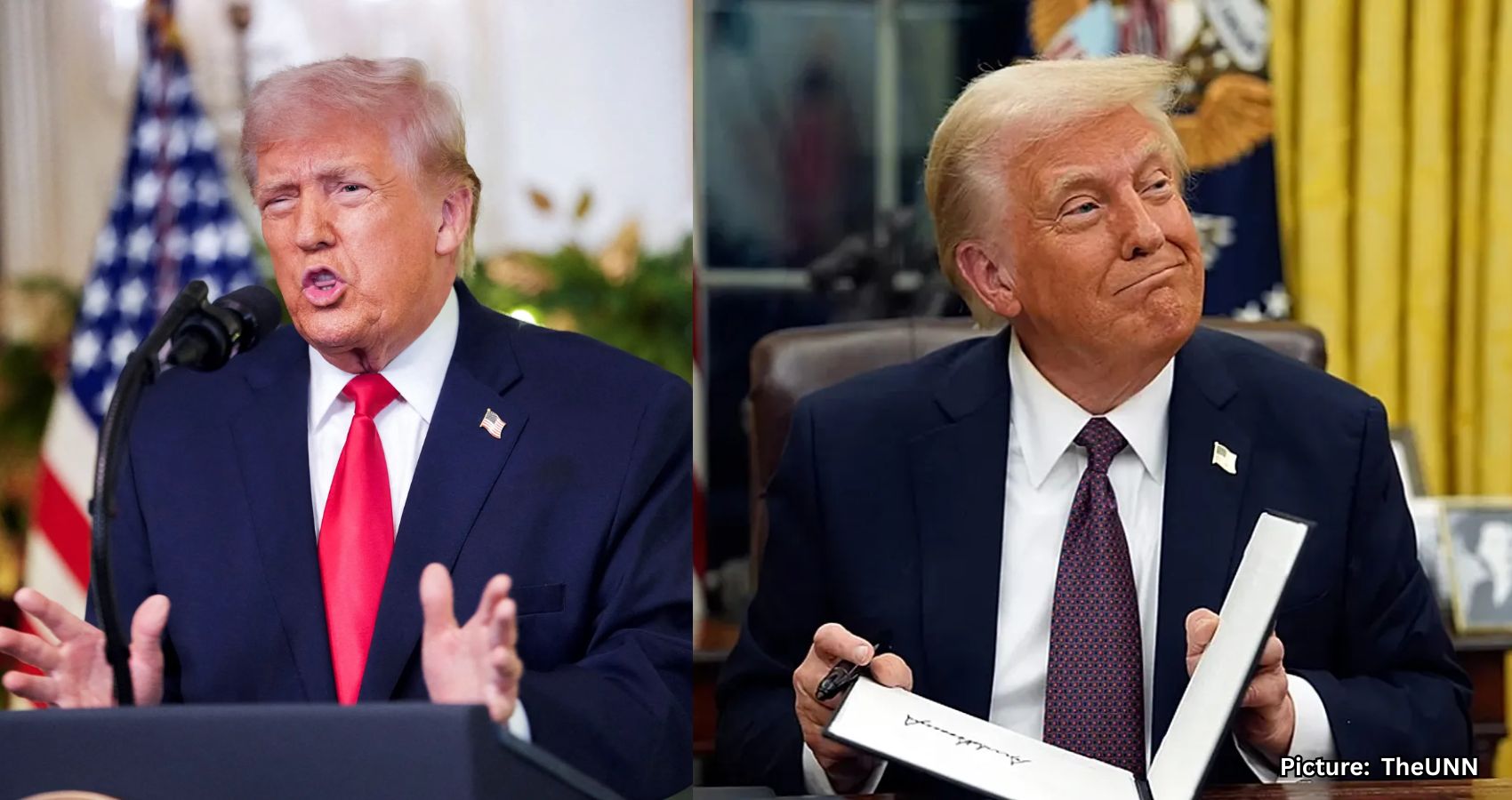
President Trump has announced a one-year delay on planned tariff increases for certain home goods, providing relief to consumers and businesses amid ongoing trade negotiations.
In a move aimed at easing economic pressures, President Donald Trump signed a proclamation on New Year’s Eve to postpone higher tariffs on select home goods for one year. This decision impacts products such as upholstered furniture, kitchen cabinets, and vanities, which were set to face increased tariffs starting January 1, 2026.
Under the new proclamation, the existing 25% tariffs will remain in effect, while the planned increases—30% on furniture and 50% on cabinets and vanities—have been delayed until January 1, 2027. The White House cited ongoing trade negotiations and the need to alleviate potential cost pressures on consumers and businesses as key reasons for this delay.
This postponement provides retailers, distributors, and manufacturers with additional time to strategize regarding pricing, sourcing, and inventory management under the current tariff structure. Analysts suggest that maintaining the existing rates will help businesses avoid sudden cost increases while trade discussions continue.
The decision aligns with Trump’s broader approach to tariffs, which has involved selectively imposing, postponing, or adjusting rates to balance domestic economic interests with international negotiations. For consumers, this delay temporarily mitigates immediate price hikes on home goods, although the ultimate effects will depend on domestic demand and global supply chain dynamics.
The proclamation underscores the ongoing influence of executive action in shaping U.S. trade policy. By delaying the tariff increases, the administration aims to alleviate immediate price pressures on households and support domestic industries reliant on imported goods.
However, the long-term implications of this delay for trade negotiations and industry strategies remain uncertain. The broader economic impacts for consumers and manufacturers are still difficult to predict. It is also unclear whether the postponed tariffs will ultimately affect future trade agreements or provoke responses from trading partners.
This situation illustrates the ongoing flexibility and tactical use of tariffs as tools for achieving economic and political objectives. Decisions regarding tariffs can have far-reaching consequences, influencing supply chains, manufacturing, pricing, and international competitiveness.
Policymakers must carefully consider the potential benefits of protecting domestic industries against the unpredictable reactions of global markets. The outcomes of such decisions are often challenging to foresee.
For businesses, the delay presents opportunities for planning and adaptation, but it also necessitates continuous vigilance in monitoring international developments and policy changes. While consumers may enjoy short-term price stability, future fluctuations in trade policy could still lead to unexpected costs.
This recent tariff relief highlights the complexities of trade policy and its direct impact on both consumers and businesses across the nation, as the administration navigates the intricate landscape of international trade relations.
According to The American Bazaar, this decision reflects the administration’s ongoing efforts to balance domestic economic needs with the realities of global trade negotiations.