
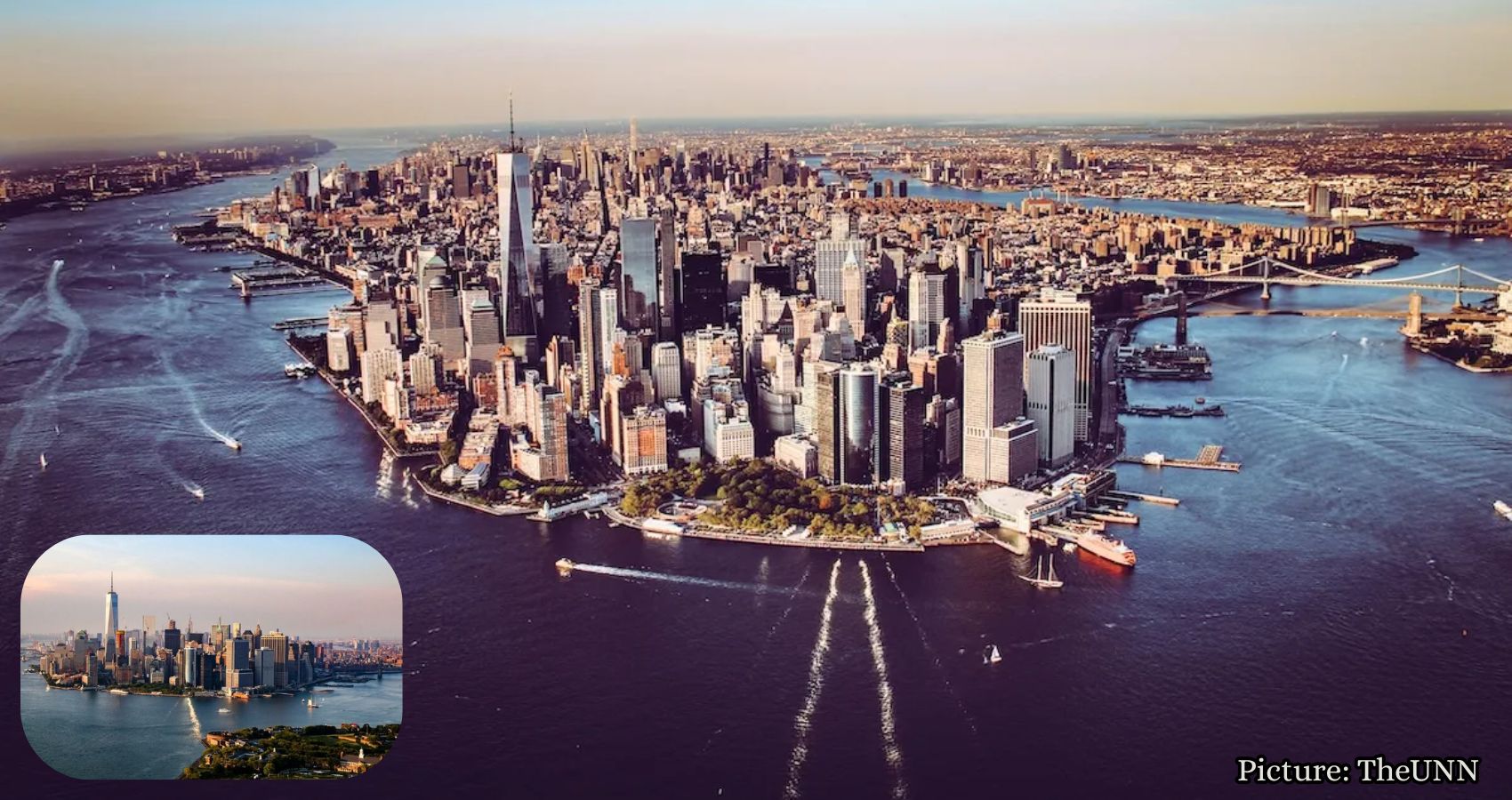
Reflections on the profound impact of 9/11 reveal a journey of grief, identity, and belonging for an immigrant navigating the complexities of becoming American.
The early morning hours of September 11, 2001, marked a turning point in American history and in the life of many individuals, including myself. An unexpected phone call from a dear friend in Texas jolted me awake to a world that had irrevocably changed. “Did you see?” she asked, urgency in her voice. “Turn on the TV!”
As I turned on the screen, the nightmare scenes unfolded before my eyes, and I wished it were all a dream that would dissipate with the morning fog. Twenty-two years later, we are still grappling with the lasting effects of that day, waiting for the fog of 9/11 to lift.
My memories of that day are a blend of clarity and confusion. I recall the gasps of disbelief and the overwhelming urge to weep alongside my colleagues. We spent the day in our offices, browsing the internet in a shared silence, absorbing the gravity of the moment. Our CEO visited us, urging everyone to cancel meetings and take care of ourselves before attending to our healthcare clients. It was a day that transcended political divides; there was no Blue or Red America, only a united front in the face of tragedy.
Having moved to the United States from India five years prior to 9/11 for my graduate studies, I had a unique perspective on what it meant to be American. While I appreciated the clean air and the diversity of my university town in Manhattan, Kansas, I was not swept away by the symbols of patriotism that surrounded me. Instead, my sense of Americanness was shaped by the collective grief and shared history that emerged in the aftermath of that fateful day.
In the summer of 2002, I found myself in France, where the political climate had shifted against America due to its foreign policies. While dining outdoors near the Louvre, I overheard a waiter’s disdainful comment about a couple of visibly American tourists. I felt a surge of indignation and guilt, as if my silence made me complicit in the anti-American sentiment. However, when my husband and I paid our bill in U.S. dollars, the waiter’s realization of his error brought a sense of satisfaction.
Fast forward to 2024, I found myself once again near the Louvre, this time watching the opening ceremony of the Paris Olympics. By then, my husband and I were American citizens, and we eagerly anticipated the arrival of both the Indian and American delegations. The pride I felt as I cheered for Team USA, led by sports icons like Stephen Curry and Simone Biles, was overwhelming. It was a moment that encapsulated my immigrant journey, illustrating that belonging can encompass multiple identities.
In April 2002, I visited Ground Zero in New York City, a place that felt sacred. The site was still shrouded in the aftermath of tragedy, with makeshift memorials honoring the lives lost. I stood in disbelief, grappling with the pain humans can inflict upon one another. Despite my commitment to non-violence, I understood the nation’s desire for retribution.
Returning to the 9/11 memorial in 2016, shortly after becoming a citizen, I recognized the importance of preserving the memory of that day. The twin reflecting pools, set in the footprints of the original towers, symbolize the void left by the attacks. The underground museum houses artifacts that tell the story of resilience and loss, capturing the essence of that moment in history.
As I walked through the museum, I was struck by the juxtaposition of grief and commercialization, particularly in the gift shop filled with traditional souvenirs. After a moment of contemplation, I found myself purchasing a few tokens, pondering the complexity of American identity.
What does it mean to be American? For some, it is the pursuit of life, liberty, and happiness; for others, it is civic duty and participation in democracy. For many immigrants, it is the challenge of balancing assimilation with the preservation of one’s heritage. For me, being American is defined not by ancestry but by a commitment to shared values and a social covenant.
As I reflect on my journey over the past twenty-five years, I realize that the fog has lifted. The events of 9/11 shaped my understanding of what it means to belong, and my identity as an American continues to evolve.
According to India Currents, the experience of grief and resilience in the face of tragedy has become a defining aspect of American identity for many, including immigrants navigating their own paths.