
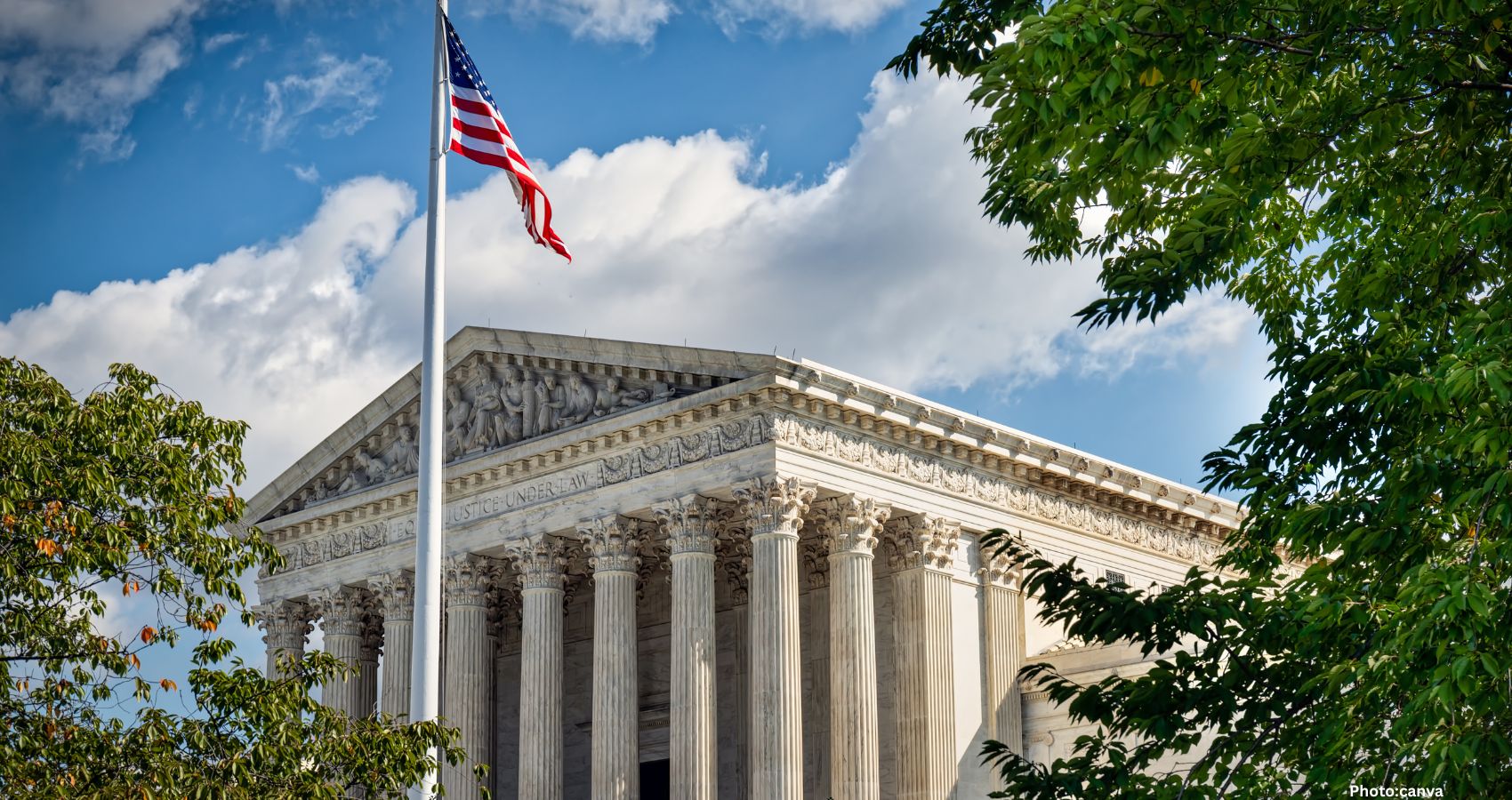
In a recent ruling, the Supreme Court struck down significant tariffs imposed by Donald Trump, leaving unresolved questions about refunds for over $130 billion already collected by the federal government.
In a decisive 6–3 ruling on Friday, the Supreme Court of the United States invalidated a substantial portion of tariffs that were enacted during Donald Trump’s presidency. This landmark decision has sparked a new legal dispute concerning more than $130 billion that has already been collected by the federal government.
While the ruling effectively dismantled key components of the tariff program, it did not clarify whether importers are entitled to refunds for duties they have already paid. The justices also refrained from providing any guidance on how such repayments, if mandated, should be executed. Consequently, the matter is expected to transition to the U.S. Court of International Trade, which specializes in customs-related disputes. Should refunds be ordered, they would be processed by U.S. Customs and Border Protection (CBP).
Speaking at the White House following the ruling, Trump expressed his disappointment with the court’s failure to address the refund issue. He criticized the justices for spending months on their opinion without clarifying whether the government should retain or return the funds. Trump predicted that this uncertainty would lead to prolonged litigation over the next several years.
In a dissenting opinion, Justice Brett Kavanaugh warned that resolving the refund question could become a “mess.” His concerns echoed those raised during oral arguments by Justice Amy Coney Barrett, who ultimately sided with the majority in striking down the tariffs. Kavanaugh noted that the court provided no direction on whether or how the government should repay importers, cautioning that returning billions of dollars could have significant implications for the U.S. Treasury.
Prior to the ruling, Trump and senior economic officials had repeatedly cautioned about the potential financial fallout. In a post on Truth Social last month, Trump claimed that overturning the tariffs could compel the government to repay “many hundreds of billions of dollars,” possibly even “trillions” when considering related investments.
Trade experts anticipate that any repayment process will be lengthy and complicated. Former Commerce Secretary Wilbur Ross predicted that further legal challenges would arise, suggesting that the administration might contest broad refund efforts. Scott Lincicome, vice president of general economics at the Cato Institute, noted that smaller importers could face disproportionate difficulties, lacking the resources to engage in extended litigation over refunds.
The Justice Department and various litigants have already requested that the trade court establish a steering committee to coordinate over 1,000 refund-related cases currently pending, a standard procedure in large-scale trade disputes.
In court filings, the Justice Department acknowledged that if the tariffs are ultimately found to be unlawful, importers would likely be entitled to refunds. Any payments would primarily be processed through CBP’s Automated Commercial Environment system as the agency transitions to fully electronic refunds.
Nazak Nikakhtar, a former official at the Commerce Department now affiliated with the law firm Wiley Rein, indicated that Customs is in the process of developing procedures to manage claims gradually. She cautioned that companies should not expect immediate repayments, especially those that did not negotiate independent tariff reimbursement agreements, as their avenues for recovery may be limited.
Industry groups are advocating for prompt action. The American Apparel & Footwear Association expressed confidence that CBP can provide clear guidance and act swiftly to return unlawfully collected duties.
However, Trump has signaled that refunds remain uncertain. When asked whether companies could anticipate repayments, he reiterated that the court’s ruling did not address the issue and forecasted extended litigation in the years to come.
This ongoing legal saga highlights the complexities surrounding tariff policies and their financial implications for importers, as the nation grapples with the fallout from the Supreme Court’s recent decision.
According to GlobalNetNews, the resolution of this matter is likely to take considerable time and may lead to further legal entanglements.