
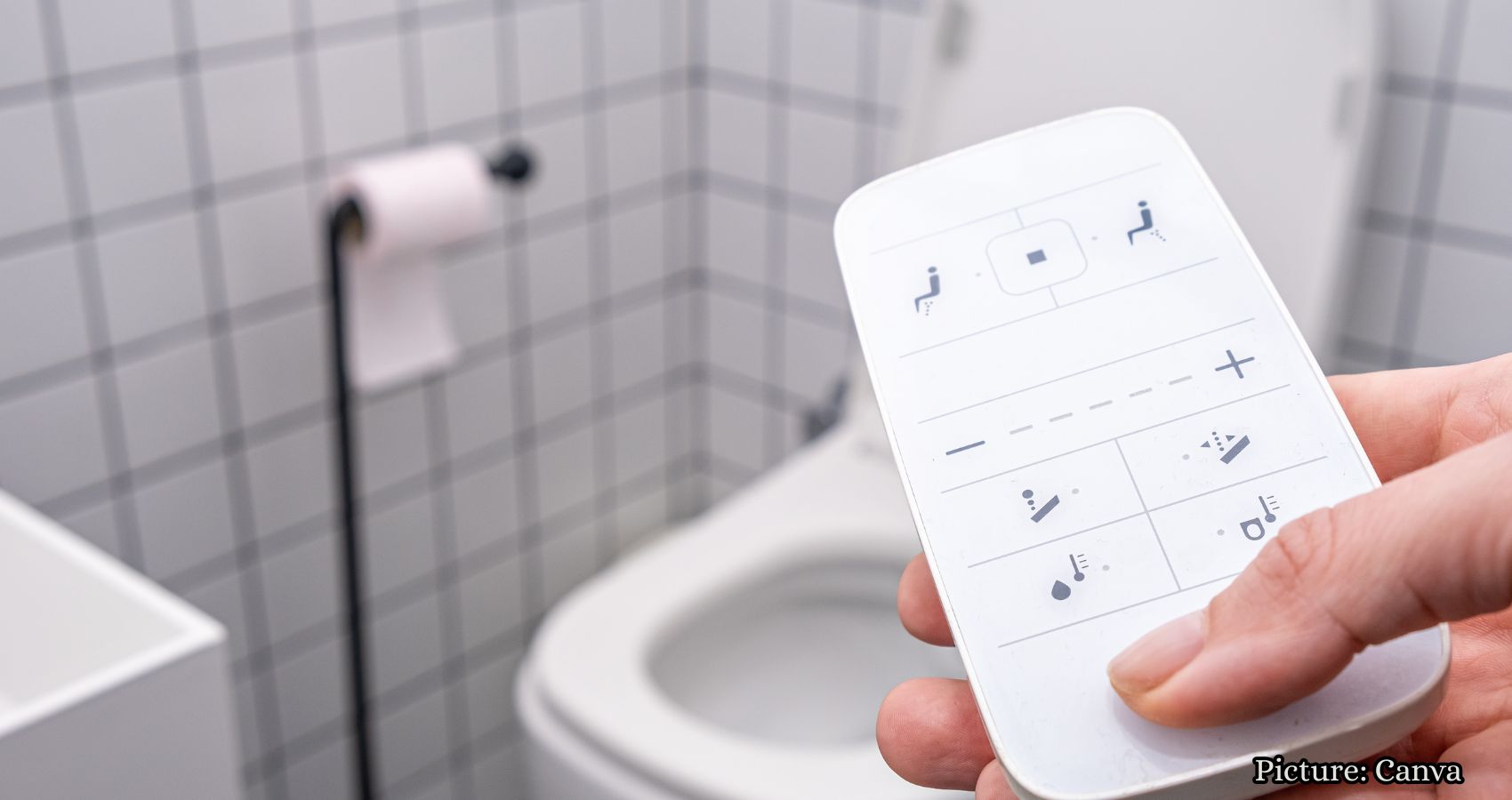
Your next bathroom break could soon include a heart rhythm check, thanks to the innovative HARO EKG-seat developed by Hamberger Medical.
The HARO EKG-seat, created by the German medical technology company Hamberger Medical, is designed to record a six-lead electrocardiogram (EKG) in just 30 seconds while you sit. This smart toilet seat scans for atrial fibrillation (AFib) and other irregular heartbeats, providing a convenient way to monitor heart health during a routine bathroom visit.
Unlike traditional medical EKGs, which require patients to lie down while electrodes are attached to their bodies, the HARO EKG-seat utilizes built-in sensors that capture electrical signals from the body while the user sits normally. After approximately 30 seconds, a connected smartphone app analyzes the data for signs of AFib, the most common type of irregular heartbeat. Millions of individuals may have AFib without experiencing noticeable symptoms, making this innovative approach to heart health particularly valuable.
The concept of a toilet seat that doubles as a heart monitor may seem unconventional, but it highlights the potential for integrating health monitoring into everyday activities. The HARO EKG-seat aims to provide a simple, user-friendly experience. Hamberger Medical reports that participants in usability testing, including individuals in their 90s, could operate the system without special instructions, suggesting that its ease of use could be one of its key advantages.
The device was evaluated in what the company refers to as the Hamberger Heart Study, where researchers compared the six-lead EKG data from the seat with a standard 12-lead medical EKG. Preliminary findings indicate a high level of agreement between the two systems in detecting AFib and other rhythm abnormalities. However, it is important to note that the complete results have not yet been published in an independently peer-reviewed medical journal. Consequently, the details regarding the study’s size, false alerts, and performance across different demographics remain unclear.
While the initial findings are promising, they do not definitively prove that the HARO EKG-seat can replace traditional hospital EKGs or a doctor’s diagnosis. AFib can lead to serious health complications, including an increased risk of stroke. The American Heart Association estimates that about 5 million Americans currently live with AFib, a number projected to exceed 12 million by 2030. Early detection is crucial, as it can guide doctors in determining the appropriate treatment or monitoring needed to restore a normal heart rhythm.
Dr. Paari Dominic, a cardiac electrophysiologist, emphasizes the importance of early intervention, noting that research supports the pursuit of normal rhythm within a year of detecting AFib in suitable patients. However, he cautions that a notification from a toilet seat should initiate a medical conversation rather than replace one.
Age is a significant risk factor for developing AFib, with other contributing factors including high blood pressure, diabetes, obesity, sleep apnea, and certain heart conditions. Lifestyle choices such as smoking and excessive alcohol consumption can also increase the risk. Interestingly, heavy drinking can sometimes trigger irregular heartbeats even in individuals without known heart conditions, a phenomenon often referred to as “holiday heart syndrome.”
As a heart-monitoring device, the HARO EKG-seat raises important questions about data privacy. According to Hamberger Medical’s app privacy policy, EKG processing occurs locally on the connected smartphone or tablet, and the company states that readings are not transmitted to its servers. Users can export a PDF report of their readings, but it is recommended to protect this file with a password before sharing. However, users should be aware that their phone’s backup settings may still upload app information to cloud services, depending on individual device configurations.
Currently, the HARO EKG-seat is not available for purchase in the United States. Hamberger Medical previously indicated that the device was sold exclusively through its official German online shop for approximately $2,870. Efforts to confirm current availability and pricing were unsuccessful before the publication deadline.
The HARO EKG-seat exemplifies how health monitoring can be seamlessly integrated into daily routines. While the reported results are encouraging, it is essential to approach the device’s automated AFib classification with caution. Users should not rely solely on app readings to make health decisions. Any abnormal notifications should prompt a consultation with a medical professional.
If you experience symptoms such as a racing or irregular heartbeat, recurring dizziness, or unexplained shortness of breath, it is crucial to contact your doctor. Chest pain or pressure may indicate a medical emergency, necessitating immediate attention.
In conclusion, the HARO EKG-seat represents an innovative step in health technology, transforming an ordinary bathroom fixture into a potential tool for monitoring heart health. While it offers a promising solution for detecting silent heart conditions, it is vital to remember that no consumer device can replace professional medical care. The integration of smart technology into health monitoring can enhance awareness and facilitate earlier intervention, ultimately benefiting patients and healthcare providers alike.
For further information on heart health and monitoring, consult your healthcare provider or visit reputable medical resources.
According to Hamberger Medical.