
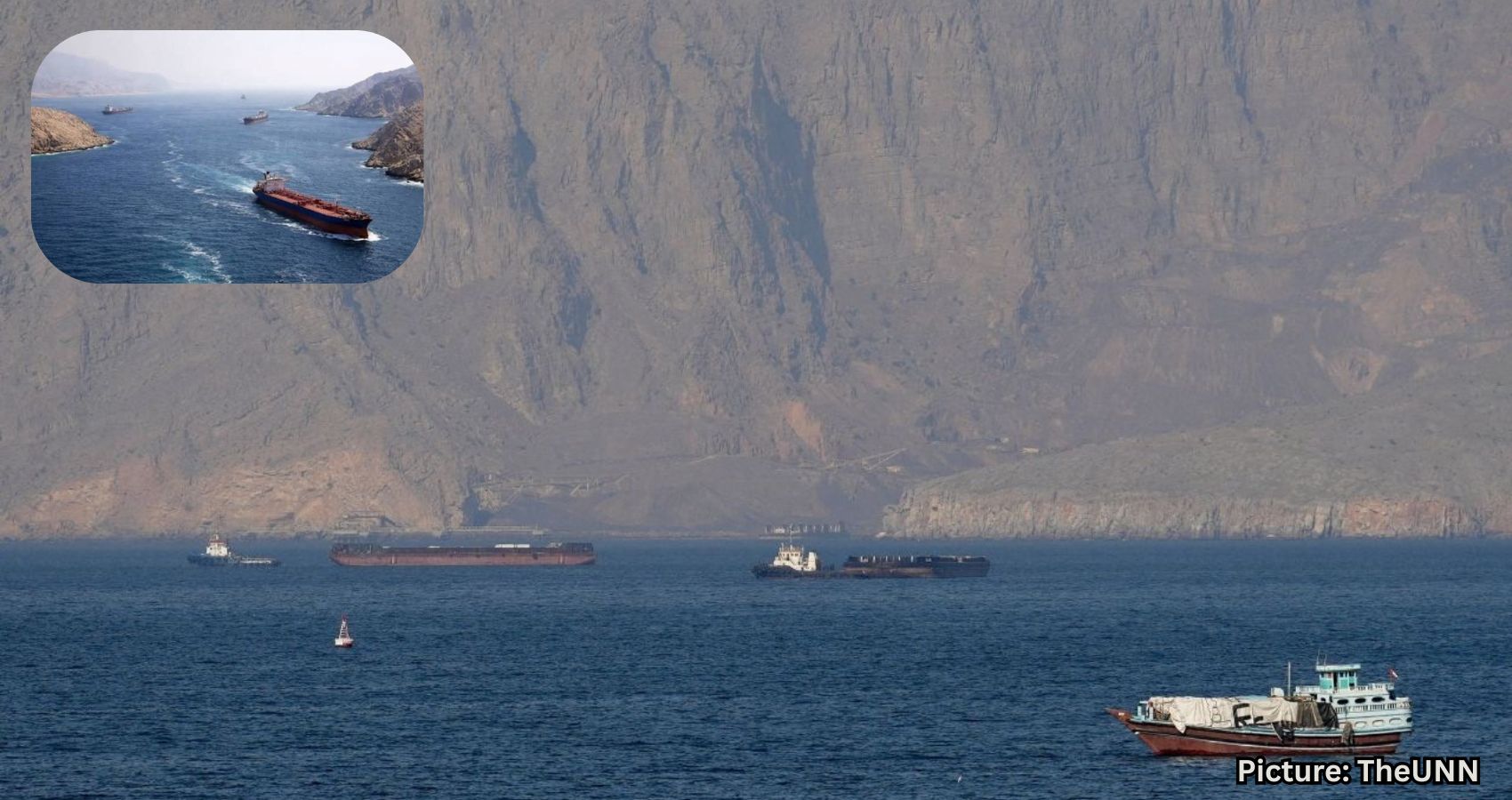
Hapag-Lloyd warns that escalating military tensions and conflicting directives have created a “new normal” of chaos in the Strait of Hormuz, impacting global shipping operations.
Hapag-Lloyd, a prominent German shipping company, has issued a stark warning regarding the evolving situation in the Strait of Hormuz, describing it as a “new normal” characterized by heightened risk and regulatory uncertainty. This assessment comes amid escalating military strikes and conflicting routing directives that have plunged the vital waterway into operational chaos.
The warning coincides with reports from maritime intelligence firm Windward AI, which indicated that Iran has begun moving millions of barrels of crude oil from Kharg Island for the first time in several days. Windward AI noted that both the T-Jetty and Western Terminal at Kharg were loaded simultaneously, marking a significant resumption of operations. The East Waiting Area is currently holding 28 tankers, 27 of which are dark, signaling the restart of Iranian crude exports.
According to analytics firm Vortexa, the outbound cargo includes approximately 4.12 million barrels of wet cargo, with about 3.91 million barrels classified as crude oil. This resumption of oil exports comes at a time when tensions in the region are particularly high.
“We have to acknowledge that this is for some months the new normal in the Persian Gulf region,” said Hanja Maria Richter, a spokesperson for Hapag-Lloyd AG. “The situation has been fluid for us since the beginning of the conflict.” She emphasized the importance of constant vigilance in operating within this volatile environment.
Richter explained that Hapag-Lloyd conducts regular risk assessments in collaboration with security partners, relevant authorities, and personnel both onshore and aboard their vessels. “It is a region in conflict, so we consider this with every single ship we move in the region and assess the risks for every vessel and its crew individually,” she added.
The backdrop to these developments includes recent airstrikes launched by U.S. Central Command (CENTCOM) against Iranian targets, including Qeshm Island, following an attack on a vessel in the strait. In retaliation, Iran’s Islamic Revolutionary Guard Corps (IRGC) targeted U.S. military sites in Kuwait and Bahrain, further escalating tensions in the region.
Compounding the risks is a struggle for control over transit lanes in the Strait of Hormuz. Lloyd’s List described the situation as a “confused, two-tier system” operating within the strait. This system is divided between the Iran-controlled northern route and a U.S.-protected southern “highway,” with pre-war routes rendered unusable due to the threat of mines.
Iranian Foreign Minister Abbas Araghchi stated that Iran is responsible for managing and fully reopening maritime traffic through the Strait of Hormuz, according to reports from Iran International. Iranian state television has indicated that passage through the strait requires coordination with the IRGC.
In light of these developments, Hapag-Lloyd has pushed back against any future attempts to monetize or weaponize passage through this critical global chokepoint. Richter asserted, “It would be fundamentally wrong to impose fees for passage through international waters.” She contrasted this with fees for infrastructure like the Suez Canal or Panama Canal, which reflect significant investments in infrastructure, a situation not applicable to the Strait of Hormuz.
As thousands of crew members remain caught in the crossfire of conflicting naval directives, Hapag-Lloyd has reported successful navigation through the initial bottleneck. “The good news is that we were able to have all Hapag-Lloyd vessels that were affected by the temporary closure of the Strait of Hormuz and had been waiting in the Persian Gulf depart safely from the Gulf,” Richter noted. She reiterated that “the safety of our crews is our highest priority.”
As the situation continues to evolve, the implications for global shipping and oil markets remain significant, with stakeholders closely monitoring developments in this strategically vital region.
According to Fox News Digital, the ongoing conflict and regulatory challenges are likely to persist, underscoring the need for heightened awareness and preparedness among shipping companies operating in the area.