
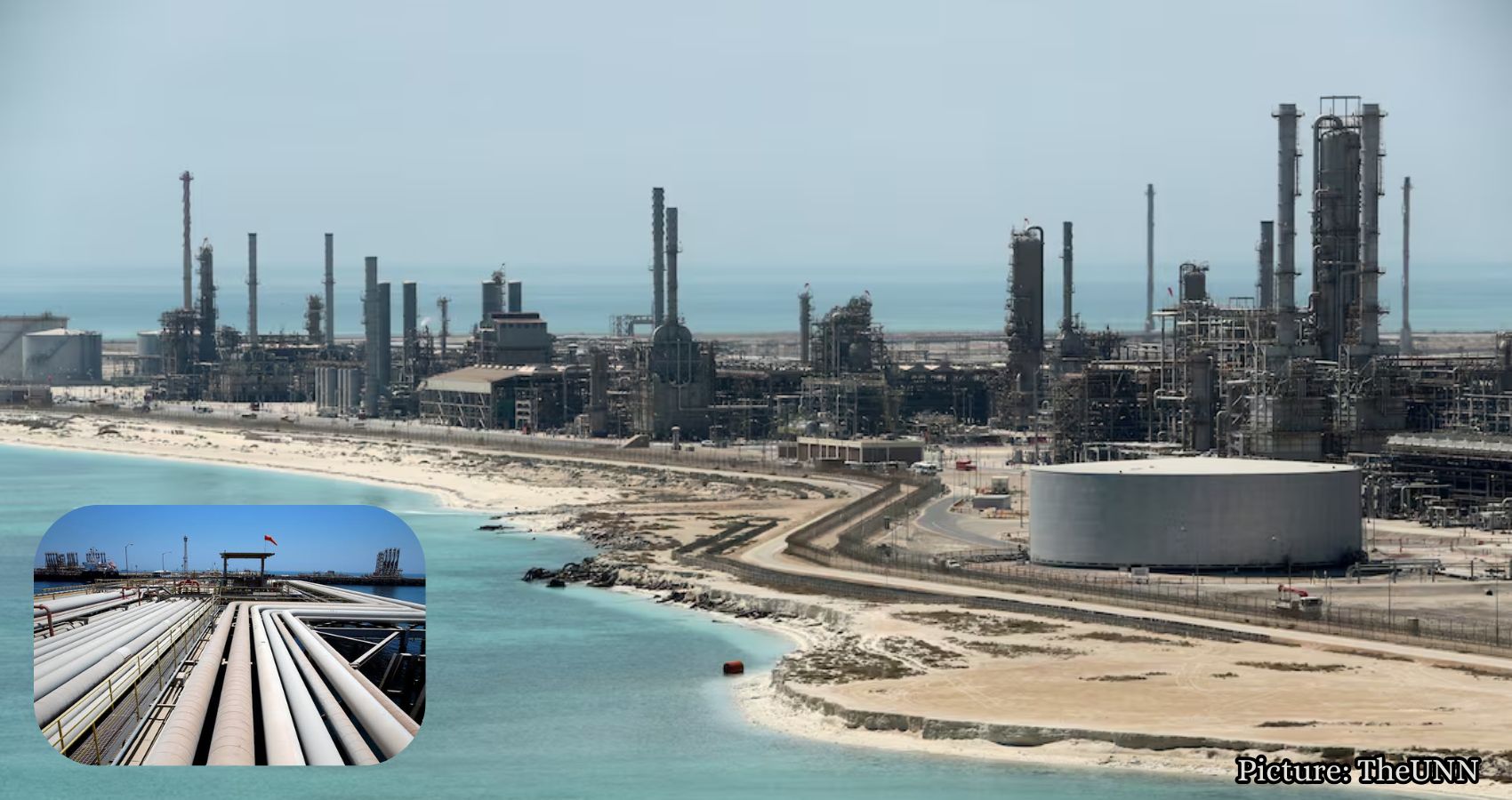
Saudi Aramco has resumed crude oil loading at its Ras Tanura terminal after a four-month disruption, indicating a recovery in Gulf oil exports amid ongoing security concerns in the Strait of Hormuz.
Saudi Aramco has officially resumed crude oil loading operations at its Ras Tanura terminal in the Arabian Gulf, marking the end of a nearly four-month disruption caused by geopolitical tensions and shipping restrictions. This restart represents a significant step towards restoring Saudi Arabia’s normal oil export operations as regional tensions appear to be easing.
Recent shipping data reveals that two Very Large Crude Carriers (VLCCs), operated by Saudi shipping company Bahri, are currently loading crude at the terminal, while a third vessel is anchored nearby. Each VLCC has the capacity to transport up to 2 million barrels of crude oil, highlighting the importance of Ras Tanura as one of the world’s largest oil export terminals.
The suspension of crude loading at Ras Tanura was primarily due to heightened tensions involving Iran, which led Saudi Aramco to reroute much of its crude exports away from the Gulf. During this period, the company redirected shipments through the East-West Pipeline to the Red Sea port of Yanbu, allowing exports to continue despite the restrictions in the Gulf.
During the disruption, Saudi Arabia’s crude exports reportedly fell from over 7 million barrels per day (bpd) in February to approximately 4 million bpd, illustrating the impact of regional conflicts on energy trade.
The resumption of crude loading comes on the heels of an interim de-escalation agreement between the United States and Iran, which has improved confidence in Gulf shipping routes. This easing of tensions has encouraged major energy producers to return to normal export operations through the Strait of Hormuz, a critical oil transit corridor globally.
The return of Saudi exports is part of a broader recovery in oil supplies from the Middle East. According to Rystad Energy, around 2 million barrels per day of regional oil production has re-entered global markets over the past three weeks as producers gradually restore output and shipping activities. This increase in supply has contributed to a decline in global crude prices, with benchmark oil prices dropping by more than $1 per barrel as concerns over supply shortages have eased.
Saudi Arabia is not the only Gulf nation increasing its exports. Other major producers, including Iraq, Qatar, Kuwait, and the United Arab Emirates, are also ramping up production and offering additional crude cargoes to international buyers. With more oil entering the market, analysts suggest that Saudi Aramco may need to lower its August Official Selling Prices (OSPs) to remain competitive and protect its market share.
Despite the resumption of crude loading, security concerns in the Gulf persist. Recently, a Taiwan-owned cargo vessel was reportedly struck by an unidentified object in the Strait of Hormuz, underscoring the ongoing maritime risks in the region. Following this incident, the UK Maritime Trade Operations (UKMTO) temporarily suspended escort missions while it reviews the security situation, highlighting the vulnerability of commercial shipping in one of the world’s busiest energy routes.
The restart of crude loading at Ras Tanura signals a gradual normalization of Saudi Arabia’s export operations and an improvement in regional oil supplies. However, the future of oil prices, shipping activity, and export volumes will continue to hinge on geopolitical developments, the security of the Strait of Hormuz, and production decisions made by major Gulf oil producers in the coming weeks, according to The Sunday Guardian.