
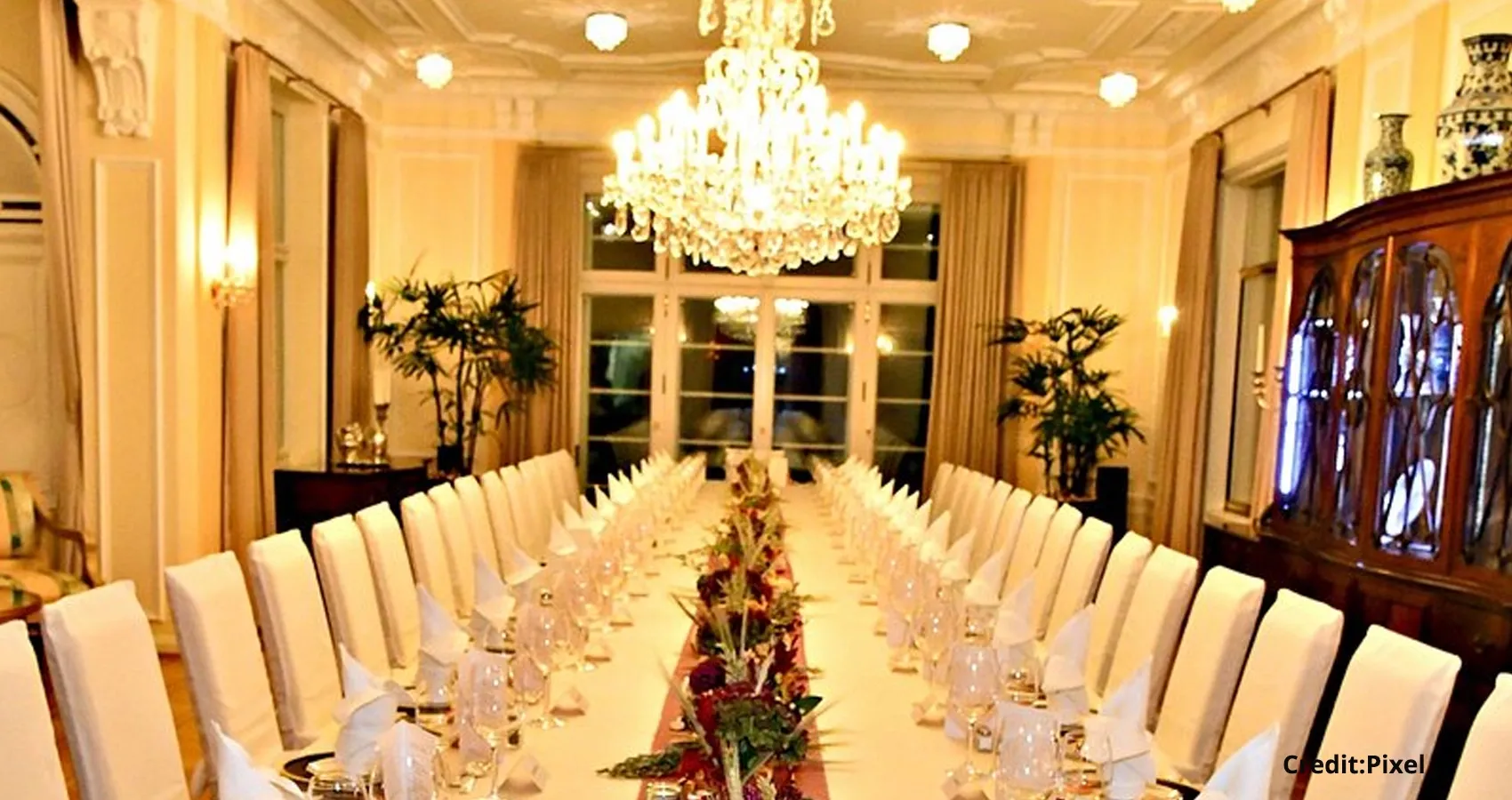
Hosting dinner parties in America has significantly declined since the 1970s, with experts attributing this trend to burnout, changing social dynamics, and the rise of at-home entertainment.
Americans are increasingly shying away from hosting dinner parties, a trend that has been observed since the 1970s. A recent analysis by Data for Progress reveals that only 67% of Americans entertained guests in their homes at least once in the past year, a notable drop from 88% in 1995. This analysis compared its 2026 survey with a similar one from 1995, highlighting a shift in social habits rather than providing a precise measure of change.
Moreover, the percentage of Americans who host friends or family at home at least once a month has plummeted from 42% in 1975 to just 12% in 2026, according to The Atlantic.
Experts suggest several factors contributing to this decline, including increasingly busy schedules, parenting responsibilities, and the allure of at-home entertainment options. After a long day of work and family obligations, the prospect of hosting can feel like an additional burden rather than a pleasurable activity.
With more women entering the workforce, the social calendars they once managed—filled with parties and potlucks—have become less frequent. Florida-based psychotherapist John Puls noted that many individuals are juggling multiple jobs to make ends meet, leading to feelings of burnout and a diminished “social battery.” He explained, “When you’ve spent the day working and taking care of your kids, hosting people can seem like just another task to complete, even though you’d love to see them.”
In a world where social media often dictates the standards for gatherings, many feel pressured to create picture-perfect events. Wildaliz Caro, a licensed clinical psychologist in Puerto Rico, remarked, “High expectations may clash with what people can realistically manage, making hosting feel stressful rather than enjoyable.” The added pressure to accommodate various dietary preferences and needs can further complicate the hosting experience.
Financial considerations also play a significant role in the decline of home entertaining. With grocery prices continuing to rise, feeding a group can transform even a casual gathering into a costly affair. Daniel Schatz, a political scientist and former visiting scholar at Harvard, Stanford, and Georgetown, pointed out that housing costs and smaller living spaces make hosting feel both financially and practically challenging.
The analysis from Data for Progress indicates that the percentage of Americans with five or more close friends has decreased from 63% in 1990 to just 38% in 2021. Schatz noted, “Americans spend more time alone, report fewer close friendships, and participate less in the kinds of local institutions that once created regular social contact.” He warns that younger adults, individuals living alone, lower-income households, and those lacking strong social networks are particularly affected by this trend.
The U.S. surgeon general’s 2023 advisory has labeled loneliness and social isolation in America as an epidemic. Puls emphasized that the decline in friendships can lead to increased feelings of depression and anxiety, particularly among younger generations, while older generations like Gen Xers and baby boomers still tend to gather in person.
As streaming services become more popular, adults are increasingly opting to stay home and binge-watch movies and TV shows instead of hosting gatherings or going out. Schatz explained, “A dinner party requires planning, cleaning, coordination, and a degree of social energy. Streaming or scrolling requires none of those things.”
Despite these challenges, experts advocate for the importance of maintaining social connections. They suggest that reviving casual get-togethers, even in small ways, can help combat feelings of isolation. Schatz advised, “The remedy need not be elaborate. The most realistic response is to lower the threshold for gathering: a simple coffee, takeaway meal, walk, or recurring ‘come as you are’ evening.” The goal is not to recreate the perfect dinner party but to foster the ordinary habits of seeing one another.
As social dynamics continue to evolve, understanding the reasons behind the decline in home entertaining may help individuals find new ways to connect and strengthen their relationships.
According to Fox News Digital, the shift in social habits reflects broader changes in American life, highlighting the need for a renewed focus on community and connection.