
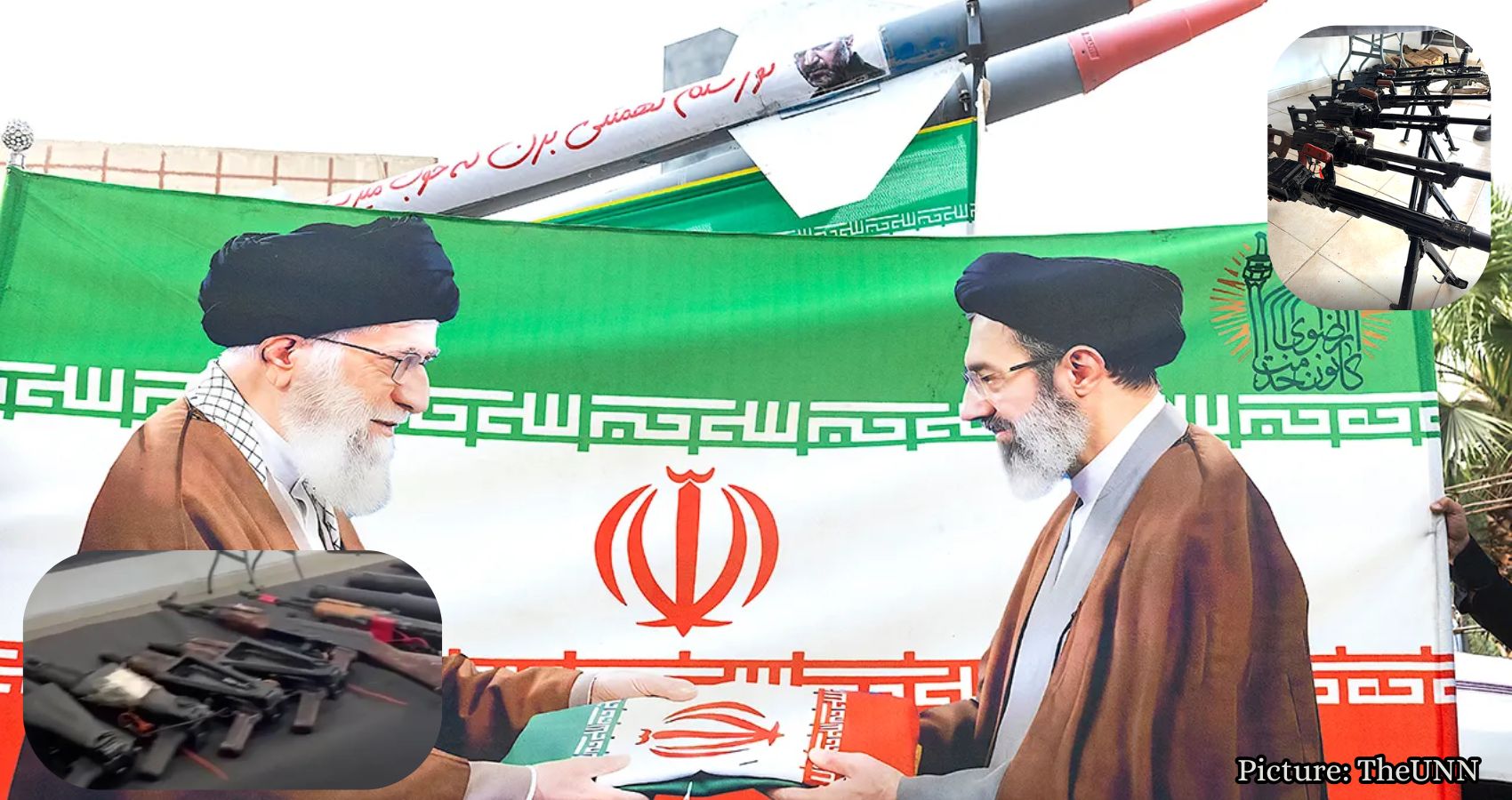
Iran’s Deputy Foreign Minister Kazem Gharibabadi has accused the U.S. of seeking assistance from allies after military failures, criticizing President Trump’s economic threats against nations engaging with Iran.
Iran’s Deputy Foreign Minister for Legal and International Affairs, Kazem Gharibabadi, has made strong accusations against the United States, claiming that Washington is “begging” for help from its allies following what he describes as a failure to achieve its military objectives in the region.
In a recent post on X, Gharibabadi asserted that despite U.S. claims of Iran being on the verge of defeat, the reality is quite different. He stated, “They claim Iran is on the verge of defeat, hanging by a thread, yet they are begging all their allies to help them!” His remarks come in the wake of U.S. President Donald Trump’s threats against countries that continue to support or conduct business with Iran.
Trump’s warning of an “economic D-Day” signals a potential escalation in economic pressure against Iran and its trading partners. This threat is part of a broader strategy by the U.S. to increase pressure on Iran through economic measures, alongside ongoing military and geopolitical tactics.
Gharibabadi criticized the U.S. military campaign, arguing that it has not yielded the desired results. He remarked, “The military war didn’t yield results, so now they’ve named the next failure ‘economic war.’” His comments reflect Tehran’s stance that U.S. military pressure has not produced the outcomes Washington intended.
In addition to military critiques, Gharibabadi highlighted the U.S. national debt, which has surpassed $40 trillion for the first time. He used this figure to question the economic stability of the United States and its capacity to sustain further pressure on Iran.
It is important to note that claims of military or economic “defeat” are assertions made by Iranian officials and should be interpreted within the context of the ongoing U.S.-Iran confrontation.
The latest exchange of statements underscores the persistent tension between Washington and Tehran. While the U.S. threatens additional economic consequences for nations that support or trade with Iran, Iranian officials continue to dismiss claims that Tehran is on the brink of defeat.
The dispute has evolved beyond military engagements to encompass trade, sanctions, international alliances, and economic pressures. Stronger economic measures could significantly impact Iran’s international trade and financial relationships, especially if other countries are pressured to diminish their business ties with Tehran.
The implications of Trump’s threatened measures will depend on how broadly they are implemented and how other nations respond to U.S. demands.
Looking ahead, the focus is likely to remain on U.S. economic measures against Iran, the international support for Tehran, and the potential responses from both Trump and Iranian officials. Gharibabadi’s latest comments illustrate that the war of words between Washington and Tehran continues, with both sides offering starkly different perspectives on the ongoing conflict.
This ongoing situation highlights the complexities of U.S.-Iran relations, where military, economic, and diplomatic strategies are intertwined in a high-stakes geopolitical landscape. The developments in this arena will be closely monitored as both nations navigate their respective positions in the face of escalating tensions.
According to The Sunday Guardian, the situation remains fluid, and the outcomes of these exchanges could have lasting implications for regional stability and international relations.