
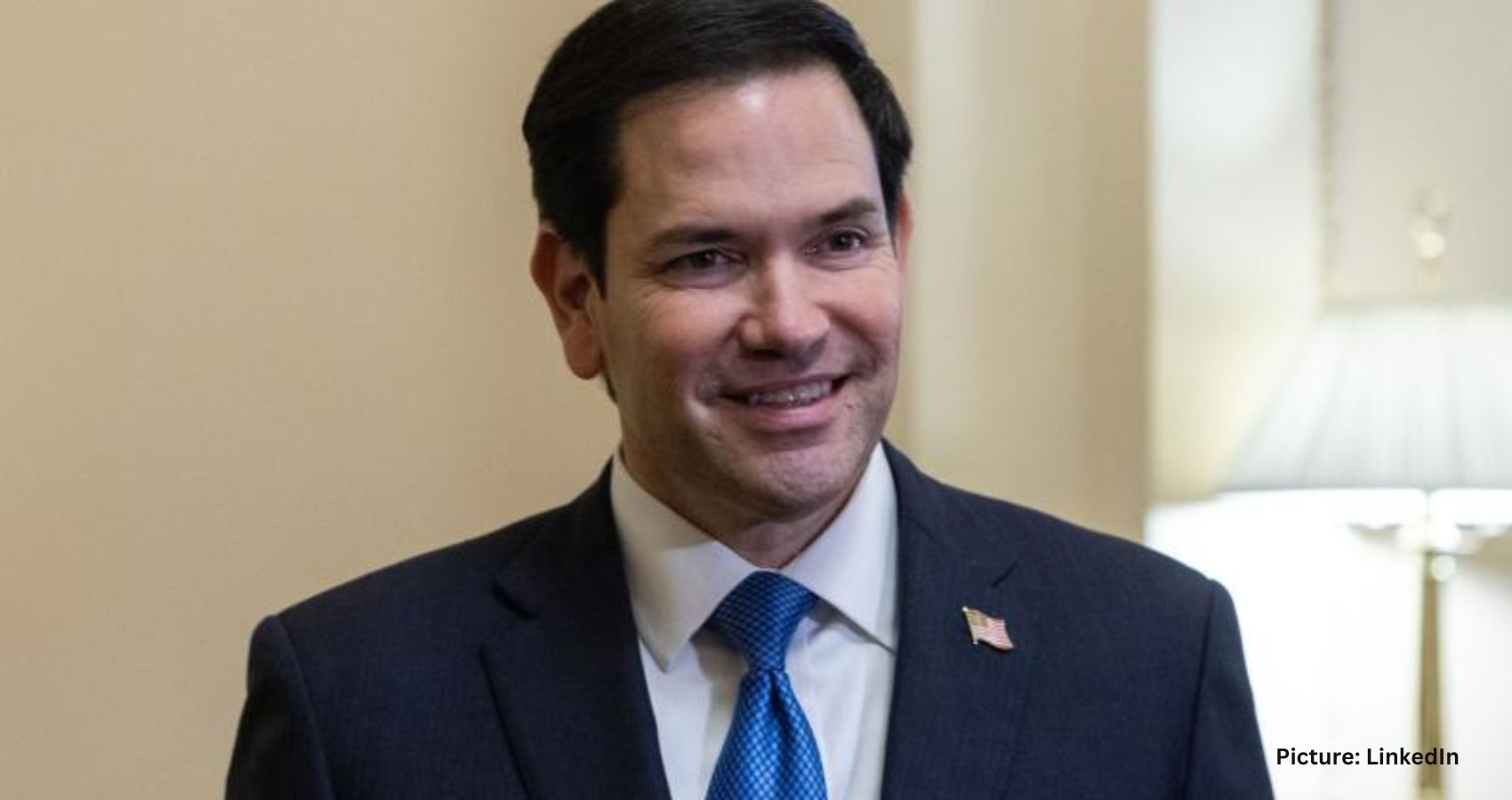
Two Republican Congressmen are urging Secretary of State Marco Rubio to impose visa restrictions on corrupt officials in Albania amid ongoing protests demanding the resignation of Prime Minister Edi Rama.
Two Republican members of Congress have sent a letter to Secretary of State Marco Rubio expressing their concerns regarding the democratic backsliding in Albania, a NATO ally and candidate for European Union membership. They are urging the State Department to utilize its visa restriction authority against Albanian officials implicated in significant corruption.
In their letter, Representatives Joe Wilson of South Carolina and Keith Self of Texas highlighted the United States’ substantial investment in Albania’s justice reforms and emphasized the importance of these reforms for the country’s democratic stability. They noted, “Recent events suggest that progress is fragile and, in key areas, at risk of reversal.”
The letter specifically calls on Secretary Rubio to leverage the State Department’s authority under Section 7031(c) of the annual Department of State, Foreign Operations, and Related Programs Appropriations Act. This provision allows for the public designation of foreign officials and their immediate family members if credible evidence of significant corruption exists.
Wilson and Self have requested that the administration respond to four key inquiries by November 5. Among these questions is a request for the State Department to commit to reviewing Albanian officials for potential designation under its visa restriction authority. They also seek information on the assistance being provided to Albania’s broader justice reform efforts and whether the U.S. Embassy in Tirana is collaborating with local officials to protect protesters and journalists.
Additionally, the Congressmen are seeking an update on former Deputy Prime Minister Belinda Balluku, who has been charged with interfering in public procurement related to road construction. Prosecutors requested parliamentary approval to lift her immunity for arrest in December 2025, but Prime Minister Edi Rama labeled the request unconstitutional, leading to parliament’s refusal to proceed with the arrest.
The letter underscores the challenges faced by Albania’s anti-corruption institutions, which struggle to succeed when political leaders shield officials from investigation. The situation has escalated as violent protests have erupted across the country, with demonstrators demanding accountability from the government.
In recent weeks, tens of thousands of protesters have taken to the streets of Tirana, fueled by allegations of government corruption, inadequate education, high unemployment, and a lack of opportunities. The protests, which began two weeks ago, have turned violent, with demonstrators clashing with police and throwing Molotov cocktails at government buildings.
Protesters have specifically targeted the Socialist Party headquarters in Tirana, leading to confrontations with riot police deployed to protect government property. Prime Minister Rama has accused foreign entities of inciting unrest, claiming they do not want Albania to join the European Union and are instead promoting organized crime.
Despite the escalating violence, Rama has refused to resign but has suggested entering into dialogue with the protesters. The unrest in Albania poses a significant threat to the country’s democratic integrity and its aspirations for EU membership.
Rep. Wilson expressed deep concern over the situation, stating, “Congress is deeply concerned about the situation in Albania as the government uses excessive force against citizens who are demanding accountability and clean institutions. Corruption and narcotrafficking associated with the Rama government must be countered.”
Albania’s pursuit of EU membership began in 2014 when it became an official candidate. Although the European Commission’s 2025 report acknowledged significant progress in judicial reforms and efforts to combat organized crime, ongoing allegations of corruption within the Rama government and the current civil unrest complicate the country’s path to EU accession.
The student-led protests in Albania draw parallels to recent mass protests in neighboring Serbia, where a student-backed political movement successfully challenged longtime leader Aleksandar Vučić. Agim Nesho, a former Albanian ambassador to the U.N. and the U.S., noted the similarities, stating, “In Albania, students and other citizens have been demonstrating since May, with the latest wave of daily protests intensifying demands for the resignation of a prime minister who has governed for more than 13 years with rampant corruption and declining public services.”
The situation in Albania remains fluid, with the potential for further unrest as citizens continue to demand accountability and reform from their government. According to Fox News, the actions taken by U.S. lawmakers may play a crucial role in shaping the future of Albania’s political landscape.