
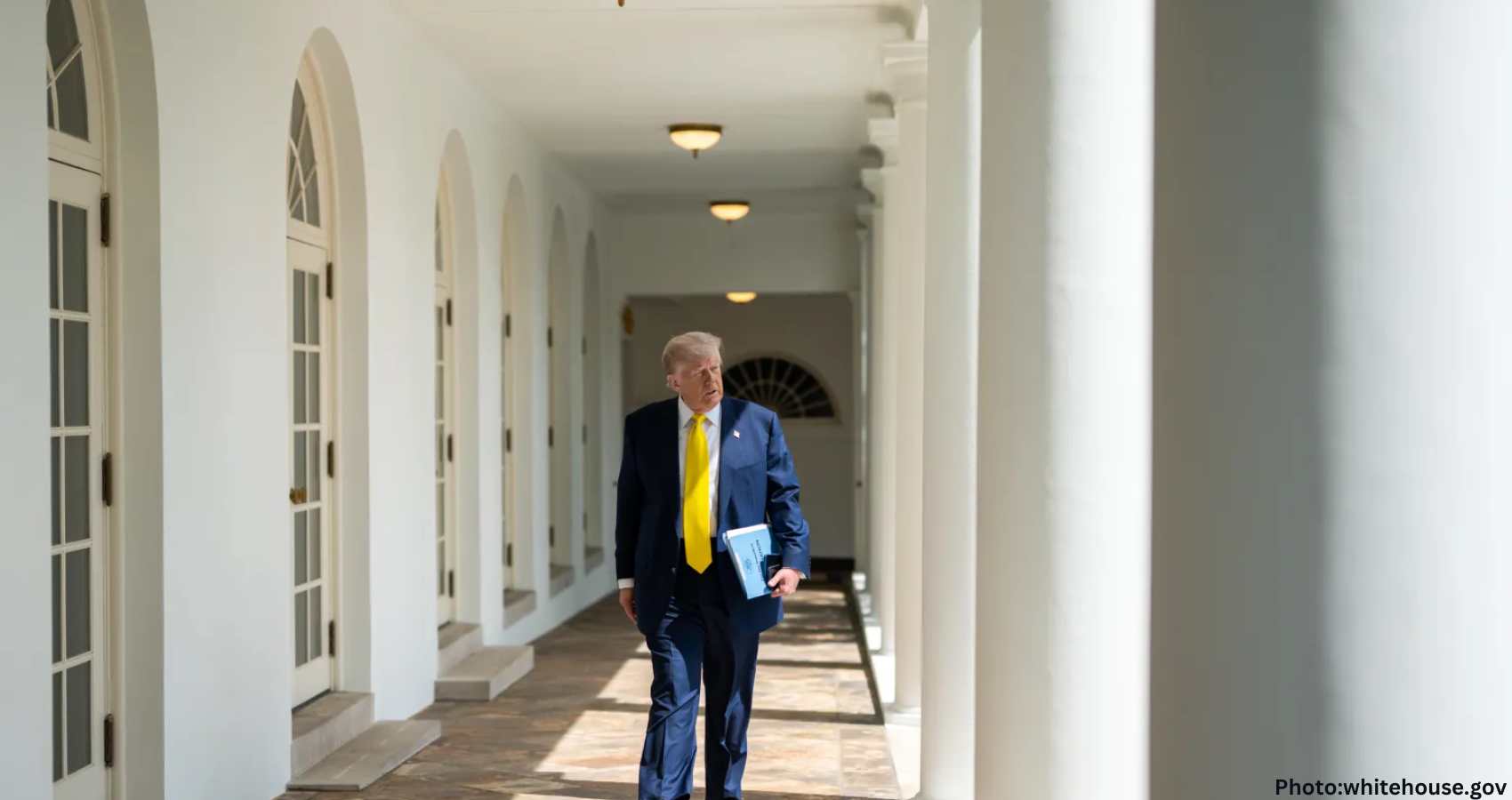
As the GOP prepares for the upcoming midterm elections, President Trump is touted as a “secret weapon,” but polls indicate potential challenges for the party among key voter demographics.
Republican National Committee Chair Joe Gruters has labeled President Donald Trump as the GOP’s “secret weapon” in an effort to “defy history” during the upcoming midterm elections. Traditionally, the party in power tends to lose seats in both the House and Senate during these elections. However, as Trump embarks on his second term in the White House, public opinion surveys suggest that many Americans are growing increasingly disillusioned with both the president and his agenda.
According to the latest Wall Street Journal poll, Trump’s approval rating stands at 45%. In a Reuters/Ipsos survey, it is reported at 41%. Meanwhile, an average of recent national polls compiled by Real Clear Politics shows Trump’s approval at 42%, with 55% of respondents disapproving of his performance. Although Trump began his second term with positive approval ratings, they fell below the waterline last March and have continued to decline since then.
“Support among Republicans has remained in place, but the opposition has become even more calcified,” said veteran Republican pollster Daron Shaw. He noted that the approval ratings among Independents are particularly troubling for both the White House and Republican operatives nationwide. “Independents don’t turn out in particularly high levels in midterm elections, but they do vote, and that’s where erosion in support of the president can cost Republicans seats not only in the House but also in some close Senate races,” Shaw warned.
In the 2024 elections, deep concerns over inflation helped propel Trump and the Republicans to significant victories, allowing them to reclaim the White House and Senate while maintaining their House majority. However, Democrats argue that their success in the November 2025 elections, along with strong performances in special elections and other contests last year, was driven by a focused approach on affordability amid ongoing inflation challenges.
Trump’s approval ratings concerning the economy are slightly lower than his overall approval ratings. The rising cost of living has emerged as a critical issue for voters in recent years, with a significant majority expressing concern about high prices in a recent Fox News national poll.
Despite these challenges, Republicans are emphasizing the series of tax cuts implemented through Trump’s signature domestic policy achievement, the One Big Beautiful Bill Act. Gruters contends that the GOP will effectively address affordability issues this election year. “From an affordability standpoint, I think we win hands down based on the policies this president has pushed,” he stated.
Democrats, however, disagree with this assessment. “As working families struggle to afford groceries, utilities, and health care, and worry about finding a job, Trump is busy meddling in foreign countries and palling around with executives, failing to address Americans’ top concerns on the economy,” remarked Kendall Witmer, the Democratic National Committee’s Rapid Response Director.
Additionally, Trump’s approval ratings regarding illegal immigration—a key issue that contributed to his re-election victory—have also declined over the past year. This issue has resurfaced in the public eye following a recent tragic incident involving an ICE agent and a Minnesota mother of three.
As the midterm election cycle intensifies, Shaw pointed out that the current political environment is more favorable for Democrats than it was in the previous midterm elections of 2022 or 2024. The presidential approval rating and generic ballot are closely monitored indicators leading up to the midterms. Historically, Trump’s recent predecessors faced significant losses in their parties during their second-term midterms, with George W. Bush’s approval rating plummeting over 15 points by Election Day 2006 and Barack Obama’s hovering 10 to 12 points below water leading up to the 2014 midterms.
Looking ahead to 2026, the GOP faces a unique challenge: a segment of MAGA voters who may not turn out when Trump is not on the ballot. Nevertheless, Gruters remains optimistic, noting that Trump has made appearances in key battleground states in recent weeks. “We got to make sure we turn our voters out, and we got to make sure that we have people energized. And there’s nobody that can energize our base more than President Trump,” he asserted.
Shaw, who has experience as a strategist and pollster for Bush’s campaigns, emphasized that the turnout question is now more of a Republican concern than a Democratic one. “There is very little question Democrats are going to turnout to oppose Trump and the Republicans,” he said. “Are Republicans going to show up and vote?”
As the midterms approach, the GOP’s reliance on Trump as a motivating force will be tested, with the potential for significant implications for the party’s future.
According to Fox News, the evolving dynamics of voter sentiment could play a crucial role in shaping the outcomes of the upcoming elections.