
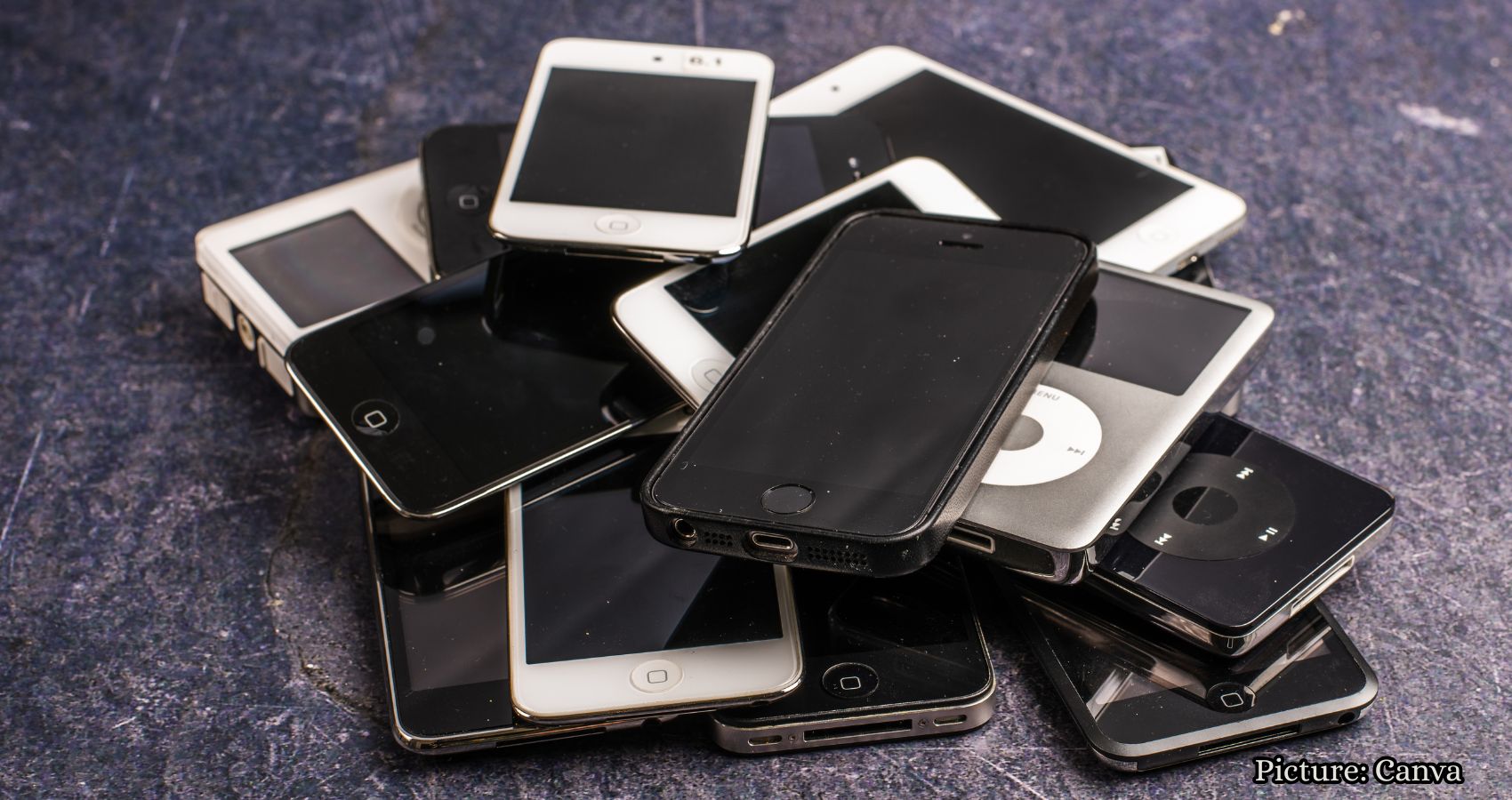
The FCC is considering new regulations that would require phone companies to collect personal identification information, potentially making it more difficult to obtain burner phones.
The Federal Communications Commission (FCC) is exploring new “know your customer” (KYC) rules that could significantly change how individuals access phone services in the United States. The proposed regulations would require phone companies to gather and retain more personal information from customers before granting them service, including government-issued identification, physical addresses, and alternate phone numbers.
The FCC’s initiative aims to combat the rising tide of scammers, robocallers, and criminals who exploit phone networks. While the intention behind these regulations may seem reasonable—most people would agree that reducing fraudulent calls is a priority—the proposal raises critical questions about personal privacy and the implications of requiring such sensitive information.
Currently, the FCC expects voice providers to take measures to verify their customers’ identities and prevent illegal calls. The new proposal seeks to make these requirements more explicit, asking whether providers should be mandated to obtain specific customer information before offering service. This could apply to both new customers and those renewing existing plans, potentially affecting a broader range of individuals than initially anticipated.
For high-volume customers, including businesses and foreign clients, the FCC is considering whether additional information should be collected, such as the intended use of the service and the IP address used for calls. Furthermore, the agency is contemplating whether KYC records should be retained for four years after the customer relationship ends, aligning with the statute of limitations for certain illegal calling violations.
The FCC believes that by implementing stricter identity checks, it can make it more challenging for bad actors to infiltrate phone networks. Enhanced customer records could also assist law enforcement in investigating crimes that extend beyond scam calls, potentially addressing national security threats and abuses within text messaging networks.
While the proposal does not explicitly mention a ban on burner phones, its practical implications could be significant. Burner phones, often associated with criminal activity in popular media, are typically prepaid devices that do not require a clear identity link at the point of purchase. However, many individuals use these phones for legitimate reasons, such as domestic abuse survivors seeking safety, journalists protecting sources, or those without stable addresses relying on prepaid services for accessibility.
If phone companies are required to collect government IDs and physical addresses before providing service, accessing anonymous or lightly identified prepaid phones could become increasingly difficult. Privacy advocates view this potential shift as more than just a measure against robocalls; they see it as a fundamental change in how Americans obtain basic phone services.
Prepaid phones play a crucial role in this discussion. Many people opt for them to save money, gain control over their spending, or avoid the hurdles associated with traditional phone plans. The FCC is now considering whether different identity checks should apply to prepaid and postpaid customers, which could further complicate access to prepaid services.
A strict implementation of the proposed rules could make obtaining prepaid service akin to opening a bank account, requiring extensive personal information. For some, this may merely mean filling out additional forms. However, for others—particularly those seeking safety or privacy—this could pose significant challenges.
Concerns about privacy are paramount, but there are also cybersecurity implications to consider. Phone companies already hold sensitive customer data, and adding government IDs and physical addresses could make these records more appealing targets for hackers. A breach of telecom databases could lead to identity theft, phishing, and other criminal activities, potentially undermining the very purpose of the FCC’s proposal.
The FCC is also seeking input on how providers should safeguard customer information and the duration for which records should be retained. These considerations are vital, as sensitive data can become a liability once collected. The agency is asking whether alternative addresses, such as P.O. boxes or shared office locations, should be accepted as valid physical addresses. This detail could create significant barriers for individuals who do not have traditional home addresses or who prefer to keep their locations private for safety reasons.
The FCC is currently accepting public comments on the proposal until June 25, 2026, with reply comments due by July 27, 2026. After this period, the agency will review feedback from various stakeholders, including phone companies, law enforcement, privacy advocates, and the general public. The final rule may evolve based on this input, potentially narrowing the requirements or introducing privacy safeguards.
As the FCC moves forward with this initiative, it raises important questions about the balance between combating scams and protecting individual privacy. While the agency aims to reduce the prevalence of fraudulent calls and texts, it must also consider the impact on those with legitimate privacy needs, such as domestic abuse survivors, journalists, and individuals without stable housing.
In conclusion, while the FCC’s proposal seeks to enhance security and reduce scams, it is essential to ensure that any new regulations do not inadvertently create obstacles for those who rely on privacy in their communications. The agency must demonstrate how the collection of additional personal information will effectively combat scams while safeguarding the privacy of all Americans.
For more information, visit CyberGuy.com.