
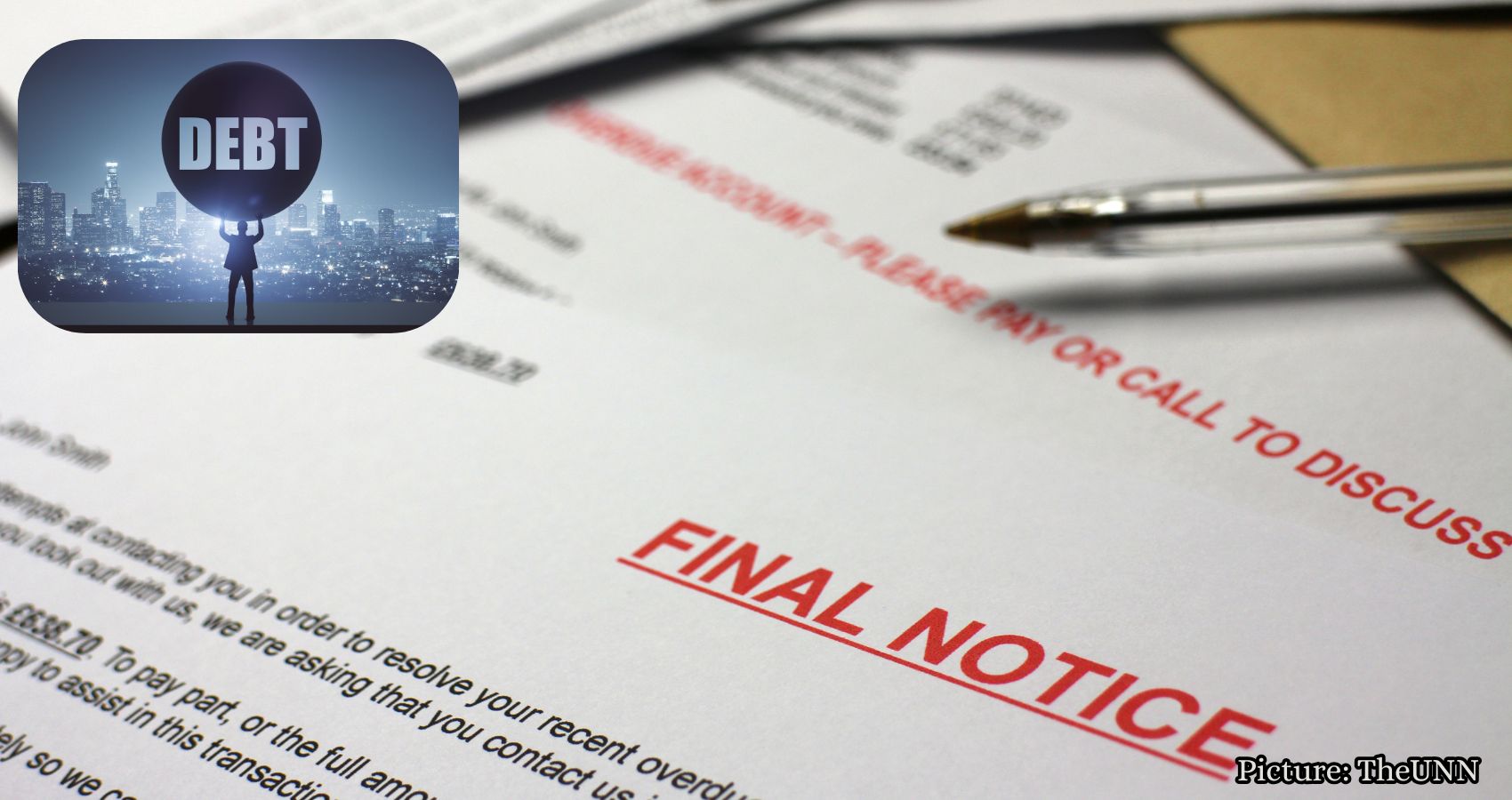
As debt collection complaints surge due to identity theft, understanding your rights and how to respond to unfamiliar debt notices is essential for protecting your finances.
A letter arrives in the mail regarding a debt you don’t recognize, from a company you’ve never dealt with, for an account you never opened. For many individuals, this notice is the first indication that their identity has been compromised. Complaints to the Consumer Financial Protection Bureau (CFPB) about attempts to collect debts that consumers do not owe have surged by approximately 115% above the previous two-year average in 2025. Many of these consumers reported unfamiliar balances and suspected identity theft.
Before reacting impulsively or making any payments, it is crucial to understand the reasons behind these letters and the rights you possess as a consumer.
When a charged-off account is sold to a collection agency, the agency receives the original creditor’s application file, which includes various identifiers used to open the account. Unfortunately, this contact information is often outdated by 90 to 180 days by the time the account changes hands.
Prior to contacting you, the agency engages in a process known as skip tracing. This involves matching your name, Social Security number (SSN), and past addresses against public records, postal change-of-address data, property and utility records, and data broker files to identify the current individual associated with the account. Each lookup costs the agency only a few cents, making this a cost-effective method for them.
The account in question may have been opened using your information, which was obtained from data breaches and subsequently resold. Automated checks may have matched this data to an existing file without verifying that the applicant was indeed you. According to the Identity Theft Resource Center (ITRC), opening new accounts is the most common form of attempted identity misuse reported, surpassing takeovers of existing accounts.
Charged-off debts, including fraudulent ones, are often sold in bulk portfolios for mere pennies on the dollar, typically accompanied by minimal supporting documentation. A single fraudulent balance can be sold and resold among multiple agencies. Even if you successfully dispute a debt with one collector, it may reappear with another agency months later.
In the case of medical debt, it is not uncommon for a bill to be sent to collections before you have received all necessary explanations of benefits, insurance updates, or corrected statements. Therefore, it is advisable to contact the provider and your insurer before making any payments to a collector.
Federal law provides you with a defined response timeline, which begins upon first contact. Under the CFPB’s Regulation F, a collector is required to send a validation notice detailing the debt and your rights within five days of their initial communication with you.
You have 30 days from the receipt of that notice to dispute the debt in writing, as stipulated by the Fair Debt Collection Practices Act (FDCPA). If you dispute the debt within this timeframe, the collector must cease collection efforts until they can verify the debt’s validity. It is important to note that the FDCPA primarily covers third-party debt collectors and may not apply to every original creditor. However, credit reporting laws, identity theft protections, and state laws may still afford you certain rights.
If the debt stems from identity theft, you should send the collector an FTC Identity Theft Report, which can be obtained from IdentityTheft.gov. Additionally, inform the collector in writing that you dispute the debt, that it resulted from identity theft, and that you wish for them to stop reporting the account to the credit bureaus.
You can also request a block on your credit report under Section 605B of the Fair Credit Reporting Act (FCRA) from Equifax, Experian, and TransUnion. With a valid identity theft report and proof of your identity, the bureaus are required to block the fraudulent item within four business days. This block is more difficult to reverse than a standard dispute, which is important since the same debt can be resold.
The CFPB has indicated that it may expand the definition of identity theft under Regulation V to include “coerced debt,” which refers to money accrued in someone’s name without their consent, particularly in cases of domestic or elder abuse.
Before making any payments or confirming personal details, take your time and require the collector to prove that the debt is indeed yours. Do not pay, promise to pay, or disclose additional personal information during the initial call. Request the validation notice in writing and keep a record of all letters, voicemails, and call logs. Then, send a written dispute within the 30-day window.
If you suspect identity theft is the cause of the account, create an FTC Identity Theft Report at IdentityTheft.gov. Send copies of this report to the collector, the original creditor, and all three credit bureaus. Additionally, consider placing a fraud alert or credit freeze with Equifax, Experian, and TransUnion to make it more challenging for someone to open another account in your name.
In the case of medical debt, reach out to the provider and your insurer before making any payments to a collector. Request an itemized bill and an explanation of benefits, as a medical bill can end up in collections while paperwork, insurance reviews, or billing disputes are still being processed.
If a collector takes legal action against you, do not ignore the court papers. It is essential to respond by the court deadline or seek assistance from a consumer law attorney or legal aid group. Even a debt you do not owe can lead to more significant issues if you miss a court deadline.
Once a fraudulent account charges off and is sold, the cleanup process becomes increasingly complicated. You may need to dispute the debt with the collector, the original lender, and all three credit bureaus. If the debt is resold, the same issue could resurface months later.
While a credit freeze can provide some protection, it is not foolproof. Credit monitoring services can help you detect new accounts or hard inquiries before the debt reaches collections, allowing you to act swiftly to dispute the account and freeze your credit sooner.
Although no service can prevent every account from being opened in your name, three-bureau credit monitoring can alert you when lenders report new accounts or hard inquiries. This proactive approach can help you respond before a collections notice arrives or before a lender denies you credit.
A collection letter for an unfamiliar debt warrants careful scrutiny. It may indicate that someone has opened an account in your name. Avoid making payments simply to stop the calls. Request written validation and dispute the debt promptly. If your information has been misused, file an FTC Identity Theft Report, freeze your credit, and review all three credit reports. Early detection can help you catch fraud before it escalates into collections, ultimately saving you time, money, and stress.
Have you ever received a collection letter or call for a debt you knew you did not owe? If so, what steps did you take first? Share your experience with us at CyberGuy.com.
According to CyberGuy.