
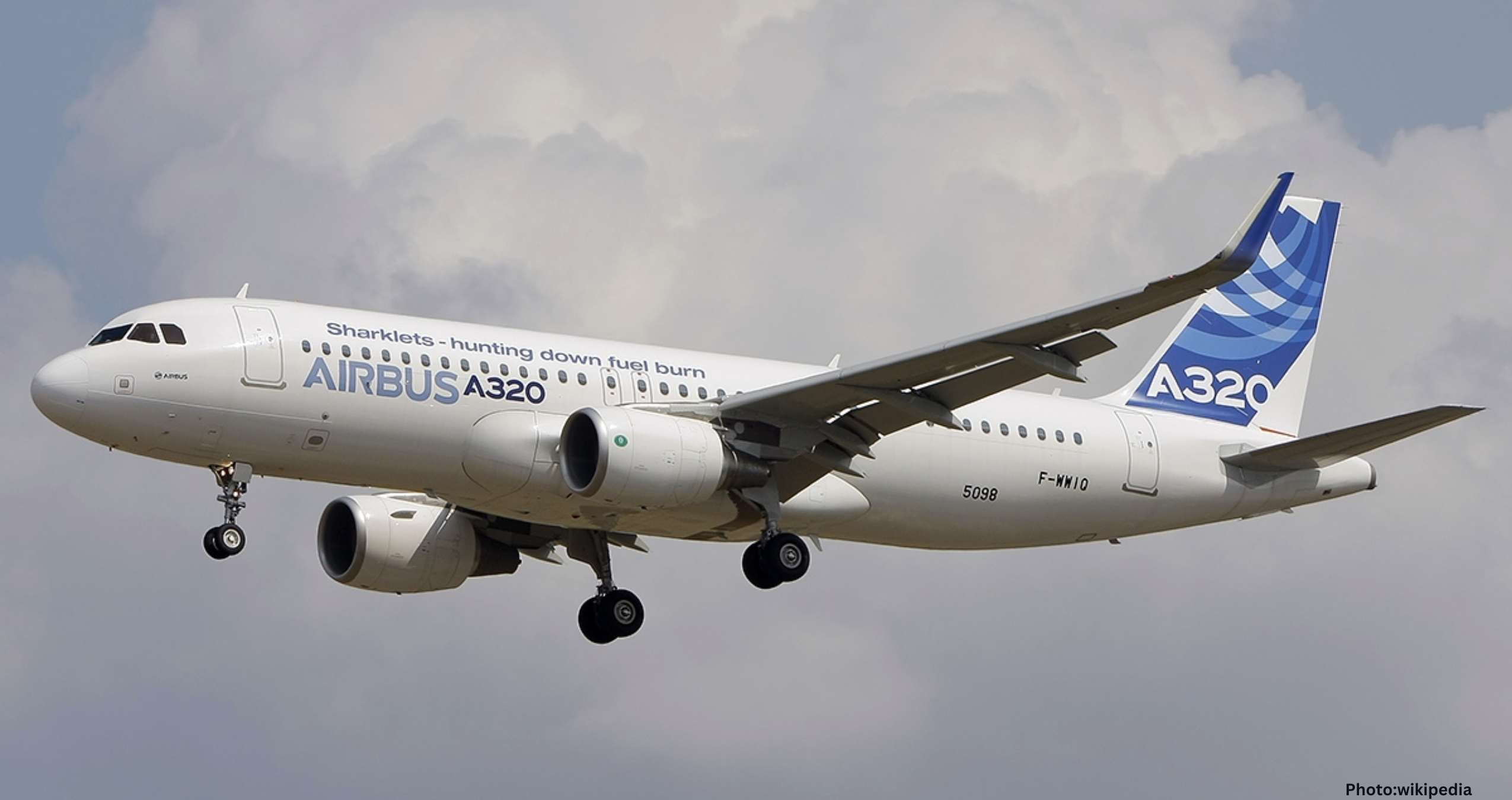
Airbus has reportedly resolved a software vulnerability affecting its A320 family of aircraft, averting a potential crisis following a precautionary safety alert issued in late November 2025.
Airbus is navigating a significant crisis as it works to restore normal operations for its A320 fleet. On Monday, the European aircraft manufacturer announced that it had implemented urgent software changes to address a critical vulnerability, averting a prolonged operational disruption.
In late November 2025, Airbus issued a precautionary safety alert that impacted its entire A320 family, which includes approximately 6,000 aircraft globally. This alert was prompted by concerns over a potential software vulnerability in the flight control system, particularly after a JetBlue flight experienced a sudden drop in altitude. Investigations indicated that intense solar radiation could interfere with the flight-control computers, known as ELAC units, leading to uncommanded pitch or other control anomalies.
Due to the potential safety risks, regulators such as the European Union Aviation Safety Agency (EASA) mandated immediate inspections and modifications for all affected aircraft before their next scheduled flights. This directive applied to the A318, A319, A320, and A321 models, marking one of the largest precautionary measures in Airbus’s history.
Dozens of airlines, spanning from Asia to the United States, reportedly complied with Airbus’s urgent software retrofit, which was also mandated by global regulators. This action followed the identification of a vulnerability linked to solar flares, which emerged during a mid-air incident involving a JetBlue A320.
To tackle the issue, Airbus implemented a combination of software and, in some cases, hardware solutions. Most affected jets underwent a software “rollback,” reverting the flight-control system to a previously certified version. This procedure could be completed in just a few hours per aircraft. However, a smaller subset of older jets, estimated to be around 900 to 1,000, required hardware upgrades due to incompatibility with the new software.
As of December 1, 2025, Airbus reported that nearly all affected aircraft had been modified, with fewer than 100 planes still pending updates. Airlines experienced minimal disruptions for those jets that only required software updates, while those needing hardware adjustments faced temporary groundings, leading to localized flight delays and cancellations in certain regions.
The incident highlighted the interconnected nature of global aviation, where a single technical vulnerability can prompt widespread operational measures. Following discussions with regulators, Airbus issued an eight-page alert to hundreds of operators, effectively ordering a temporary grounding of the affected aircraft until repairs were completed.
Steven Greenway, CEO of Saudi budget carrier Flyadeal, commented on the rapid response, stating, “The thing hit us about 9 p.m. (Jeddah time) and I was back in here about 9:30. I was actually quite surprised how quickly we got through it: there are always complexities.”
This safety alert from Airbus underscores the increasing importance of software reliability, cybersecurity, and environmental resilience in modern aviation. It also emphasizes how external factors, such as solar radiation, can interact with avionics systems, creating unforeseen risks. The scale of this precautionary action reflects heightened regulatory scrutiny and industry caution following previous aviation safety concerns worldwide.
For operators and passengers alike, this incident reinforces the necessity for transparency, robust risk management, and contingency planning in high-stakes transportation sectors. While the immediate threat has largely been mitigated through software updates and modifications, ongoing monitoring, investigation, and regulatory oversight remain crucial to ensuring the safe operation of A320-family jets.
This episode serves as a reminder that even widely deployed and technologically advanced aircraft can be vulnerable to unexpected technical or environmental challenges, necessitating coordinated responses from manufacturers, airlines, and aviation authorities.
Source: Original article