
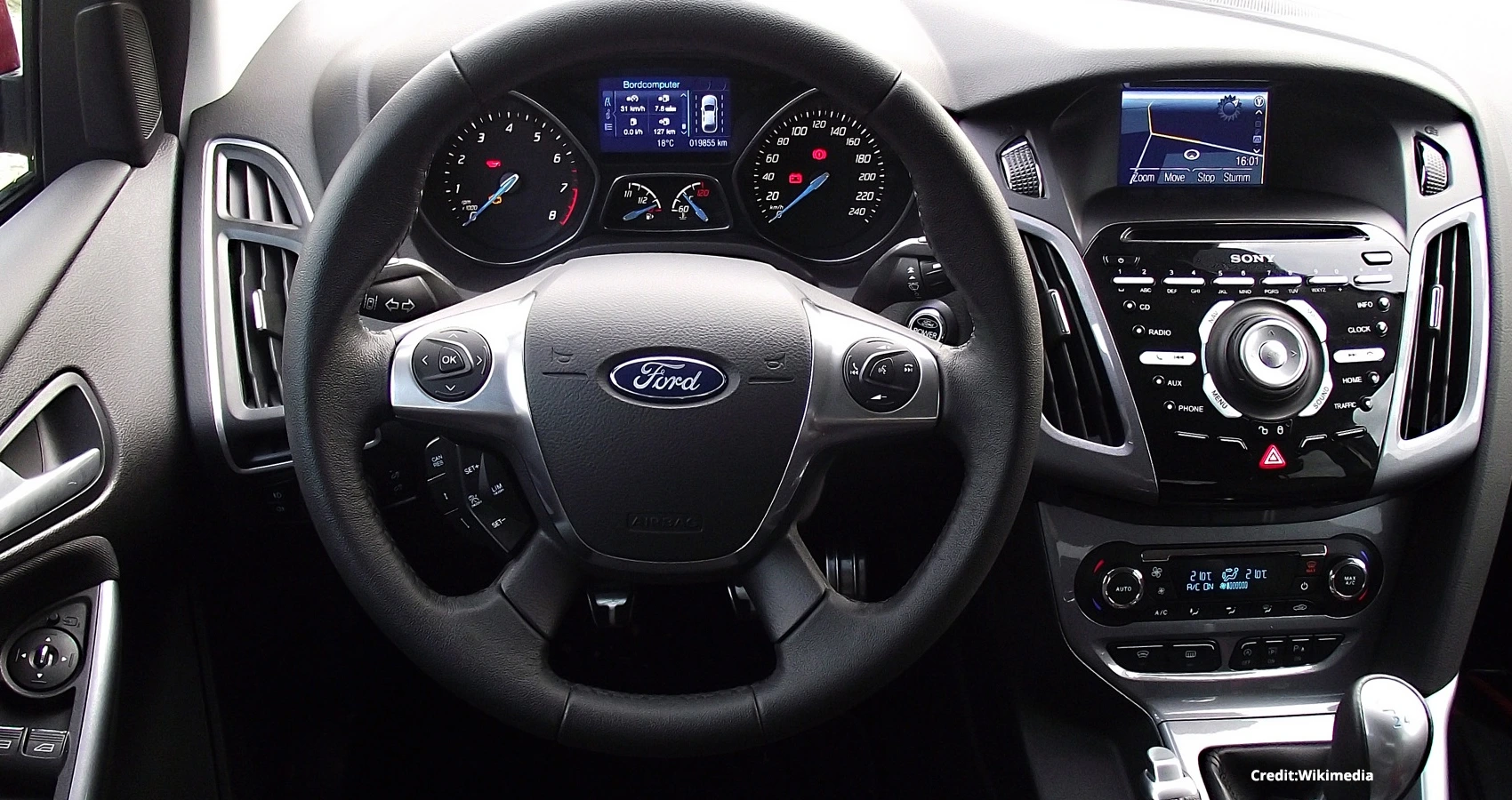
Ford’s new privacy promise aims to enhance transparency around vehicle data collection, but disabling data sharing may limit access to key connected features.
Your car likely knows more about you than you realize. It tracks where you drive, how fast you go, and even alerts you when something under the hood needs attention. Depending on the vehicle, this information may also be sent back to the manufacturer. However, many drivers may not have considered who has access to this data.
On November 2, Ford announced a new privacy initiative designed to give drivers more transparency and control over their personal information. The automaker pledged not to sell driving data to insurance companies or data brokers, which is a step towards addressing privacy concerns.
While this commitment sounds promising, there is a significant caveat: disabling certain data-sharing settings could result in losing some of the connected features that drivers have come to rely on. This raises the question: how much privacy can you achieve without sacrificing the technology you paid for?
Ford’s new privacy initiative aims to clarify what information vehicles collect and how that data is used. The company has launched a dedicated data and privacy website to help owners understand their options. Ford emphasizes that it designs its products with privacy in mind and wants customers to have clearer information about their choices. The automaker also promises to respect the privacy settings selected by drivers.
One of the most significant commitments made by Ford is its assurance that it does not sell data about how customers drive to insurance companies or data brokers. However, this does not mean that Ford will stop collecting connected vehicle data altogether. The company continues to use information from equipped vehicles to operate services and enhance its technology. Kristin Jones, Ford’s chief privacy officer, explained to TechCrunch that the goal is to build greater trust by helping customers understand the company’s data practices.
This initiative comes at a time when Ford is preparing to introduce more connected vehicles, including models built on its upcoming universal electric vehicle platform. Notably, many of Ford’s privacy controls already existed prior to this announcement. The new initiative focuses on making these controls easier to understand and access.
Modern Ford vehicles can generate a considerable amount of information, depending on the model, its connected features, and the privacy settings chosen by the driver. For instance, equipped connected vehicles may share information regarding vehicle diagnostics, location, and driving behavior. While some of this data sharing can provide practical benefits—such as identifying maintenance issues early or assisting with roadside assistance—drivers should be aware that their driving habits can reveal personal details about their daily routines.
Ford’s announcement follows increased scrutiny of how automakers handle customer information. Recently, a coalition of 36 attorneys general announced a $220 million settlement with General Motors over allegations that the company collected and sold driving behavior and location data to third parties, including data brokers supplying information to insurance companies. This case highlights the sensitivity surrounding vehicle privacy, as drivers may agree to connected features without fully understanding the extent of data collection.
Ford states that customers can turn off connected vehicle data sharing, but doing so may impact some features that enhance convenience in newer vehicles. Depending on the model and the settings disabled, drivers could lose access to various functionalities. However, some features, such as Apple CarPlay and Android Auto, can continue to operate without sharing connected vehicle data with Ford. Local Bluetooth connections and standard radio playback may also remain available, depending on the vehicle’s equipment and software.
Ford provides several ways for owners to review their data-sharing preferences. Vehicle connectivity can be managed through the car’s touchscreen, while the Ford app and online Ford account offer additional controls for certain uses of personal information. Owners of vehicles built in 2018 or later are encouraged to review their connected vehicle settings while parked safely.
If drivers wish to stop sharing connected vehicle data with Ford, they can navigate to the Vehicle Connectivity settings in their vehicle and turn it off. However, this broader change may limit connected services and other features. Ford also offers guidance through its official privacy settings page.
Additionally, the Ford app allows users to adjust certain information-sharing preferences, including controls related to Google Maps and preferred dealer notifications. It is important to note that the app’s personalization and marketing controls are separate from the vehicle’s main connectivity controls, meaning changes in one do not automatically affect the other. If a driver owns multiple Ford vehicles, they should review each vehicle’s settings individually.
Ford also provides options for customers to request access to personal data and seek corrections or deletions, subject to applicable privacy laws. If a driver is selling or trading in their Ford, performing a factory reset is recommended to remove stored personal information from the vehicle.
While Ford’s commitment to not selling driving behavior data to brokers and insurers is noteworthy, it does not prohibit all forms of data collection or disclosure. Ford’s privacy notice outlines circumstances in which information may be shared with service providers or other parties, as well as disclosures made in response to valid legal requests. Furthermore, even with location sharing turned off, Ford may still collect vehicle location data under certain conditions, such as legal requirements or emergencies.
Despite Ford’s new promise, drivers are encouraged to examine their individual settings. A company can make a meaningful privacy commitment while still collecting necessary information for its services. As vehicles become increasingly connected, it is essential for consumers to understand the trade-offs involved in data sharing.
For those who own a newer Ford, this announcement serves as a reminder to check privacy settings. Drivers may discover that their vehicles share more information than anticipated and may find settings they can disable without losing desired features. However, it is crucial to understand the potential consequences of turning off all connectivity, as losing remote access or other useful services could be inconvenient.
This advice extends to drivers of other brands as well. Taking a few minutes to explore a manufacturer’s privacy settings can provide valuable insights into what information is being shared. Ultimately, understanding what your car collects can empower you to better control your personal information.
Ford’s public commitment to protecting driving data is a positive step, especially in light of recent revelations about how vehicle information can end up in the hands of insurance companies. However, it raises an important question: how much personal information should drivers have to share to enjoy the features they have already paid for? As automakers continue to develop connected technologies, it is essential that they make privacy choices more straightforward for consumers.
Would you be willing to sacrifice features like remote start or live navigation to keep your driving data private? Or should automakers be required to offer these conveniences without collecting excessive personal information? Share your thoughts with us at Cyberguy.com.
According to TechCrunch, Ford’s new initiative reflects a growing awareness of the importance of vehicle privacy in the digital age.