
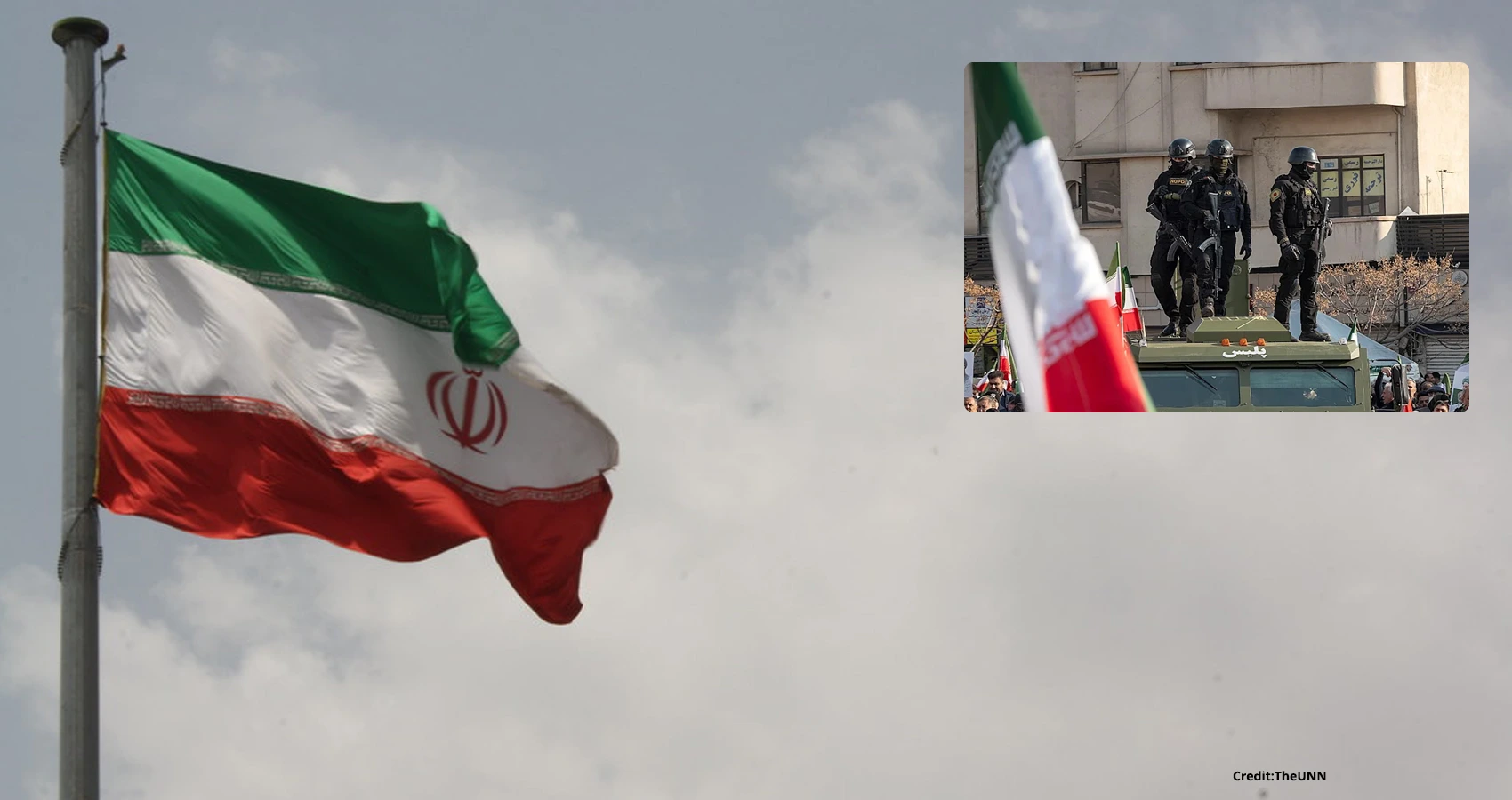
Two Iranian men were convicted in Britain for spying, highlighting Tehran’s extensive intelligence operations across Europe amid rising concerns over cyberattacks and sleeper cells.
Two Iranian men were convicted in Britain on Thursday for their involvement in espionage activities targeting journalists and critics of the Iranian government. This case has raised significant concerns regarding Iran’s intelligence operations extending beyond the Middle East. Concurrently, France has accused the Islamic Revolutionary Guard Corps (IRGC) of conducting unprecedented cyberattacks, while officials in the United Arab Emirates (UAE) have warned of Iranian sleeper cells operating abroad.
The Woolwich Crown Court jury in London found Mostafa Sepahvand, 41, and Farhad Javadi Manesh, 46, guilty of actions likely to assist a foreign intelligence service. Prosecutors revealed that the two men conducted surveillance on individuals critical of Tehran, including journalists from Iran International, a London-based Persian-language news outlet, and a notable figure associated with UK Lawyers for Israel. The surveillance activities reportedly took place between August 2024 and March 2025, involving visits to locations linked to the targets, as well as photographs, videos, and online research.
In addition to the spying charges, Sepahvand was also convicted of preparatory conduct aimed at committing serious violence against a person in Britain. Manesh was acquitted of this charge, while a third defendant was cleared of all allegations. British authorities have described these convictions as the first under the National Security Act of 2023, emphasizing the ongoing threat posed by Iranian intelligence operations. Iran has denied any involvement in these activities.
Concerns about Iranian espionage are not limited to the UK. Just two days prior to the British verdicts, the U.S. Justice Department announced terrorism charges against three alleged Iranian-backed operatives. These individuals are accused of involvement in nearly 20 attacks and attempted attacks across Europe and the United States, allegedly supporting the IRGC and Kata’ib Hezbollah. The indictment details their targeting of Jewish communities and a plot against RAF Fairford, a British air base housing American military personnel. One defendant, Mohammad Baqer Saad Dawood al-Saadi, reportedly continued coordinating terrorist activities through coded messages while imprisoned in New York, with plans for an attack on a Manhattan synagogue.
In France, authorities have accused the IRGC of orchestrating a significant cyberattack against the country’s food supply infrastructure. A report from France’s Cyber Crisis Coordination Centre indicated that Iranian-linked hackers targeted refrigeration controllers at approximately 700 retail locations across France on October 11 and 12. The attackers allegedly altered defrost settings, leading to dangerously high temperatures in refrigeration equipment, which spoiled large quantities of food and caused at least 15 reported fire outbreaks. Major supermarket chains, including Carrefour, Leclerc, and Intermarché, were affected by this operation. French investigators attributed the cyberattack to Shahid Kaveh, a cyber-offensive unit operating under the IRGC’s electronic and cyber command.
French Foreign Minister Jean-Noël Barrot characterized the attack as unprecedented in scale and aggression, announcing plans to pursue European sanctions against those responsible. In response, Iran’s Foreign Ministry rejected the allegations as baseless and malicious, condemning what it described as a persistent practice of directing accusations toward Tehran.
Concerns regarding Iranian operations have also emerged from the Gulf region. Dr. Ali Rashid Al Nuaimi, chairman of the Defense, Interior and Foreign Affairs Committee of the UAE’s Federal National Council, expressed alarm over the presence of Iranian-linked sleeper cells both within the region and beyond. He noted that the UAE had successfully identified and acted against these cells, which were allegedly involved in directing Iranian missile and drone attacks against the country.
Al Nuaimi emphasized that negotiations with Tehran should not only focus on its nuclear program and regional proxies but also address the covert networks operating in other countries. He stated, “You have to stop not only the proxies that we know, but also using these sleeping cells in other countries.”
Beyond official investigations, Iranian-American journalist and foreign policy analyst Lisa Daftari has described the personal impact of what she believes to be Iranian intelligence operations on U.S. soil. In a previous interview, Daftari recounted experiences of being followed in Los Angeles and New York, as well as being repeatedly hacked. The FBI informed her that she was on a list of potential Iranian regime targets after hackers gained access to her accounts. “The message they want to send is very clear, that we know where you are, we can reach you,” she said.
In a joint declaration issued following a meeting in Paris, G7 foreign ministers expressed grave concern regarding Iranian involvement in violent plots targeting people and territories in their countries. Secretary of State Marco Rubio accused Tehran of being a primary source of instability in the Middle East, linking it to armed groups such as Hezbollah, Hamas, and the Houthis. Rubio asserted that the Trump administration’s economic pressure campaign was effectively weakening the Iranian government and limiting its capacity to finance activities abroad, including terrorism and cyber operations.
While the British convictions, French cyberattack findings, and UAE allegations involve distinct types of activities, they collectively underscore the diverse threats attributed to Iran by Western and Gulf authorities. These threats range from surveillance of dissidents to the existence of alleged sleeper networks and attacks on civilian infrastructure, all occurring amidst ongoing diplomatic efforts to prevent further military escalation.
These developments highlight the complex geopolitical landscape surrounding Iran’s intelligence operations and the broader implications for international security, as authorities grapple with the challenges posed by Tehran’s activities abroad.
According to Reuters, the situation continues to evolve as nations respond to the multifaceted threats posed by Iranian operations.