
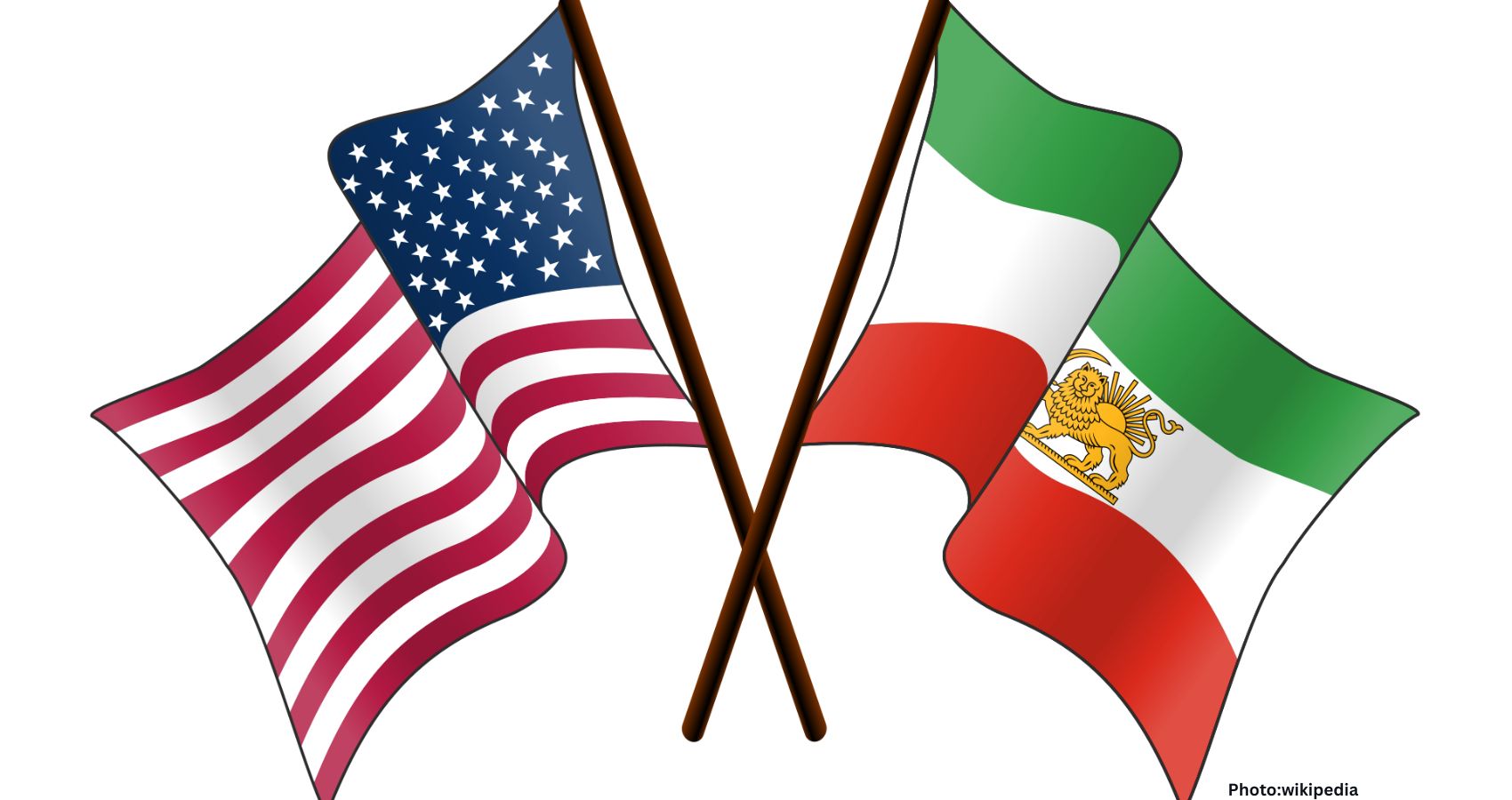
The proposed US-Iran negotiation framework suggests potential steps to address Iran’s nuclear program and maritime security, but significant disagreements remain between the two nations.
A preliminary framework for negotiations between the United States and Iran has emerged, outlining key proposals aimed at addressing the ongoing tensions between the two nations. The draft reportedly includes provisions for transferring or diluting Iran’s highly enriched uranium stockpile and reopening the strategically vital Strait of Hormuz within seven days of reaching an initial understanding.
According to Al Arabiya English, which obtained the draft, the proposal envisions direct negotiations between the US and Iran taking place in Doha, rather than Istanbul. Additionally, China may serve as a guarantor to help ensure compliance with the terms of any potential agreement.
The proposed arrangement would require Iran to take specific actions regarding its nuclear program and maritime security in exchange for the US easing sanctions, blockades, and other economic restrictions. However, it is important to note that this framework remains a preliminary draft, and neither side has formally accepted its terms.
One of the critical components of the reported proposal is the inclusion of an independent verification mechanism. This mechanism would assess whether both Washington and Tehran are adhering to their commitments before subsequent phases of an agreement are implemented. Furthermore, the draft outlines a dispute-resolution process involving mediators and guarantor countries, designed to address any delays or alleged violations and mitigate the risk of renewed military escalation.
As diplomatic efforts continue, a delegation from Qatar arrived in Tehran on Friday morning, according to Iran’s state news agency IRNA. The delegation, led by a senior adviser to Qatar’s prime minister and foreign minister, is reportedly coordinating with Washington as part of efforts to restore a ceasefire. The Qatari envoys also delivered a letter from US Vice President JD Vance to Iranian security official Mohsen Rezaei, which Tehran welcomed as a potential diplomatic avenue to prevent further US military action.
These diplomatic developments come amid statements from US President Donald Trump, who has asserted that Washington is not under pressure to conclude the conflict with Iran. Speaking to reporters in the Oval Office, Trump indicated that Iran is eager to negotiate but is facing domestic challenges, including difficulties in compensating military and police personnel. “There are talks. They want to talk. They keep talking,” Trump noted.
He emphasized that the US has time on its side, characterizing the conflict as distinct from a conventional war. Trump also downplayed the financial implications of the military campaign, claiming that the US has recouped its expenditures through developments in Venezuela, although he did not provide specific figures to support this assertion.
While Trump has previously suggested that further military action remains a possibility, he has also indicated that a negotiated agreement could still be on the table. The latest draft proposal reflects ongoing diplomatic efforts, yet significant disagreements over Iran’s nuclear program, sanctions, and maritime restrictions persist.
In addition to Qatar’s involvement, Türkiye has also intensified its diplomatic engagement with Washington. Turkish Foreign Minister Hakan Fidan met with US Secretary of State Marco Rubio on the sidelines of a G20 ministerial gathering hosted by the United States on Friday. According to Türkiye’s state-run Anadolu Agency, the discussions focused on negotiations between Washington and Tehran, regional developments, and bilateral relations.
This meeting followed a phone conversation earlier in the week between Trump and Turkish President Recep Tayyip Erdogan. Ankara has expressed concerns regarding maritime security and has supported diplomatic efforts aimed at reducing tensions in the region.
With both Qatar and Türkiye pursuing separate diplomatic channels, and with China potentially being considered as a guarantor under the reported framework, multiple countries are actively involved in efforts to prevent further escalation in the region.
As the situation continues to evolve, the international community remains watchful of the developments surrounding the proposed US-Iran negotiation framework and the broader implications for regional stability.
According to Al Arabiya English, the ongoing diplomatic outreach reflects a complex interplay of interests as both sides navigate the challenges of reaching a sustainable agreement.