
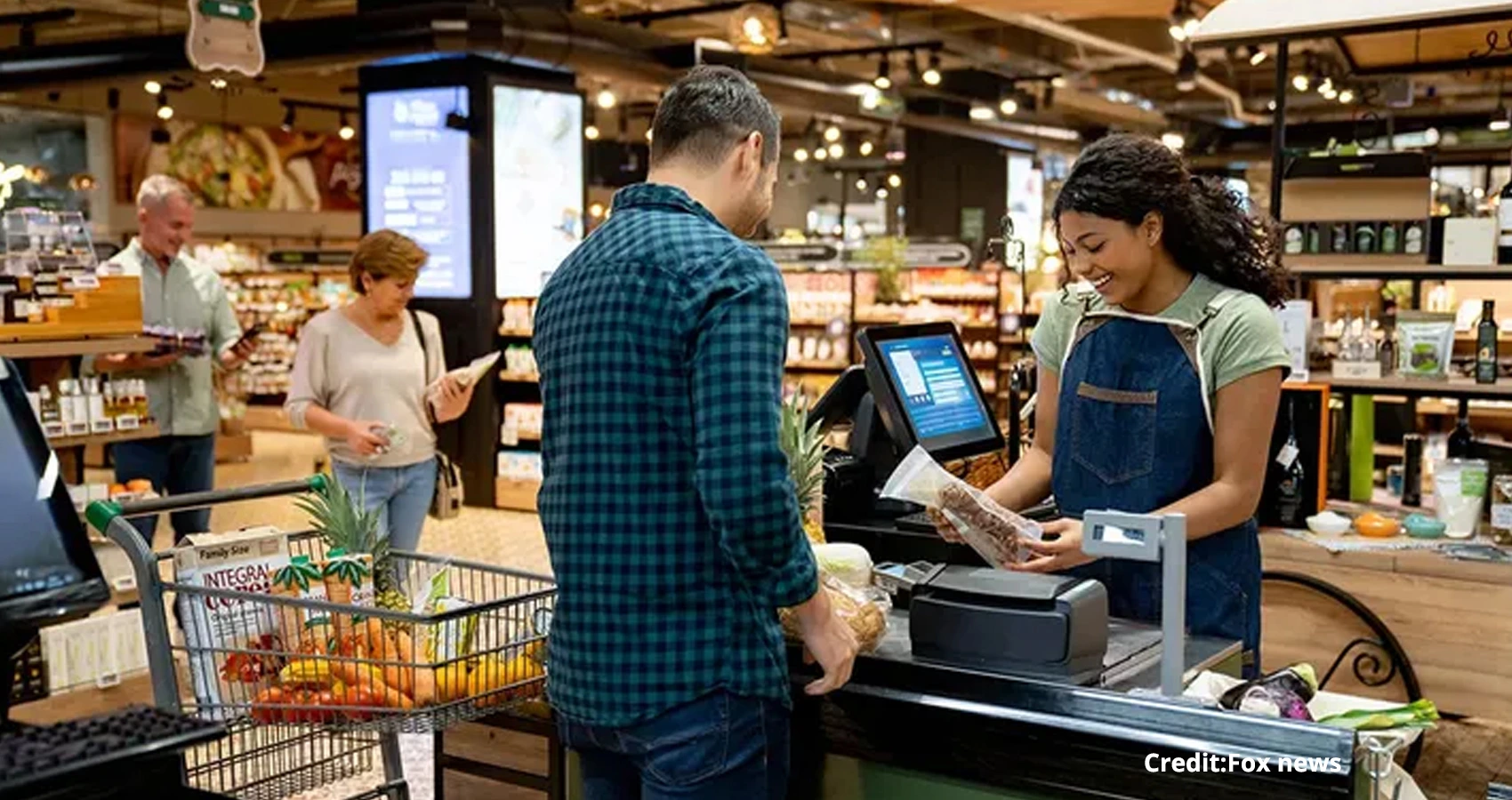
Workers in several Democratic-led states are set to receive significant minimum wage increases in 2027, with rates surpassing double the federal minimum wage of $7.25 an hour.
Workers across multiple Democratic-led states are preparing for substantial minimum wage increases starting January 1, 2027. This move will further widen the gap between state minimum wages and the federal minimum wage, which currently stands at $7.25 per hour.
Washington state is set to lead the way with a minimum wage increase to $17.73 per hour, a 60-cent rise from its current rate of $17.13. Connecticut will see its minimum wage increase from $16.94 to $17.48, while California’s wage will climb from $16.90 to $17.40. New Jersey will also raise its minimum wage by 56 cents to $16.48 for most workers, and Michigan is slated for a significant jump from $13.73 to $15 per hour.
While several Republican-led states have also increased their minimum wages above the federal rate, they still fall short of the highest-paying blue states. For instance, Florida’s minimum wage reached $15 an hour on September 30 and will remain at that level through the end of 2027. Missouri’s minimum wage is also set at $15, while Nebraska will increase its minimum wage from $15 to $15.26 on January 1.
In Washington, the statewide increase coincides with Seattle’s own wage hike, which is set to rise to $22.14 per hour in 2027—nearly $4.50 above the new statewide rate. This increase has sparked significant debate regarding the impact on local businesses, particularly as all employers in Seattle, including small businesses, will be subject to the same inflation-adjusted minimum wage starting in 2025. Some restaurant owners who have closed their businesses cited rising labor costs as a primary financial pressure.
Washington’s minimum wage is linked to inflation under state law, with the wage floor recalculated annually without needing legislative approval. Voters approved a measure in 1998 that raised the minimum wage and tied future increases to inflation starting in 2001. A subsequent measure approved in 2016 set wage increases through 2020. Since 2021, the minimum wage has again been adjusted annually based on inflation, aiming to keep workers’ pay aligned with rising prices.
Each September, the Washington Department of Labor & Industries calculates the following year’s minimum wage based on changes in the Consumer Price Index for Urban Wage Earners and Clerical Workers (CPI-W). The new rate is announced on September 30 and takes effect on January 1.
Critics of the wage hikes argue that they could exacerbate existing challenges for businesses. Jason Rantz, a conservative commentator and host of Seattle Red, expressed concerns about the impact of rising labor costs on the business climate in Washington. He stated, “Democrats appear to be doing everything they can to make the business climate in Washington more untenable.” Rantz pointed to the high cost of labor, rising crime rates, open-air drug use, and increased regulation as factors complicating business operations.
Washington’s unemployment rate reached 4.9% in August, surpassing the national average of 4.1% and increasing from 4.6% a year earlier, according to the state Employment Security Department. The state also experienced a loss of approximately 900 jobs that month, including 2,300 positions in the information sector. Employment in professional and business services declined by 13,100 jobs compared to the previous year.
Angela Rosen, the founder of Penelope and the Beauty Bar, which operates three spas in Seattle, noted that while her therapists earn above the minimum wage, the rising labor costs have forced her to make difficult decisions regarding staffing. “I had to cut my front desk,” Rosen told Rantz, explaining that this decision eliminated 12 shifts per week across two smaller locations.
The upcoming minimum wage increases in these blue states reflect ongoing debates about labor costs, business viability, and the broader economic landscape as the nation approaches 2027. As these changes unfold, the effects on both workers and businesses will likely continue to be a focal point of discussion.
According to Fox News, these developments highlight the complexities surrounding minimum wage policies and their implications for the economy.