
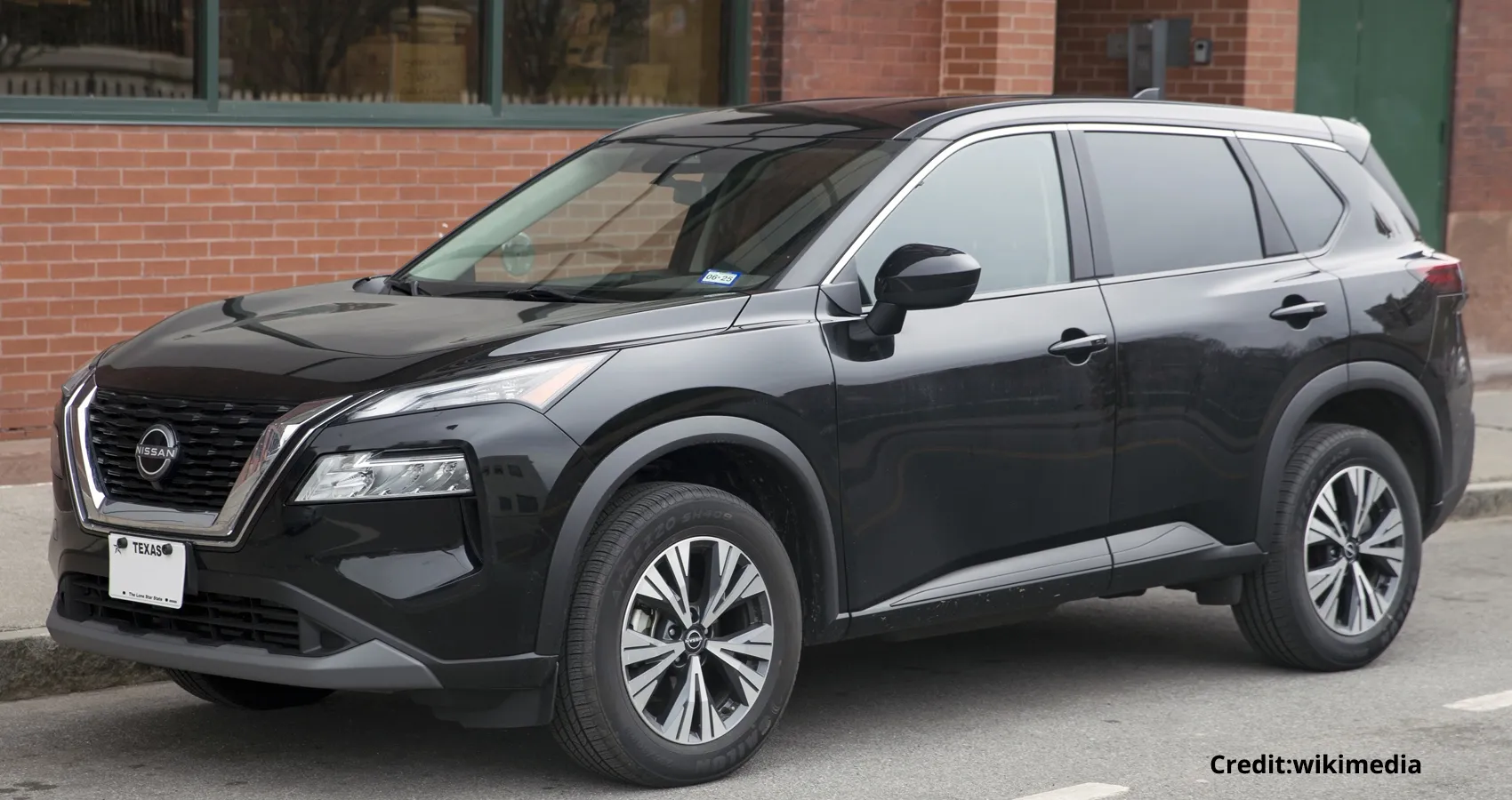
Nissan is planning to boost U.S. production as it prepares to launch the 2027 Rogue Hybrid, potentially adding a third shift at its manufacturing plants.
Nissan Motor Co. is gearing up to increase its production capacity in the United States with the upcoming launch of the 2027 Rogue, which will include a new hybrid variant. This hybrid model is seen as a crucial element of the company’s strategy in the U.S. market.
Christian Meunier, chairman of Nissan Americas, shared insights with CNBC, indicating that the company is currently operating near its manufacturing limits in the U.S. He stated, “We’re now maxing out the production capacity in the U.S. The next step is going to be three shifts.”
Nissan manufactures the Rogue and other crossover models at its expansive assembly plant in Smyrna, Tennessee, which spans approximately 6 million square feet. Additionally, the company operates a significant assembly facility in Canton, Mississippi, where it produces the Altima sedan and Frontier pickup truck. If Nissan proceeds with adding a third shift at both plants, Meunier suggested that U.S. production could rise to around 1 million vehicles annually, a substantial increase from nearly 487,000 vehicles projected for 2025.
On September 21, Nissan unveiled the 2027 Rogue for the U.S. market, featuring a new hybrid version that utilizes the company’s innovative e-Power technology. Unlike traditional hybrids, the e-Power system employs a gasoline engine to generate electricity, while electric motors power the vehicle’s wheels, eliminating the need for external charging.
The Rogue is a pivotal model for Nissan in the competitive compact crossover segment, facing rivals such as the Toyota RAV4 and Honda CR-V. Production of the gas-powered 2027 Rogue is set to commence at the Smyrna facility in spring 2027, while the hybrid variant is expected to begin production next year. To expedite availability for U.S. customers, Nissan plans to import hybrid Rogue models from Japan until domestic production ramps up.
The starting price for the Rogue Hybrid is anticipated to be $35,490, with the Platinum version priced at $43,490.
Nissan’s potential expansion of production capacity comes as the company aims to maximize the use of its existing manufacturing footprint rather than immediately constructing a new factory. The automaker has set an ambitious goal of producing 80% of the vehicles it sells in the U.S. domestically by 2030. Currently, there are no plans for a new U.S. plant; instead, management is focused on enhancing the utilization of existing facilities.
The Canton facility in Mississippi has an annual capacity of approximately 410,000 vehicles and employs around 3,200 workers, according to the company’s 2026 plant factsheet. This facility covers about 4.7 million square feet and is responsible for producing the Altima and Frontier models.
The Smyrna plant, on the other hand, is a key site for Nissan, producing the Rogue, Pathfinder, and Murano, as well as the Infiniti QX60. Nissan regards this facility as one of its major manufacturing operations in North America.
Meunier has emphasized the importance of the Rogue Hybrid in Nissan’s strategy to strengthen its foothold in the U.S. market. The company is entering a hybrid segment where competitors like Toyota and Honda have already established strong offerings. Nissan is optimistic that its e-Power technology will provide a unique approach to electrification, combining electric propulsion with a gasoline-powered generator without requiring drivers to plug in.
In addition to the Rogue, Nissan is working on a broader turnaround plan that includes adjustments to its vehicle lineup and increased utilization of its existing production capacity. The timing of the Rogue’s launch is critical, as it aligns with both product strategy and manufacturing capabilities. A successful rollout could enhance the utilization of Nissan’s U.S. factories, while the addition of a third shift at these plants could significantly elevate domestic vehicle output.
While the company has not confirmed the implementation of additional shifts, Meunier noted that this move is under consideration as Nissan evaluates demand for the new Rogue and other vehicles.
According to CNBC, the developments surrounding the 2027 Rogue and Nissan’s production strategy reflect the company’s commitment to adapting to market demands and enhancing its manufacturing efficiency.