
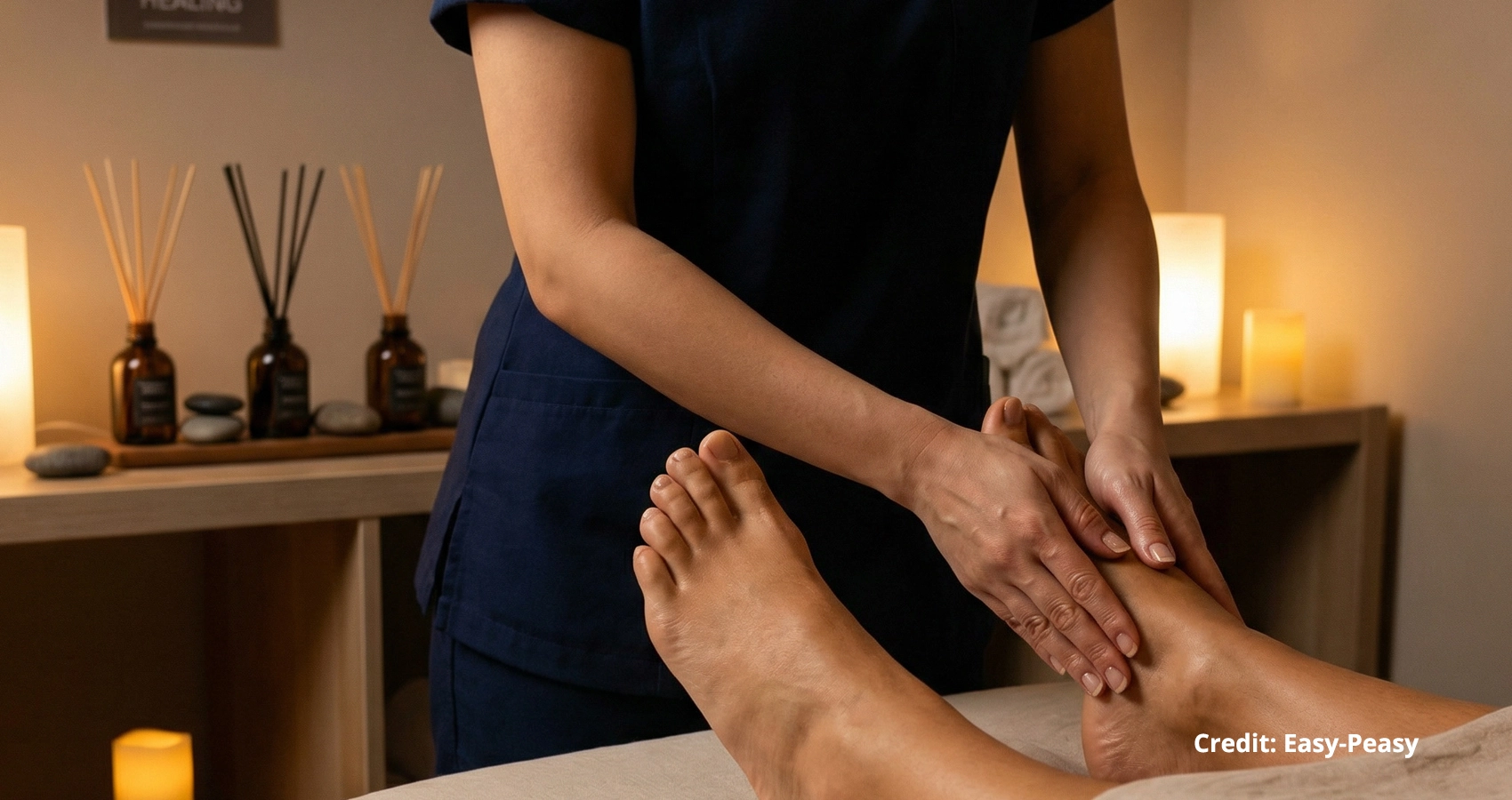
Some massage clients are reporting unexpected flu-like symptoms after treatments, sparking discussions about the phenomenon known as “massage flu,” though experts clarify that these reactions are not medically recognized.
A rising trend in wellness treatments has led to reports of clients experiencing unexpected symptoms after massages, including soreness, fatigue, and headaches. Many individuals have taken to social media to describe feeling unwell following their sessions, with some likening their experiences to having the flu. This reaction has been dubbed “massage flu,” although health professionals assert that it is not an official medical diagnosis.
“This phenomenon is something I have definitely heard of and had patients tell me,” said W. Zach Smith, a physical therapist based in Seattle and co-founder of HIDEF Physical Therapy. “The idea of this has been around a long time but is usually described as fatigue and soreness. The flu part of the name I have heard more recently.”
According to Smith, soreness can occur when significant pressure is applied to the muscles for an extended period, particularly for individuals who are not accustomed to receiving massages. “Any time you go in and apply a lot of pressure to a muscle for a long period of time, it can essentially bruise the tissue,” he explained.
Additionally, the body may experience a mild inflammatory response following a massage, which can further contribute to feelings of soreness. Drew Voelsch, a chiropractor at Forza Chiropractic in Illinois, echoed Smith’s observations, noting that he has also encountered patients referring to the reaction as “massage flu” or an “adjustment hangover.” He confirmed that the symptoms are real, pointing out that soreness, fatigue, and mild headaches may persist for 24 to 48 hours after treatment. “The label is social media,” Voelsch stated.
Headaches can also be triggered by massages focused on the neck, scalp, or jaw, as these areas are often involved in tension headaches, according to Smith. Both experts emphasized that the notion of massages releasing toxins from the body is a myth. “There is no basis or science behind this,” Smith asserted, while Voelsch concurred, stating that the liver and kidneys are responsible for the body’s waste removal processes.
To alleviate discomfort after a massage, Smith recommends requesting less pressure or opting for shorter sessions initially, gradually increasing the intensity and duration over time. Voelsch also suggests drinking water, consuming a light meal beforehand, and engaging in gentle movement afterward to help mitigate any adverse effects.
While mild soreness is generally not a cause for concern, Smith advises that new or persistent pain should prompt a consultation with a healthcare professional. “If you are having a new, unexplained pain that is persistent, that would be a good time to call your doctor,” he said. Voelsch added that individuals should seek medical advice if symptoms last longer than 72 hours or if they experience fever, sharp or radiating pain, numbness or tingling, spreading swelling or bruising, or faintness.
As the popularity of massage therapy continues to grow, understanding the potential reactions and how to manage them is essential for clients seeking relaxation and relief from tension.
For more insights on health-related topics, visit Fox News Digital.