
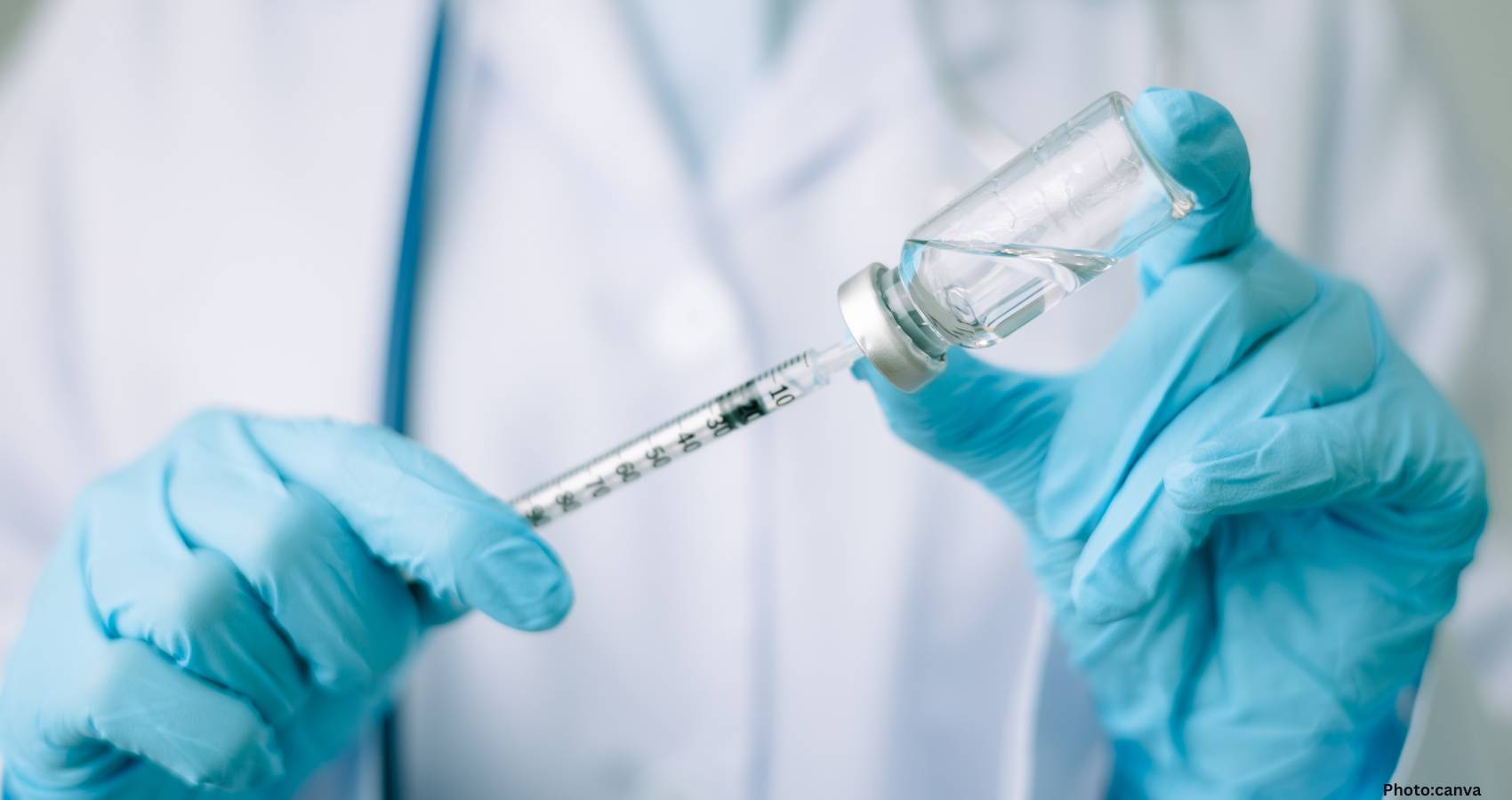
The Phase 3 trial of an mRNA cancer vaccine developed by Merck and Moderna shows promise in preventing the recurrence and spread of melanoma in patients post-surgery.
In a landmark clinical trial, an experimental mRNA cancer vaccine developed by Merck and Moderna has demonstrated a significant reduction in the risk of melanoma returning or spreading after surgery. This Phase 3 trial marks a pivotal moment in cancer research, as it is the first positive outcome for an mRNA-based personalized cancer therapy.
The study, known as INTerpath-001, involved 1,137 patients worldwide who had undergone surgery to remove high-risk melanoma, classified as Stage IIB through Stage IV. Participants were randomly assigned to receive either Keytruda, a well-known immunotherapy, combined with the personalized vaccine, or Keytruda with a placebo.
Results indicated that patients receiving the combination therapy experienced significantly improved “recurrence-free survival,” meaning their cancer was less likely to return compared to those who received Keytruda alone. Additionally, the combination therapy also enhanced “distant metastasis-free survival,” which measures how long patients remain alive without cancer spreading to other parts of the body.
Stéphane Bancel, CEO of Moderna, emphasized the significance of these findings, stating, “These Phase 3 findings represent a pivotal moment for the field of cancer research. For many years, the idea of creating an mRNA treatment designed specifically for an individual patient’s cancer was aspirational. We are now helping turn that vision into a reality.”
Unlike traditional vaccines that protect against external viruses, this custom-tailored mRNA vaccine, known as intismeran autogene, is a therapeutic vaccine administered after surgery. Its purpose is to train the body to identify and eliminate any remaining cancer cells.
After a tumor is surgically removed, doctors analyze both the cancerous tissue and healthy cells. Advanced algorithms then assess the tumor’s genetic sequence to select up to 34 tumor-specific neoantigens to encode in the personalized treatment.
Dr. Murad Alam, chief of dermatology at Northwestern Medicine in Chicago, highlighted the uniqueness of each melanoma, stating, “They’re slightly different in every patient, which is why traditional chemotherapies often stop working or don’t work in a particular patient.” He described the vaccine as an individualized immunotherapy that targets specific issues in each patient.
The individualized approach aims to direct the immune system toward tumor-specific targets, effectively distinguishing cancer cells from normal cells. Dr. Alam explained, “It doesn’t hit normal cells, and it hits the cancer cells very effectively because it’s not just a generic vaccine. It’s one that specifically knows the signs of your cancer and can find it.”
While the vaccine is designed to extend the lives of patients with advanced melanoma, it is not intended for individuals without the disease, even if they have a family history that may increase their risk. Dr. Alam clarified, “This is designed for people where the melanoma has grown to the point where it’s threatening not just the local area of the skin, but their whole lives.”
Artificial intelligence plays a crucial role in determining which antigens to include in the vaccine, enhancing its effectiveness. Dr. Alam noted, “These things are difficult, and, historically, [they] took a lot of time, and it just wouldn’t be feasible to do this for every individual patient without the power of AI. And I’m sure that will become better and better in the future.” AI allows for the efficient development of personalized vaccines tailored to individual patients.
Following the successful Phase 3 trial results, Merck and Moderna announced plans to engage with regulatory authorities worldwide, including the U.S. Food and Drug Administration, regarding potential regulatory filings. The companies are also exploring the application of this vaccine technology against other challenging cancers, such as lung, bladder, and kidney cancers.
Dr. Alam expressed optimism about the broader implications of this approach, stating, “I think the underlying concept of targeting a particular tumor with the specific markers on that tumor is generalizable, meaning you could do this with different kinds of skin cancer or different kinds of cancer in general. It’s very exciting.”
Despite the promising results, it is important to note that the findings are still in the early stages and did not specify how long patients remained cancer-free. Additionally, the Phase 3 trial results were based on investigator assessments rather than an independent central review. The study focused solely on patients with specific stages of melanoma who had undergone surgery and had no prior drug treatments, which may limit the applicability of the results to other cancer types or stages.
Merck reported that the side effects of the treatment were consistent with those observed in earlier studies, with no new safety concerns identified. Dr. Alam reiterated that the vaccine appears to offer both a “tremendous benefit [and] good side effect profile.” He added, “When you’re getting very strong cancer medications, even when they work, the toll on the patient is often terrible. It alters their life during the course of treatment where there’s tremendous suffering.” He noted that because the vaccine is so targeted, it minimizes damage to normal cells, resulting in milder side effects, such as fatigue, chills, and localized pain at the injection site.
As research continues, the potential of personalized mRNA vaccines in cancer treatment represents a significant advancement in the fight against melanoma and possibly other cancers in the future, according to Fox News.