
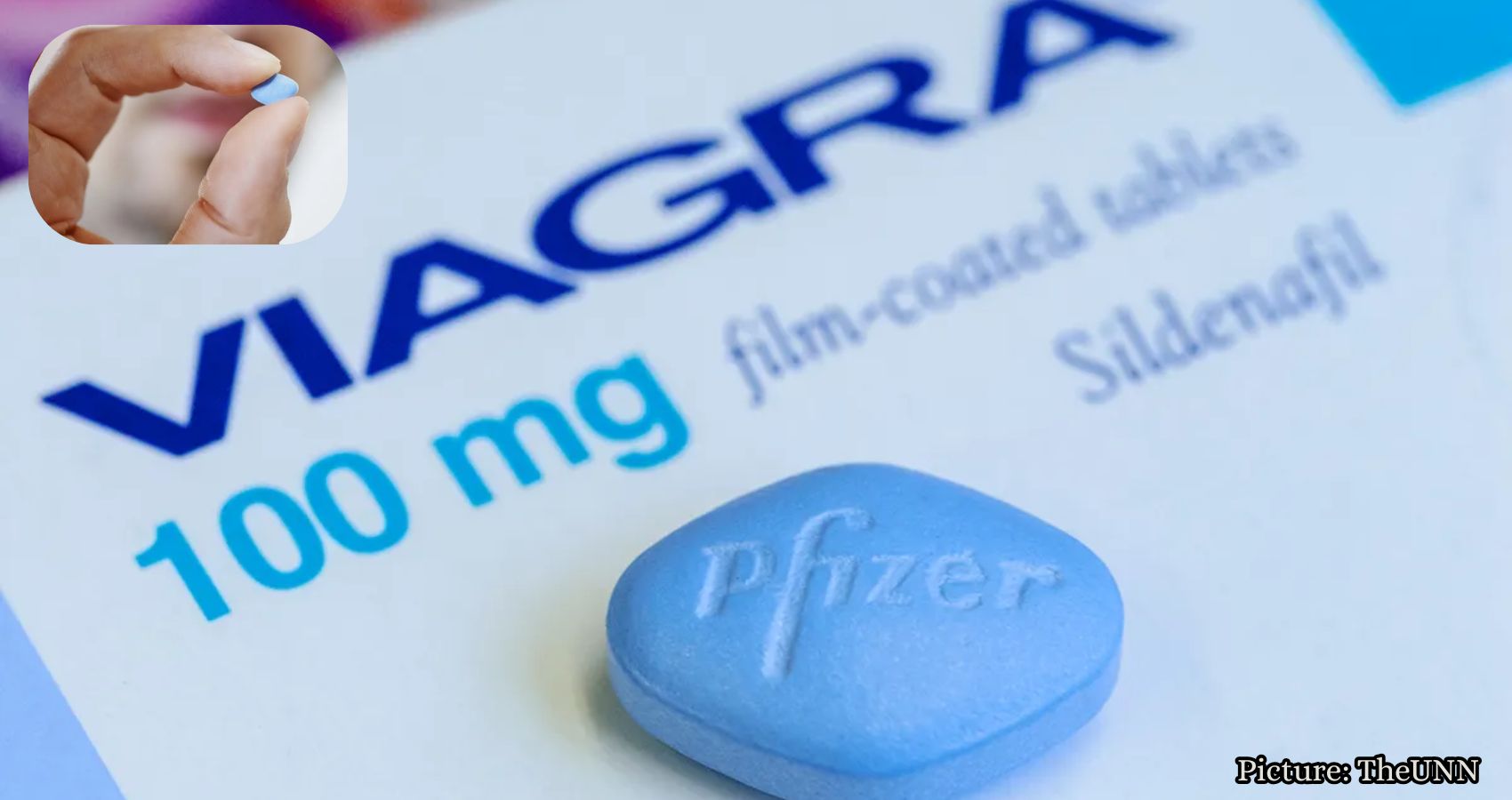
New research suggests that sildenafil, the active ingredient in Viagra, may help prevent cancer metastasis by limiting cholesterol access to cancer cells.
Sildenafil, the active ingredient in Viagra, may have unexpected benefits beyond its well-known use for erectile dysfunction. Recent research indicates that this medication could play a role in preventing cancer metastasis, offering new hope for cancer patients.
Originally developed to treat high blood pressure and angina, Viagra gained popularity for its ability to enhance blood flow during sexual stimulation. However, a new study published by the American Association for Cancer Research highlights its potential anti-cancer properties.
Researchers at the Weizmann Institute of Science in Israel, led by Dr. Yarden Ariav under the guidance of Professor Ayelet Erez, found that sildenafil may restrict the spread of cancer by limiting cancer cells’ access to cholesterol. This research involved a comprehensive analysis of human and mouse cancer cells, genetic experiments, and 20 years of health data from 5 million members of Clalit Health Services, Israel’s largest nonprofit healthcare provider.
The study revealed that sildenafil inhibits an enzyme known as phosphodiesterase type 5 (PDE5) and increases the levels of a signaling molecule called cyclic guanosine monophosphate (cGMP). This mechanism is responsible for dilating blood vessels, a feature that has made Viagra a successful treatment for erectile dysfunction.
Importantly, the researchers discovered that cGMP binds to a protein that transports cholesterol within cells, thereby reducing the availability of cholesterol for critical cellular functions. Cancer cells, which rely heavily on cholesterol for their growth and migration, are particularly vulnerable to this reduction.
Based on these findings, the research team proposed that combining Viagra-related drugs with statins—medications that lower cholesterol—could slow the spread of cancer by further limiting tumor cells’ access to both existing and newly produced cholesterol.
Dr. Erez commented on the implications of the study, stating, “We have uncovered a new biological pathway that links a well-known signaling molecule to cholesterol regulation within cells and shown how this pathway can be harnessed to interfere with the ability of cancer cells to form metastases.” She emphasized the importance of considering a patient’s overall metabolic state and existing medications when tailoring effective cancer therapies.
While the study’s findings are promising, the researchers acknowledged limitations, particularly regarding the use of mouse models, which may not always translate directly to human treatment. Additionally, the human evidence gathered is observational, indicating an association rather than a definitive cause-and-effect relationship.
As the medical community continues to explore the potential of sildenafil beyond its traditional use, these findings could pave the way for innovative approaches to cancer treatment. The study underscores the importance of a holistic view of patient care, focusing not only on the cancer itself but also on the broader context of the patient’s health.
For further insights, refer to the original study and statements from the researchers involved.
According to Fox News Digital, the implications of this research could significantly impact how cancer therapies are developed in the future.