
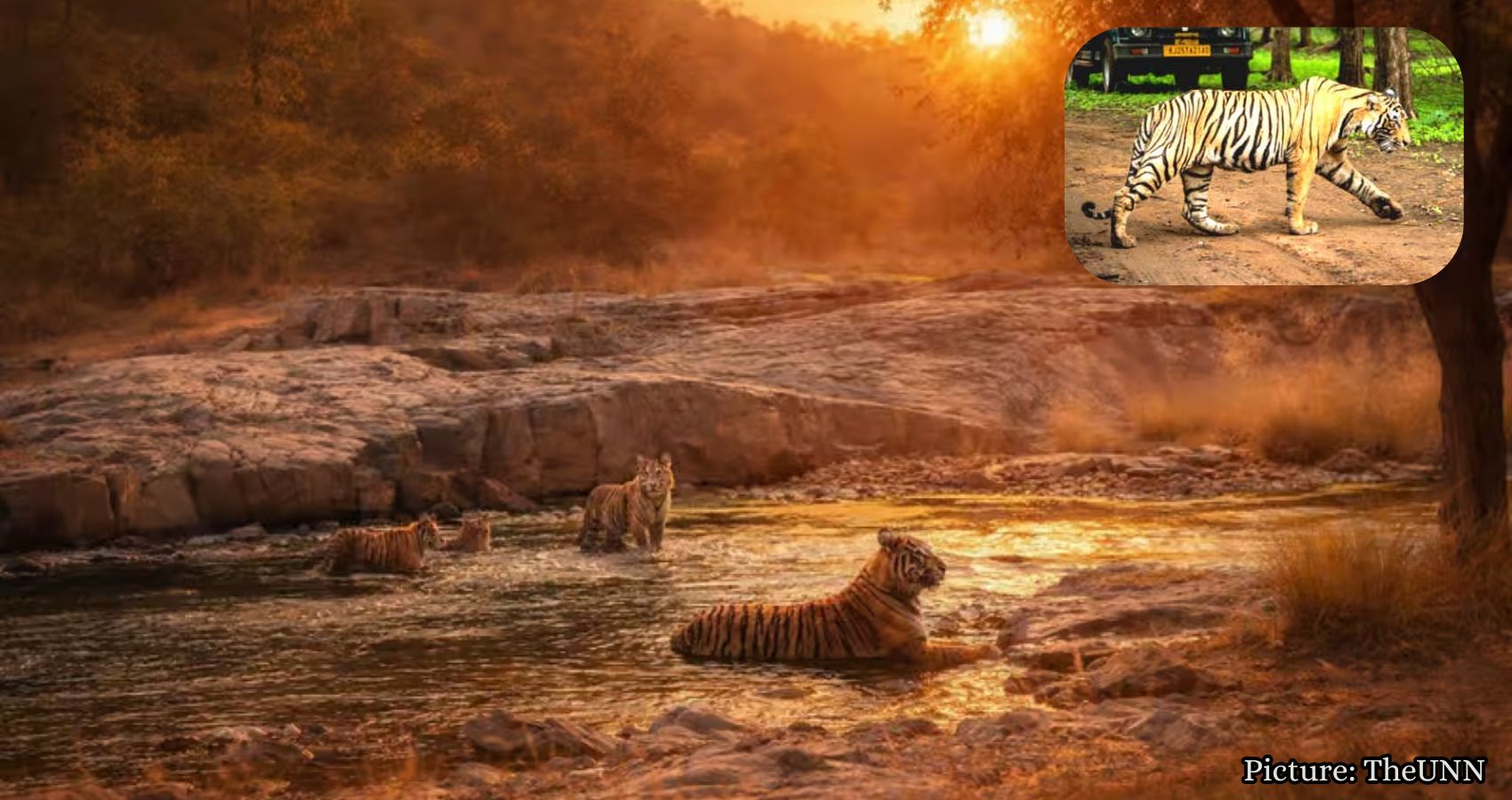
Ranthambore National Park in Rajasthan offers a captivating blend of wildlife, historic ruins, and diverse landscapes, making it a prime destination for nature enthusiasts and conservation advocates alike.
On a hot, humid afternoon in June, I entered Ranthambore National Park in Rajasthan, where the dry, deciduous forest had transformed the landscape into a striking amber hue. The land appeared parched, eagerly awaiting the relief of the monsoon season. This visit coincided with the last weekend before the park was set to close for the rains, and I felt fortunate to have planned this last-minute trip from Delhi.
As we ventured into the park through Zones 3 and 4, the excitement was palpable. These areas are renowned for high tiger sightings, and Zone 3 is often regarded as the heart of Ranthambore. In the distance, the ruins of Ranthambore Fort loomed, surrounded by rugged hills, serene lakes, and expansive grasslands.
Less than thirty minutes into our safari, my anticipation was rewarded spectacularly. Just a few feet from our jeep, we spotted a full-grown Bengal tiger lounging leisurely in a small puddle of water within a nearly dry seasonal stream. The sight was breathtaking, a reminder of the park’s rich wildlife.
On the second day, we set out early through Zone 4, where the terrain was rockier yet offered open spaces. Here, we observed sambar deer grazing at the waterholes, alongside chital, the spotted deer native to the Indian subcontinent. The area was alive with the presence of peacocks, storks, and various other birds.
Ranthambore is home to a remarkable diversity of wildlife. The Bengal tiger stands out as the primary attraction and apex predator, sharing its habitat with other big cats, such as leopards. The sambar, India’s largest deer, boasts majestic antlers, while the chital is often regarded as the most beautiful. Additionally, nilgai, wild boar, and langurs are common prey for the tigers.
The tiger, however, is more than just a captivating creature; it symbolizes conservation success in India. The alarming decline in tiger populations decades ago led to the establishment of Project Tiger, one of the country’s most ambitious wildlife conservation initiatives. Ranthambore became a flagship reserve for this project.
Today, Ranthambore is celebrated as one of India’s most successful conservation efforts for tigers. As I departed the reserve, I was left in awe of the historic ruins, the lush forest, the tranquil lakes, and the vibrant grasslands, all of which contribute to the thriving ecosystem that supports the majestic tiger.
According to India Currents, Ranthambore National Park remains a testament to the importance of wildlife conservation and the beauty of nature.