
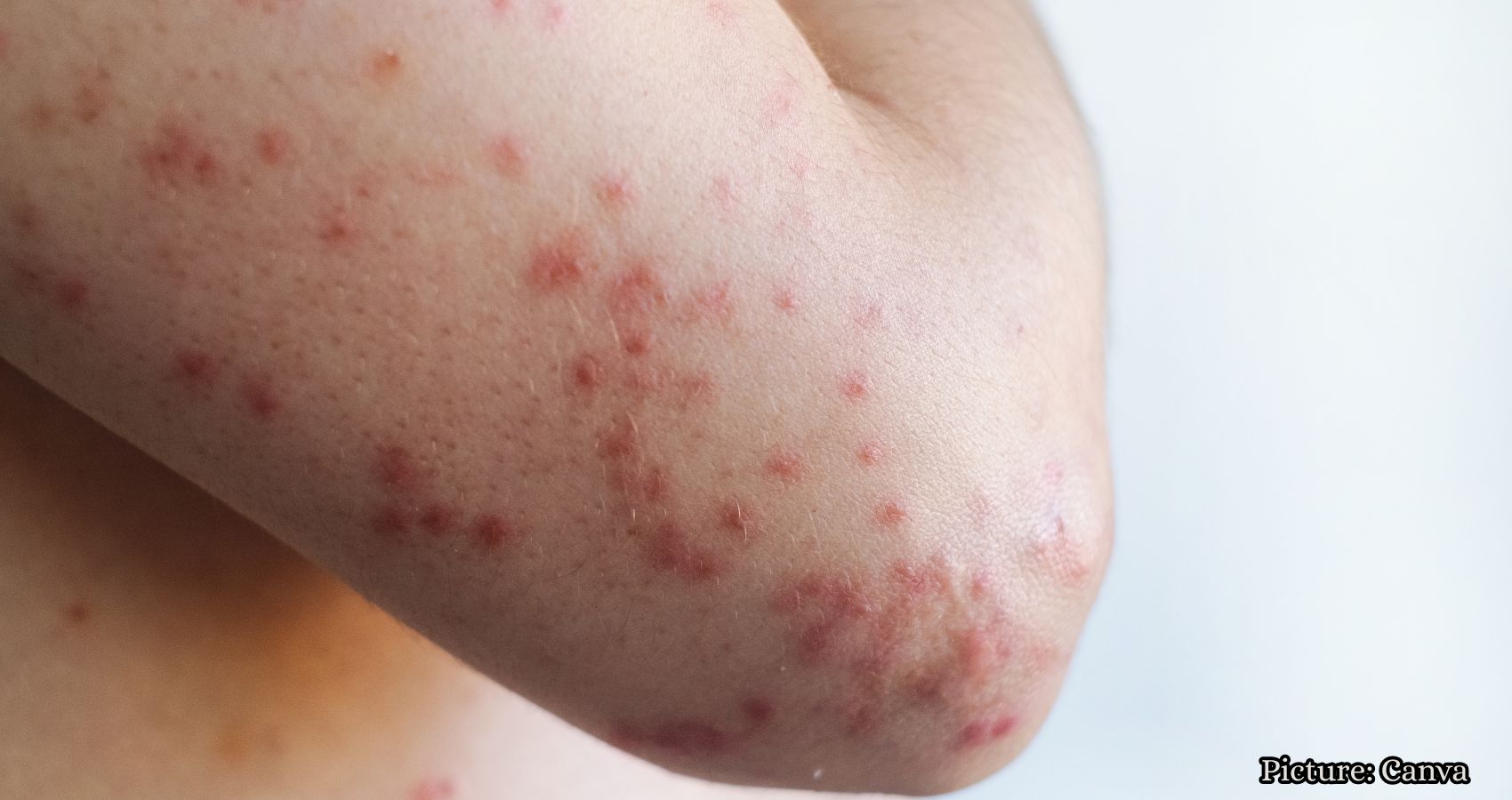
Measles outbreaks are resurging in the U.S., attributed to declining vaccination rates, prompting health experts to emphasize the importance of maintaining high immunization coverage to prevent further spread.
In the year 2000, the United States declared that it had eliminated measles, largely due to the effectiveness of the two-dose vaccine for children. However, recent data from the Centers for Disease Control and Prevention (CDC) reveals a troubling resurgence of the disease, with a total of 4,459 reported cases over the past 18 months. Outbreaks have been particularly notable in states such as South Carolina, Texas, and Utah.
During a recent briefing organized by the American College of Medicine (ACoM), experts highlighted the highly contagious nature of the measles virus and its associated health risks, which include pneumonia, severe dehydration, immune suppression, and even death. The fatality rate for measles is approximately three in every 1,000 cases, and there has been a concerning increase in reported cases among adults over the age of 20. Utah, in particular, has been grappling with a year-long outbreak, where vaccination rates have fallen below 84% for children receiving both doses of the measles, mumps, and rubella (MMR) vaccine.
The situation is dire in the Somali community in Minnesota, where a measles outbreak occurred in 2024. Alarmingly, only one in four children in this community received their first MMR shot by the age of two.
Patsy Stinchfield, a pediatric nurse practitioner and executive director of the Measles Collaborative, explained that even a slight drop in vaccination coverage can lead to rapid spread of the virus. “The virus is the same as it has been. It came back because we let our guard down. And because measles circulates globally and importation is a constant risk, we’ve got to keep our vaccine rates up,” Stinchfield stated. To effectively prevent the spread of measles, a community vaccination coverage of 95% is required.
Measles spreads primarily through respiratory droplets when an infected person coughs or sneezes. Once contracted, the virus can quietly replicate in the body, affecting the lungs and potentially leading to pneumonia or severe diarrhea and dehydration. It can also impact the brain, vision, and hearing, and in rare cases, can be fatal. Common symptoms include high fever, runny nose, rash, pink eye, loss of appetite, and lethargy, with immune system impacts that may take years to recover from.
Dr. Benjamin Neuman, a professor of biology at Texas A&M University, discussed the efficacy of the current vaccine against the strains circulating today, specifically B3 and D8. He emphasized that unlike rapidly mutating viruses like influenza and COVID-19, measles has remained relatively stable since it was first isolated in the 1950s. “Measles infection gives you immunity that lasts pretty much lifelong, so it’s much better at creating immunity,” Dr. Neuman noted.
One of the key points raised during the briefing was the need to combat vaccine misinformation, particularly within the Somali community in Minnesota. Many parents have delayed vaccinating their children until age five due to unfounded fears that the MMR vaccine causes autism or a belief that the virus is no longer a threat in the U.S. Stinchfield highlighted efforts to address these misconceptions through community gatherings and discussions with local leaders.
Experts also pointed to Utah’s ongoing outbreaks, which are fueled by low vaccination rates in certain areas, often stemming from a lack of trust in government and public health authorities. Over the past year, Utah has reported 704 measles cases, a number that experts believe may be an undercount, indicating that the actual figures could be higher.
Dr. Andrew Pavia, a professor and chief of the Division of Pediatric Infectious Diseases at the University of Utah, noted that approximately one-fourth of measles cases have been identified in adults. He warned that both adults over 20 and children under five are at a higher risk of severe illness, hospitalization, and complications from measles. As of last week, there have been over 50 hospitalizations among young children and adults due to the virus.
Measles also poses a significant threat to pregnant women, as the virus can severely impact them and may be transmitted to their infants if contracted within 14 days of delivery. Dr. Pavia recounted a tragic case in Ontario where three infants died because their mothers had measles shortly before giving birth. In Utah, 12 pregnant women developed measles close to delivery, but fortunately, all their children survived. “For women considering pregnancy, being immune to measles is absolutely critical,” Dr. Pavia stressed, noting that vaccination cannot occur during pregnancy.
The CDC Advisory Committee on Immunization Practices (ACIP) has recently undergone significant changes under the leadership of Robert F. Kennedy Jr. Dr. Jose Romero, former health secretary of Arkansas and former chair of ACIP, expressed concern that the current selection process for committee members undermines the diversity and rigor that previously characterized the panel. He noted that the recent decisions, including those regarding the Hepatitis B vaccine, have lacked the robust debate and transparency that were hallmarks of the ACIP process.
Long-term effects of measles also remain a concern. Dr. Pavia explained that a particularly severe outcome is Subacute Sclerosing Panencephalitis (SSPE), a rare but fatal neurological condition that can be prevented with two doses of the MMR vaccine. Experts unanimously agreed that vaccination is the safest option to limit the spread of the virus and strongly advised individuals to get vaccinated, especially when traveling.
As the U.S. faces a resurgence of measles, health officials stress the importance of maintaining high vaccination rates to protect public health and prevent further outbreaks, according to India Currents.