
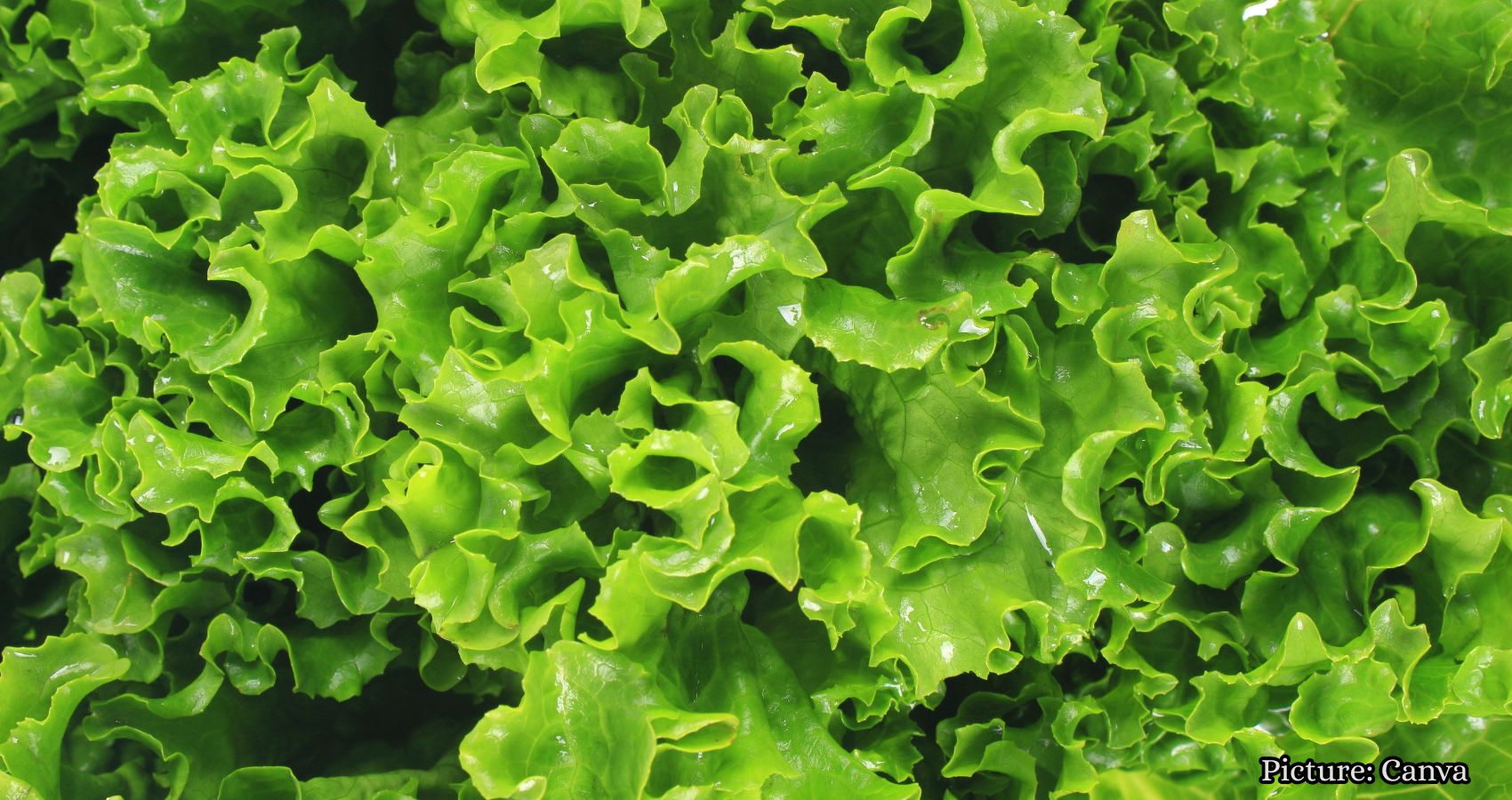
Infections from the cyclospora parasite are surging across the U.S., with Michigan officials pointing to lettuce as a potential source of the outbreak.
NEW YORK (AP) — Infections caused by the diarrhea-inducing parasite cyclospora are on the rise, with state-level data indicating that 2026 may already be the worst year for reported cases in the United States.
More than 30 states have reported infections this year, with current figures surpassing the previous U.S. record of approximately 4,700 cases set in 2019. Although the illness is not typically life-threatening, it is usually treated with antibiotics.
Health officials have yet to pinpoint the exact cause of the infections. On Tuesday, federal health authorities noted that different areas may exhibit varying infection patterns, although they suspect that cases in at least four states—Michigan, Ohio, Kentucky, and West Virginia—are interconnected.
In Michigan, where over 3,300 cases have been reported, health officials are investigating lettuce or salad greens as a possible source of the outbreak. “Early information has shown lettuce as a common product that regularly comes up during the investigation,” stated Natasha Bagdasarian, the chief medical executive of the Michigan health department.
Given this commonality and the history of produce being linked to previous cyclospora outbreaks, Michigan officials are advising consumers to purchase whole heads of lettuce, discard the outer layers, and thoroughly wash the remaining leaves. They also recommend avoiding bagged lettuce and pre-mixed salad kits.
In response to the situation, Taco Bell announced on Tuesday that it had “voluntarily and temporarily removed limited ingredients at select restaurants as a precautionary measure.” The chain emphasized its commitment to closely monitoring the situation and adhering to public health guidance.
During a press call on Tuesday, federal health officials did not directly address whether Taco Bell or any specific food vendor is under investigation. Donald Prater, Acting Deputy Commissioner for Food at the U.S. Food and Drug Administration, stated, “FDA certainly is continuing its traceback investigation on multiple produce items, also including locations that are reported by the case patients before they became sick.”
Cyclospora is a microscopic, spherical parasite that often leads to watery diarrhea characterized by frequent and sometimes explosive bowel movements, according to the U.S. Centers for Disease Control and Prevention (CDC). Outbreaks of the illness typically occur in late spring and summer.
The parasite thrives in warm conditions and spreads through feces. Historically, infections have been linked to the consumption of fruits or vegetables that have been exposed to feces-contaminated irrigation water.
While cyclospora is less prevalent than foodborne illnesses caused by other pathogens such as salmonella and E. coli, many cases remain unlinked to specific food sources. For years, the number of reported cyclospora outbreaks in the U.S. was low, but there has been a notable increase over the past decade, particularly in 2018 and 2019.
Experts suggest that cyclospora cases may have been underreported in the past, partly due to the limitations of common tests used for foodborne illnesses, which often do not detect cyclospora. They attribute the rising trend in cases to climate change and improved detection methods.
The year 2019 remains the worst on record for cyclospora infections, with around 4,700 illnesses reported, according to federal data. The CDC maintains these statistics, but they typically lag behind the reports from local health departments managing outbreaks in real-time.
On Tuesday, CDC officials issued a health alert indicating that since May 1, they are aware of 1,645 confirmed domestic cases, along with more than 5,100 cases pending further analysis to determine if they were acquired in the U.S. These reports come from 34 states, and no fatalities have been reported, according to the CDC.
The actual number of cases is likely higher than reported, as some individuals may experience milder symptoms and not seek medical attention. Gwen Biggerstaff, deputy director of the CDC’s Division of Foodborne, Waterborne, and Environmental Diseases, noted that it can take days to weeks for symptoms to manifest after exposure to the parasite. While it remains unclear how many people are currently being infected or if many exposures occurred earlier, officials expect case numbers to continue rising through August.
The CDC also provided information regarding the investigation of the outbreak affecting the four states. Although the federal alert did not specify how many cases originated from each state, Michigan officials reported over 3,300 cases, while northwest Ohio has seen more than 1,100. New York City officials counted over 400 cases, and Illinois reported more than 200 infections.
Health officials do not believe all cases can be traced back to a single source. For instance, in Illinois, more than half of the infected individuals reported recent travel outside the United States, suggesting that some may have contracted the parasite abroad.
However, Michigan officials suspect that a significant portion of their cases is linked to a domestic outbreak. The CDC has not elaborated on why they currently believe the cases in Michigan, Ohio, Kentucky, and West Virginia are part of the same outbreak.
For further information, consult the CDC and local health authorities.
According to The Associated Press.