
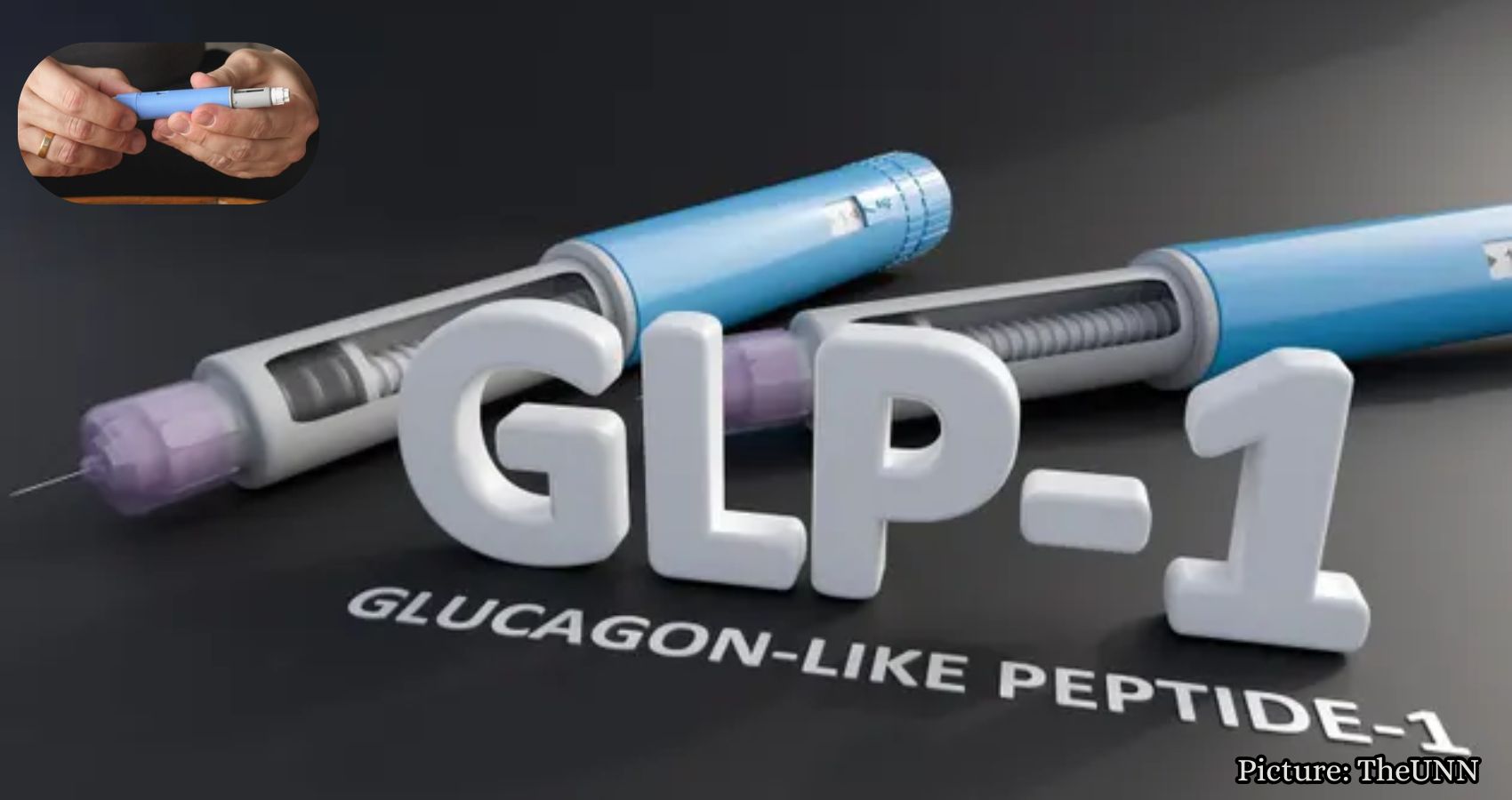
Johnson & Johnson has opted out of the GLP-1 obesity drug market to focus its resources on a $50 billion expansion in oncology, aiming to become a leader in cancer treatment by 2030.
In a strategic move that diverges from current pharmaceutical trends, Johnson & Johnson (NYSE: JNJ) has announced its decision to forgo the lucrative glucagon-like peptide-1 (GLP-1) obesity drug market. Instead of competing in a capital-intensive race against established players like Eli Lilly and Novo Nordisk, the healthcare giant is reallocating its financial resources toward oncology and neurological diseases. This pivot is part of a broader strategy that includes a multi-billion-dollar acquisition campaign, highlighted by the recent purchases of Halda Therapeutics and Firefly Bio. Johnson & Johnson aims to achieve an ambitious target of $50 billion in annual cancer drug revenue by 2030.
During a presentation on June 16 at the Economic Club of Washington, D.C., Chief Executive Officer Joaquin Duato clarified the company’s long-term capital allocation strategy. He firmly stated that Johnson & Johnson would not participate in the “weight-loss gold rush,” addressing months of speculation regarding whether the company would develop its own anti-obesity therapies.
The decision to bypass the GLP-1 sector is significant, especially considering the projected growth of the global weight-loss market. According to Goldman Sachs, the anti-obesity market is expected to reach approximately $95 billion by 2030. Additionally, reports from the Initiative for Medicines, Access & Knowledge (I-MAK) indicate that the top five GLP-1 formulations from Eli Lilly and Novo Nordisk could generate a staggering $470 billion in revenue by the end of the decade. The economic implications of these therapies are substantial, with J.P. Morgan estimating that widespread GLP-1 usage could reduce annual food and beverage industry revenues by $30 billion to $55 billion by the early 2030s.
In a discussion with Carlyle Group co-founder David Rubenstein, Duato maintained a composed demeanor while addressing the competitive landscape. “We are not going to be in the GLP-1 area,” he stated, emphasizing that Johnson & Johnson would focus on maximizing returns in sectors where it already has established scientific infrastructure and market share, particularly in oncology and complex brain disorders.
Rather than pursuing late-stage clinical trials for weight-loss treatments, Johnson & Johnson is channeling its resources into becoming the world’s leading oncology provider by 2030. The company has set a clear goal of achieving $50 billion in annual cancer drug sales by the end of the decade.
To build its therapeutic pipeline, Johnson & Johnson has engaged in a series of acquisitions aimed at enhancing its capabilities in precision medicine. On December 29, 2025, the company completed a $3.05 billion all-cash acquisition of Halda Therapeutics, integrating its proprietary Regulated Induced Proximity TArgeting Chimera (RIPTAC) platform into Johnson & Johnson’s innovative medicine division. Halda’s lead asset, HLD-0915, is currently undergoing Phase 1/2 clinical evaluation for metastatic castration-resistant prostate cancer (mCRPC), designed to overcome existing mechanisms of tumor resistance.
Building on this foundation, Johnson & Johnson announced on June 8, 2026, a definitive agreement to acquire South San Francisco-based Firefly Bio for $1 billion in cash. Firefly Bio specializes in developing degrader antibody conjugates (DACs), a novel therapeutic approach that combines the precise targeting of antibody-drug conjugates with the intracellular destruction capabilities of protein degraders. Johnson & Johnson plans to leverage Firefly’s proprietary Firelink platform to target tumors driven by mutations in the KRAS gene, which are often associated with challenging colorectal, pancreatic, and non-small cell lung cancers.
This concentrated shift into precision oncology aims to offset anticipated revenue declines from Johnson & Johnson’s legacy products. The company’s leading immunology medication, Stelara (ustekinumab), is facing increasing revenue pressures as lower-cost biosimilar competitors enter the market. Analysts have been closely monitoring how Johnson & Johnson plans to bridge this impending financial gap.
Currently, the primary revenue driver for Johnson & Johnson’s pharmaceutical division is its multiple myeloma franchise, led by the blockbuster biologic Darzalex (daratumumab). This portfolio generated approximately $4 billion in the first quarter of 2026 alone. Investment banking analysts at Morgan Stanley have adjusted their financial models to reflect the company’s oncology-first strategy, raising their price target on JNJ stock to $283, citing the strong commercial performance of the myeloma franchise and the long-term potential of the newly acquired RIPTAC and DAC platforms.
However, independent pharmaceutical analysts caution that the oncology strategy carries inherent clinical and regulatory risks. Johnson & Johnson faces a mid-term challenge as Darzalex is set to lose key patent protections later this decade, exposing its core revenue driver to biosimilar competition. Additionally, the assets acquired through the Halda and Firefly transactions are still in early developmental stages, requiring years of rigorous clinical evaluation before they can achieve regulatory approval from the U.S. Food and Drug Administration (FDA). The ambitious $50 billion sales target by 2030 leaves little room for error, necessitating a steady stream of positive data from ongoing clinical trials.
Despite these challenges, public equity markets have responded positively to Johnson & Johnson’s focused strategy. The company’s stock is currently trading near $239 per share, reflecting an approximate 15% increase year-to-date and nearing its 52-week high of $251.71. With a market capitalization of roughly $576 billion, Johnson & Johnson is trading at a trailing price-to-earnings (P/E) ratio of 28. The company reported a nearly 10% year-over-year revenue increase in the first quarter of 2026, reaching approximately $24 billion, which exceeded consensus analyst estimates and prompted management to raise its full-year financial guidance. For conservative, long-term investors, the stock offers a steady 2.2% dividend yield, providing a reliable income stream while the company’s oncology pipeline develops.
According to Source Name, Johnson & Johnson’s strategic focus on oncology reflects a calculated response to the evolving pharmaceutical landscape and the company’s commitment to addressing significant unmet medical needs.