
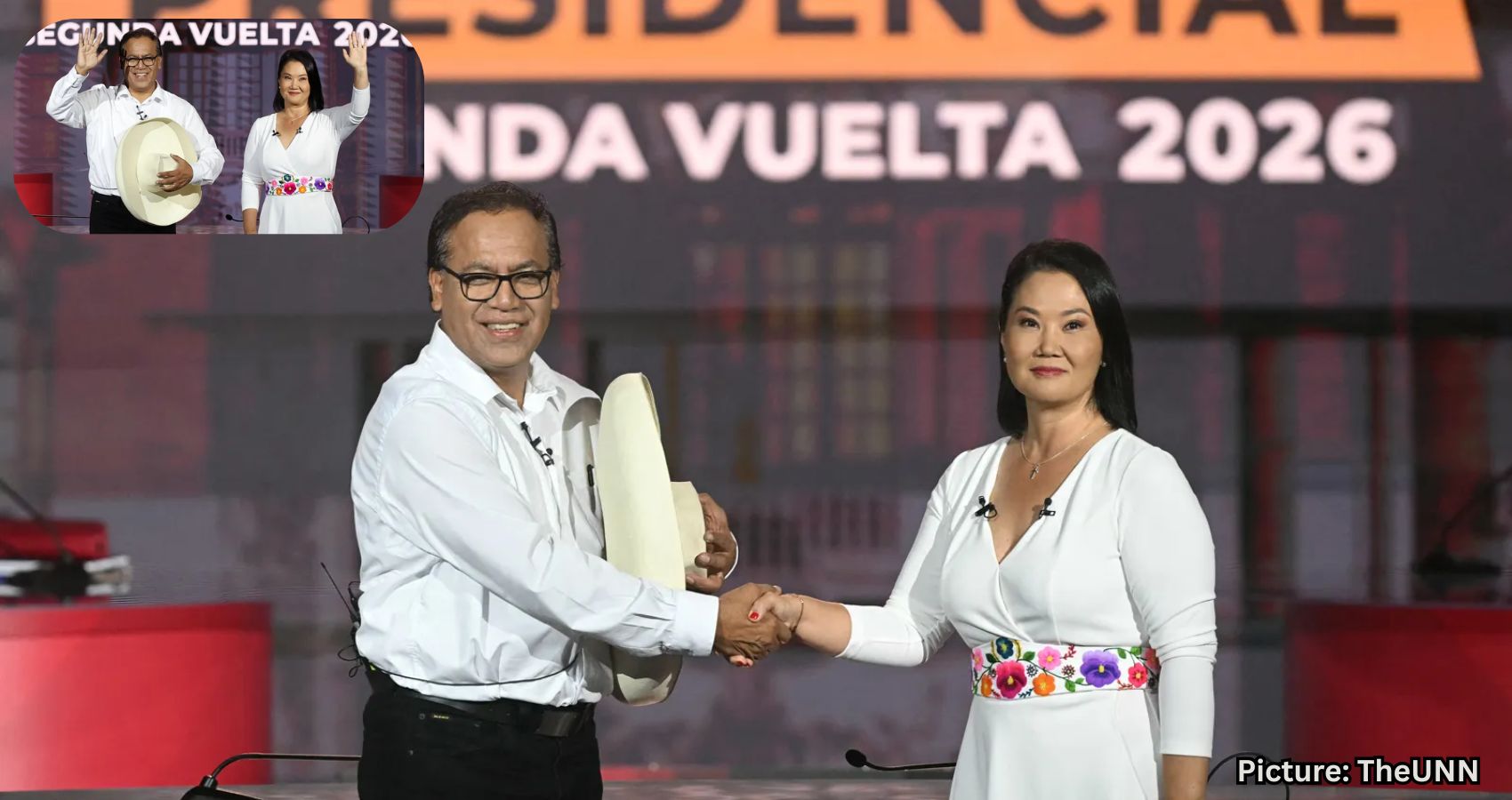
Peru is poised for a pivotal presidential runoff between Keiko Fujimori and Roberto Sánchez, as voters confront rising crime, political instability, and a deepening distrust in their leaders.
Peru is gearing up for a significant presidential runoff election that could influence the nation’s trajectory following years of political upheaval. Voters will decide between conservative politician Keiko Fujimori and left-wing congressman Roberto Sánchez in a contest that highlights the profound divisions within the South American country.
This election occurs amidst widespread frustration among Peruvians over escalating crime rates, corruption scandals, and frequent changes in government. Over the past decade, the country has witnessed eight different presidents, fostering uncertainty and eroding public trust in political institutions. Current polls indicate a tightly contested race, with both candidates virtually tied.
The presidential runoff is scheduled for June 7, 2026, after no candidate secured more than 50 percent of the vote in the initial round held in April. Electoral authorities have confirmed Fujimori and Sánchez as the two candidates advancing to this critical second round.
More than 27 million Peruvians are eligible to participate in the election, including citizens residing abroad. Officials anticipate that the close nature of the race may prolong the outcome, with potential recount requests likely to follow.
The runoff features two candidates with starkly contrasting political ideologies. Keiko Fujimori, the leader of the Fuerza Popular (Popular Force) party, is a conservative politician and the daughter of former President Alberto Fujimori. This marks her fourth attempt to secure the presidency, having finished first in the initial round with just over 17 percent of the vote.
Roberto Sánchez, a left-wing congressman and former minister under ex-President Pedro Castillo, secured second place in the first round with just over 12 percent of the vote. He has garnered support from rural communities and those aligned with Castillo.
The 2026 election is drawing international attention due to Peru’s status as one of Latin America’s largest mining economies and a key supplier of copper and other essential minerals. Investors and foreign governments are closely monitoring the election, as both candidates have proposed divergent approaches to economic policy, governance, and foreign relations. The outcome could significantly impact investment, trade, and political stability in the region.
Many voters are expressing disillusionment after years of political instability. The country has experienced a cycle of multiple presidents, corruption investigations, and ongoing confrontations between Congress and the executive branch. Political analyst Santiago Pedraglio encapsulated the public sentiment, stating, “Politicians have lost a lot of credibility, and very few people trust them anymore.”
This lack of confidence was evident during the first round of voting, where millions of Peruvians either abstained or intentionally spoiled their ballots, despite mandatory voting laws.
Public safety has emerged as a central issue in the election. Surveys indicate that many citizens fear becoming victims of crime, particularly extortion and violent attacks. Fujimori has centered her campaign on promises to combat crime through stricter law enforcement measures, often referencing her father’s record against insurgent groups during the 1990s. She argues that Peru requires stronger security policies.
In contrast, Sánchez has proposed police reforms and increased support for security forces while also emphasizing social and economic reforms.
Fujimori remains one of Peru’s most recognizable political figures, but her candidacy is deeply polarizing. Supporters credit her father with stabilizing the country and defeating insurgent groups, while critics highlight human rights abuses and corruption linked to his administration. Analysts suggest that many voters harbor concerns that a Fujimori presidency could undermine democratic institutions.
Pedraglio noted that some Peruvians fear “authoritarian government and that the separation of powers won’t be respected.”
Recent polling indicates that neither candidate holds a clear advantage. An Ipsos survey released prior to the runoff showed Sánchez receiving 43.8 percent support, while Fujimori stood at 43.2 percent, placing both candidates within the margin of error and effectively tied. These close numbers reflect a deeply divided electorate and suggest that voter turnout could play a crucial role in determining the next president.
The winner of the runoff will inherit a nation grappling with significant challenges, including public distrust, economic concerns, and ongoing political instability. Regardless of who prevails, the next president will face immense pressure to restore confidence in government and address the issues that have long frustrated Peruvians. As voters prepare to head to the polls, this election represents not only a choice between two candidates but also a critical test of Peru’s ability to move beyond a decade of political turbulence.
According to The Sunday Guardian, the stakes are high as Peruvians prepare to make their voices heard in this pivotal election.