
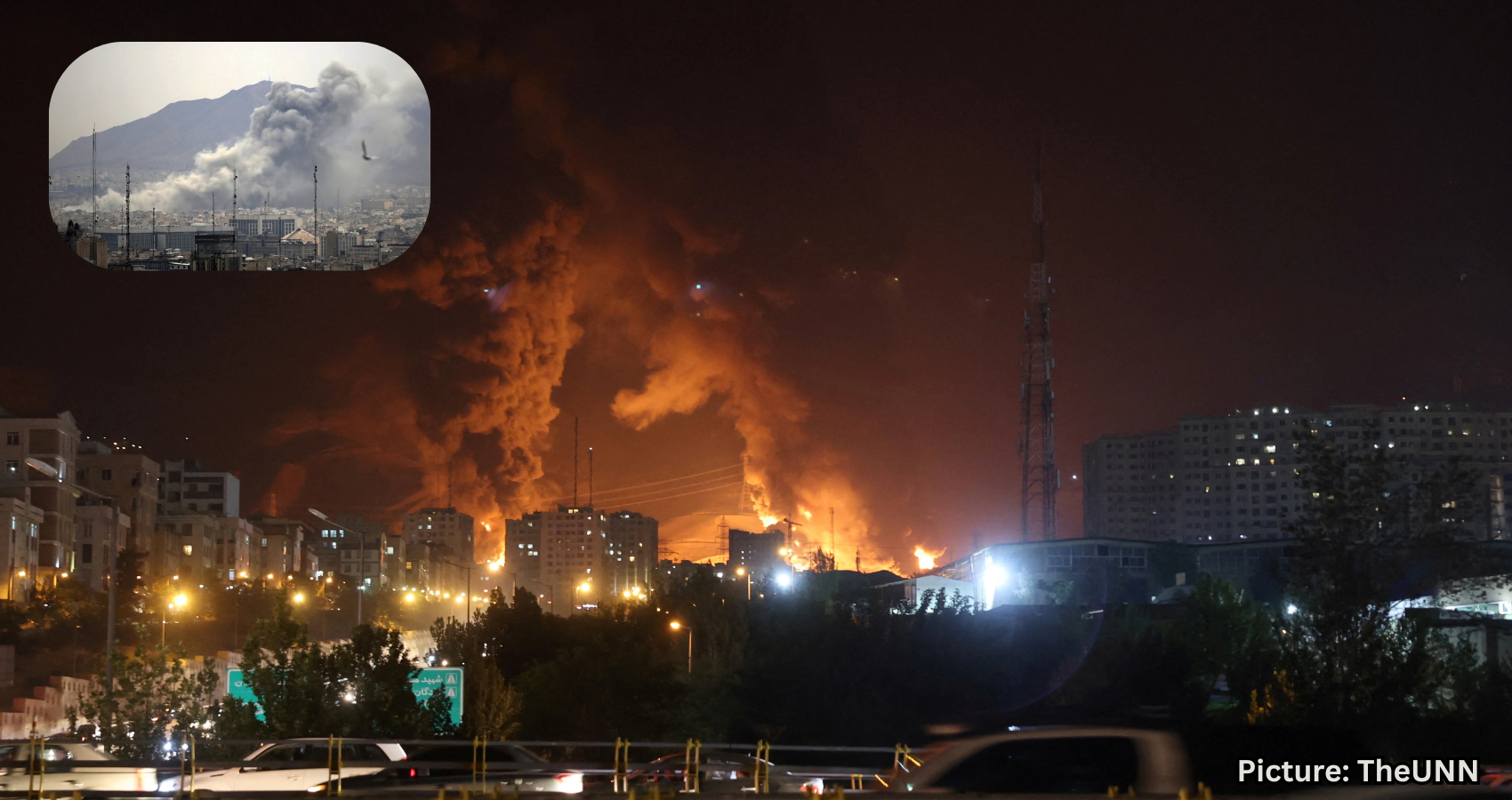
The future of US-Iran peace talks is uncertain as Iran pauses negotiations with the US amid rising tensions in the Middle East, despite President Trump’s insistence that diplomacy continues.
Diplomatic efforts between the United States and Iran have hit a significant snag following Iran’s decision to suspend indirect negotiations with Washington. This development comes in the wake of escalating military actions by Israel in Lebanon, raising concerns about the future of peace talks and the potential for renewed conflict in the region.
The diplomatic process aimed at easing tensions between the US and Iran has faced fresh uncertainty. Iranian officials have indicated that any agreement to resolve the ongoing conflict must include a cessation of Israeli military operations, particularly in Lebanon. This demand has complicated efforts to secure a longer ceasefire and restore stability in a region already fraught with tension.
Recent Israeli military actions in Lebanon have further complicated the situation. Iranian officials argue that these operations violate the broader ceasefire framework that regional mediators have been trying to uphold. As tensions rise between Israel, Hezbollah, Iran, and the United States, the prospects for a peaceful resolution appear increasingly fragile.
Adding to the tension, senior Iranian military official Mohammad Jafar Assadi issued a stark warning regarding the possibility of renewed conflict. He stated, “The United States demands our total surrender, and the Iranian nation will never surrender. Without surrender, war is inevitable.” Assadi’s remarks reflect the growing frustration among Iranian leaders and underscore the deep divisions that persist between Tehran and Washington, despite ongoing diplomatic efforts.
In contrast, President Donald Trump has maintained that negotiations have not collapsed. In a post on Truth Social, he asserted, “Talks are continuing, at a rapid pace, with the Islamic Republic of Iran.” Trump emphasized that he had not received any official communication from Tehran confirming a complete halt to negotiations. He suggested that discussions could still progress, even if public communication slows down temporarily.
The Trump administration remains optimistic about the possibility of reaching a new agreement with Iran. Recent statements indicate that Washington is seeking to extend the current ceasefire and facilitate the reopening of the Strait of Hormuz, a critical route for global oil shipping. Trump has expressed hope that progress can still be made and that a deal could emerge in the near future if both sides remain engaged in diplomatic discussions.
Iran’s suspension of talks appears closely linked to the ongoing situation in Lebanon. Tehran has consistently argued that Israel’s military operations in the region undermine the ceasefire framework that mediators are attempting to maintain. Iranian officials have made it clear that negotiations cannot proceed unless military actions against Lebanon cease. They have also warned that continued attacks could provoke a stronger response from Tehran and its regional allies, raising fears of a broader conflict in the Middle East.
Despite the suspension of public negotiations, reports from Iranian media suggest that Tehran is still reviewing a proposed framework for a potential agreement with the United States. However, Iranian officials remain cautious due to longstanding mistrust and concerns stemming from previous disputes with Washington. This indicates that while public discussions may be paused, diplomatic channels are not entirely closed.
One of the key sticking points in the negotiations remains the Strait of Hormuz. This vital waterway is crucial for global oil and gas exports, and any disruption could have significant implications for international energy markets. Reports indicating that Iran may consider further action around the Strait have already triggered volatility in oil prices and heightened concerns among global investors.
As it stands, Iran has linked any return to negotiations to developments in Lebanon. Meanwhile, Trump continues to express optimism about the ongoing diplomatic efforts, suggesting that a broader agreement is still within reach. While both sides maintain a tough stance, neither Washington nor Tehran has formally ruled out the possibility of future negotiations. Consequently, while diplomatic efforts remain alive, the path toward a lasting agreement appears increasingly tenuous.
According to The Sunday Guardian, the situation continues to evolve, and the international community is closely monitoring developments in the region.