
Dr. Manoj Sharma discusses coping strategies and treatment options for colorectal cancer, emphasizing the importance of support networks and self-care for patients like Vidhan, a 64-year-old diagnosed with Stage 1IA cancer.
Colorectal cancer is a significant health concern, ranking as the third most deadly and fourth most diagnosed cancer worldwide. Dr. Manoj Sharma, a Professor of Social and Behavioral Health and Internal Medicine, and President of Health for All, Inc., provides insights on coping with this diagnosis through the story of Vidhan, a 64-year-old accountant from Michigan.
Vidhan began experiencing symptoms such as abdominal pain, bloating, constipation, fatigue, and unexplained weight loss. After consulting his primary care provider, he underwent several tests, including a colonoscopy, which confirmed a diagnosis of Stage 1IA colorectal cancer. Faced with this life-altering news, he sought guidance on how to navigate his situation.
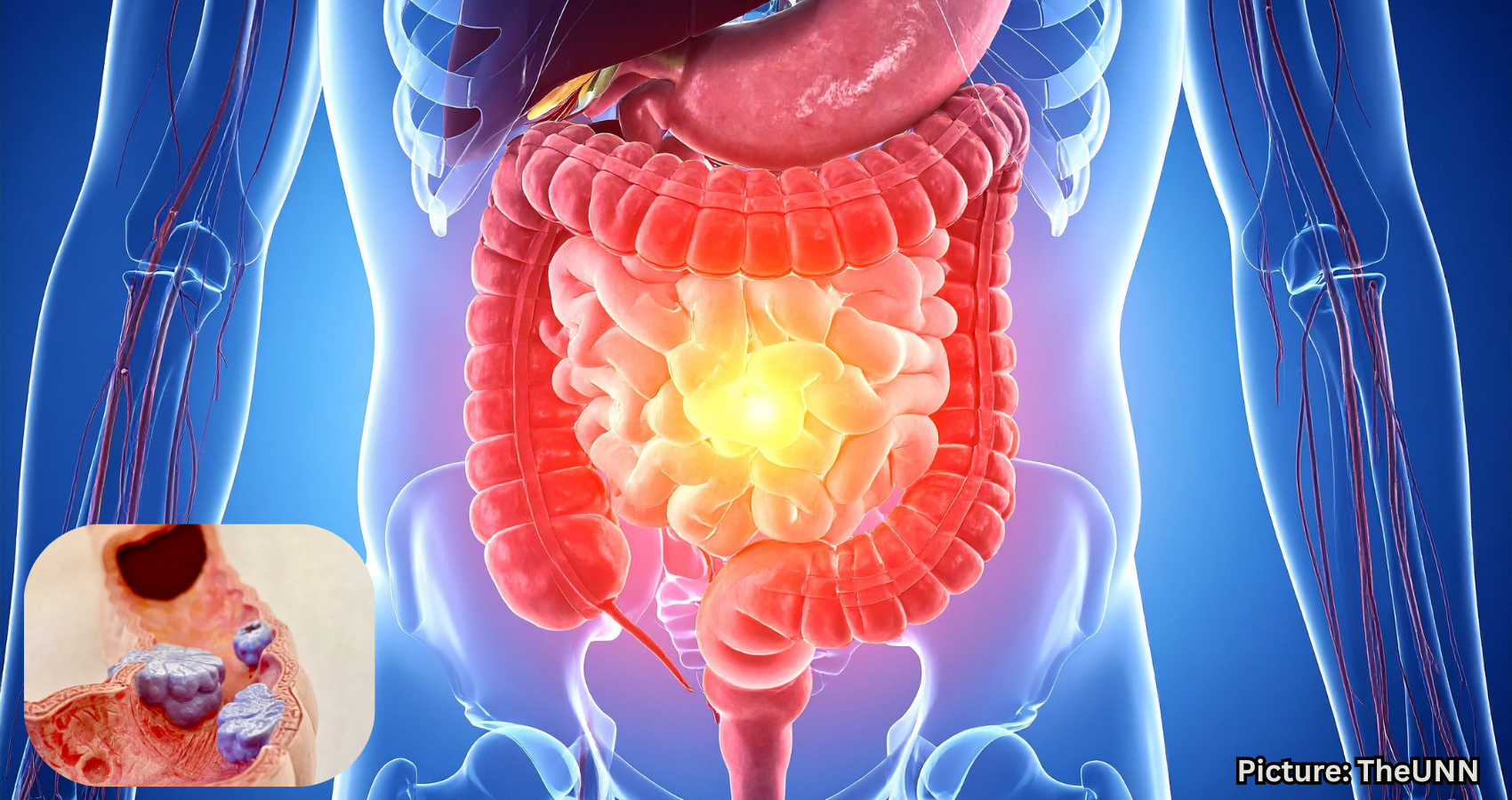
Dr. Sharma explains that colorectal cancer typically originates from polyps in the inner lining of the large intestine. When these polyps exhibit abnormal growth, they can develop into cancer. Understanding the stages of colorectal cancer is crucial for patients and their families.
The progression of colorectal cancer is categorized into five stages. Stage 0 indicates the presence of abnormal polyps detected during a colonoscopy. Stage 1 involves at least one cancerous polyp in the colon wall. Stage II is further divided into three substages, with cancer spreading through the colon wall but not yet affecting the outer layer or nearby organs. Stage III signifies that cancer has spread to nearby lymph nodes, while Stage IV indicates metastasis to distant organs, such as the lungs or abdominal lining.
While the exact cause of colorectal cancer remains unclear, several risk factors have been identified. These include being over the age of 50, having a family history of cancer, possessing multiple polyps, certain genetic conditions, obesity, smoking, and excessive alcohol consumption. Dietary factors, such as low calcium intake and specific gut microbiota, may also contribute to the risk.
In terms of treatment, Dr. Sharma emphasizes the importance of adhering to medical advice. Surgery is often the primary treatment for localized colorectal cancer, which may involve polypectomy (removal of polyps) or colectomy (removal of a section of the colon). For Stage II cancers, chemotherapy may be recommended, and in later stages, radiotherapy could be necessary. Each patient’s medical team is best equipped to determine the most appropriate treatment plan.
Beyond medical treatment, Dr. Sharma highlights the significance of a robust support network. Patients should educate themselves about their condition and treatment options while actively managing their emotional and physical health. Maintaining a sense of normalcy, staying positive, and engaging in open communication with healthcare providers can help patients regain a sense of control over their lives.
Patients undergoing treatment for colorectal cancer may experience various side effects. Common surgical complications include discomfort, digestive issues, changes in bowel habits, and the risk of hernia. Chemotherapy can lead to fatigue, neuropathy, nausea, diarrhea, vomiting, hair thinning, and an increased risk of infection. Long-term effects may include chronic diarrhea, constipation, incontinence, decreased libido, and pain.
When discussing survival rates, Dr. Sharma reassures patients like Vidhan that early detection significantly improves prognosis. For Stage IIA colorectal cancer, the five-year relative survival rate is estimated to be over 90%. This stage indicates that the tumor has penetrated the muscle layer of the bowel wall but has not spread to lymph nodes or distant sites, often resulting in a favorable outlook.
While yoga and meditation are not curative for cancer, they can play a supportive role in managing symptoms and enhancing quality of life. Specific yoga poses, such as seated twists, wind-relieving pose, cobra pose, and child’s pose, can aid digestion and alleviate bloating. Meditation can help reduce stress and improve coping mechanisms for cancer survivors.
For those seeking additional resources, Dr. Sharma recommends several reputable websites, including the Cleveland Clinic and Mayo Clinic, which provide comprehensive information on colorectal cancer. The Colorectal Cancer Alliance and WebMD also offer valuable tips for coping with a cancer diagnosis and treatment.
For further inquiries, Dr. Manoj Sharma can be reached at editor@indiacurrents.com.
As patients like Vidhan navigate their journey with colorectal cancer, understanding the disease, treatment options, and the importance of support can empower them to face the challenges ahead.