
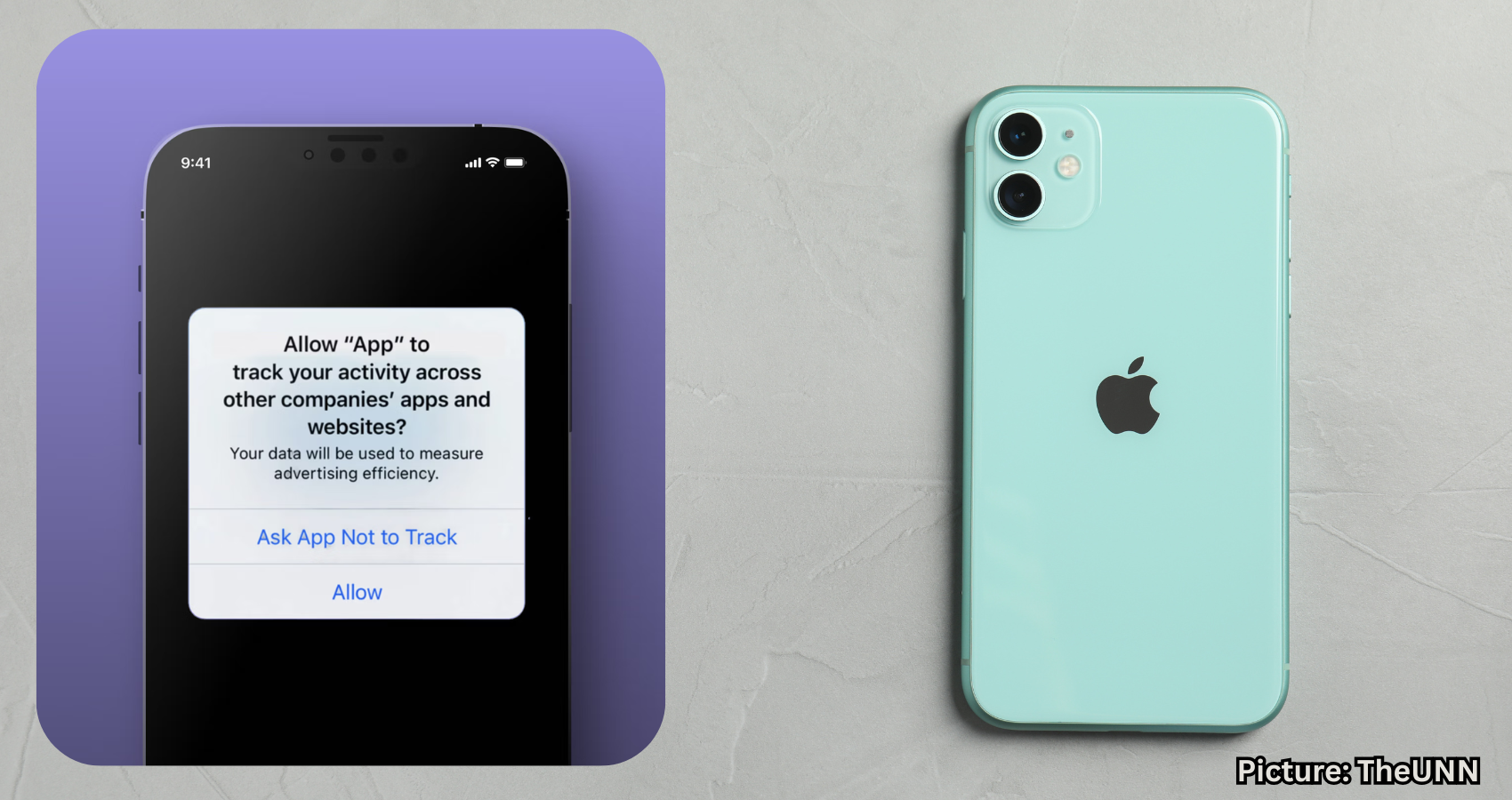
Apple devices do not secretly record conversations, but they do listen for specific commands and collect certain data, raising privacy concerns primarily from third-party apps.
Are Apple devices spying on you? This question has become increasingly common, especially as users notice ads that seem eerily tailored to their recent conversations. A recent inquiry from a concerned user named Bill highlights this issue, prompting a closer examination of how Apple devices collect data and what privacy settings users should consider adjusting.
The short answer to whether Apple devices are secretly recording everything you say is no. However, they do listen in specific ways and gather certain types of data. Understanding how this process works can empower users to make informed decisions about their privacy settings.
When using Siri on your iPhone or other Apple devices, the device is always listening locally for the wake phrase. It is important to note that this does not mean it is recording full conversations. Instead, when Siri hears the trigger phrase, it begins processing your request. While much of this processing now occurs directly on the device, there are instances when Siri may send requests to Apple’s servers for additional processing.
Accidental activations can occur, leading to short snippets of audio being processed unintentionally. Apple positions itself as a privacy-focused company, particularly in comparison to competitors like Google and Meta Platforms. This reputation is generally well-founded, but it is essential to recognize that Apple still collects certain types of data based on user settings.
Apple claims that much of the data collected is anonymized, meaning it is not directly linked to your name or identity. However, this data still exists and can be a concern for privacy-conscious users. The majority of privacy exposure does not stem from Apple itself but rather from the various apps users install on their devices.
Many apps request access to data that can lead to more extensive data collection than users might expect. If users approve these permissions, apps can gather information that may be shared with advertisers or third parties. This is often the reason users experience targeted ads after discussing specific topics aloud. However, this phenomenon typically does not result from microphone usage but rather from behavioral tracking.
Apps utilize various methods, including Bluetooth, to track nearby devices or location patterns. Additionally, apps may access your entire photo library, including metadata such as location data. Users can enable settings to monitor which apps access their data and when, providing greater transparency.
While it is not necessary to disable all tracking features, focusing on ads, analytics, suggestions, and tracking options can yield significant privacy benefits without disrupting the functionality of your iPhone. Users can turn off certain features that run quietly in the background without affecting daily use.
Despite implementing strong privacy settings, it is crucial to acknowledge that personal data can still circulate through data brokers or be exposed in databases. Utilizing an identity protection service can help monitor personal data, alert users to suspicious activity, and provide financial safeguards in case of a data breach.
In summary, Apple devices are not secretly recording conversations throughout the day. They do listen for specific commands and collect certain types of data. The more significant concern arises from the apps users choose to install and the broader tracking ecosystem that follows them online. Fortunately, users have more control over their privacy than they may realize. A few minutes spent adjusting settings can significantly reduce the amount of data shared by your devices.
As technology continues to evolve, it is essential for users to consider how much privacy they are willing to trade for convenience. For further insights and tips on managing your digital privacy, visit CyberGuy.com.
According to CyberGuy, understanding the nuances of data collection can help users protect their privacy more effectively.