
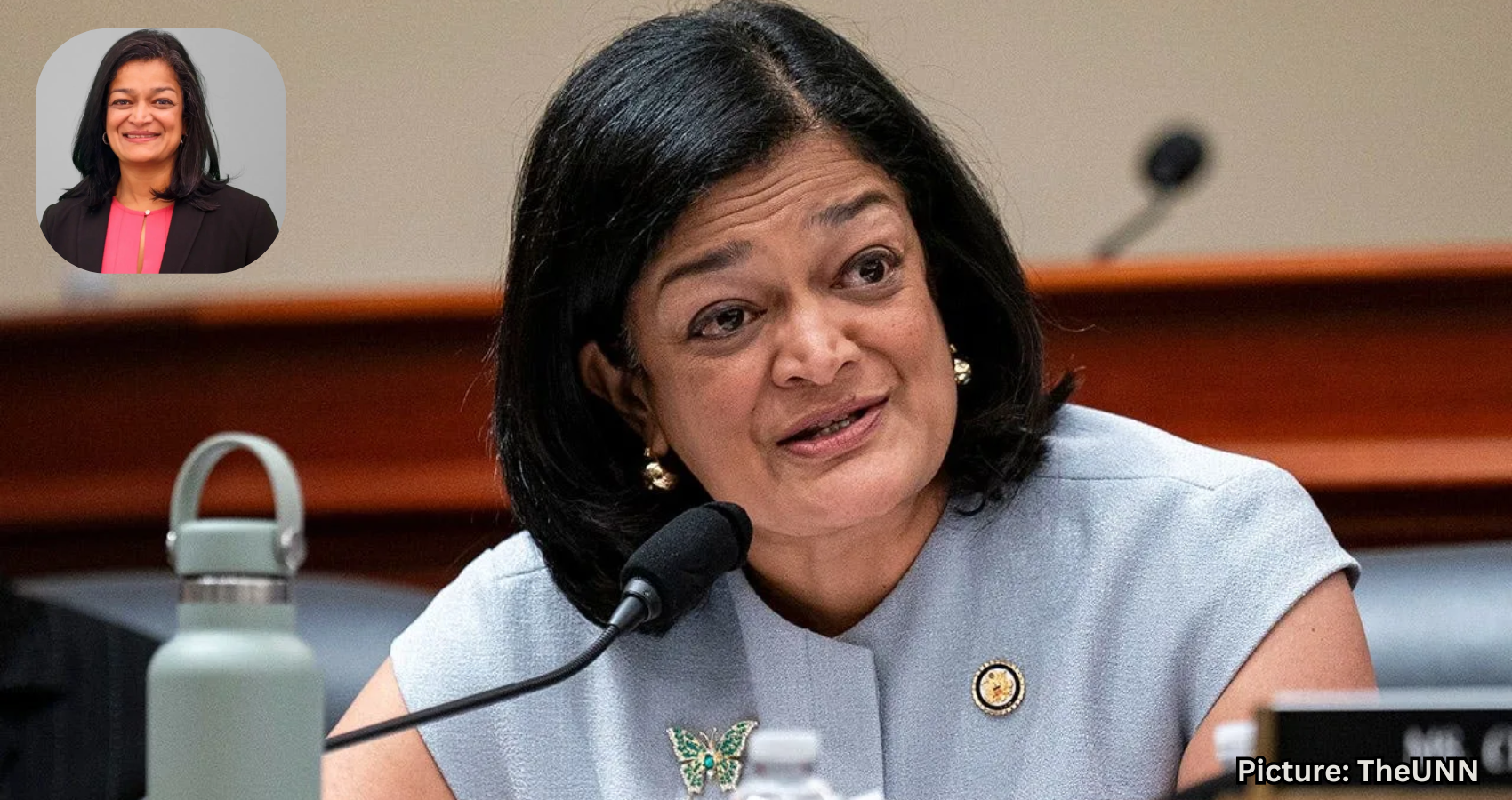
Congresswoman Pramila Jayapal and Congressman Jonathan L. Jackson call for a reset in U.S.-Cuba relations after witnessing dire humanitarian conditions during their recent visit to the island nation.
WASHINGTON, DC — Congresswoman Pramila Jayapal and Congressman Jonathan L. Jackson expressed their shock at the humanitarian conditions they encountered during a five-day visit to Cuba in April. In a recent opinion piece published in the New York Times, the lawmakers argued that escalating U.S. sanctions and fuel restrictions have exacerbated suffering across the island nation.
Both members of the House Foreign Affairs Committee, Jayapal and Jackson described their visit to the Eusebio Hernández Pérez maternity hospital in Havana, where they observed medical staff grappling with repeated blackouts, malfunctioning equipment, and severe fuel shortages.
The lawmakers reported that nationwide power outages have compromised critical medical equipment, while U.S. sanctions have made it increasingly difficult to obtain replacement parts. They noted that doctors have been forced to manually operate ventilators during blackouts to keep newborns alive, highlighting the dire situation facing healthcare providers in Cuba.
Jayapal and Jackson criticized recent sanctions imposed by former President Donald Trump and Secretary of State Marco Rubio, labeling current U.S. policy toward Cuba as outdated and rooted in Cold War-era strategies. They contended that these tightened sanctions have intensified Cuba’s economic and humanitarian crisis.
The lawmakers pointed out that fuel deliveries to Cuba have been largely obstructed for months, as foreign shipping companies fear U.S. enforcement actions against oil tankers. This blockade has had a cascading effect on nearly every aspect of daily life in Cuba, impacting transportation, healthcare, agriculture, and access to clean water.
In their essay, Jayapal emphasized that many Cubans they met, including dissidents, religious leaders, entrepreneurs, and families of political prisoners, expressed opposition to both the U.S. blockade and any potential military intervention in Cuba. This sentiment reflects a growing desire among Cubans for a change in U.S. policy.
Furthermore, the lawmakers called for a comprehensive reassessment of U.S.-Cuba relations, arguing that normalized ties could foster economic opportunities for both nations. They highlighted agriculture, tourism, and medical research as potential areas for cooperation that could benefit both Americans and Cubans alike.
While advocating for improved relations, Jayapal and Jackson also acknowledged concerns regarding political freedoms in Cuba. They raised issues such as arbitrary detention and the treatment of political prisoners during a meeting with Cuban President Miguel Díaz-Canel. The essay noted recent actions by the Cuban government, including the announced release of over 2,000 prisoners and cooperation with an FBI investigation into a maritime shooting involving Cuban Americans.
In conclusion, Jayapal and Jackson urged for direct negotiations between the United States and Cuba based on mutual respect, asserting that improved relations could provide hope for future generations of Cubans. Their visit and subsequent reflections underscore the urgent need for a reevaluation of U.S. policies that have long shaped the relationship between the two nations.
According to Source Name.